Posted by Hogan Accounts in Uncategorized on December 24th, 2025
Australian work sites throw challenges at excavator attachments that most imported gear was never designed to handle, from the sticky, saturated clays of the wet tropics to the punishing abrasion of coastal sand and the brutal impact resistance required in hard rock country.
This guide is designed to support contractors choosing excavator attachments for Australian conditions, helping them select the right materials and design features for the environments where they’ll actually work. Getting the specification right means your attachments pay for themselves through years of reliable service, while getting it wrong means replacing worn-out equipment while your mates are still running the gear they bought at the same time.
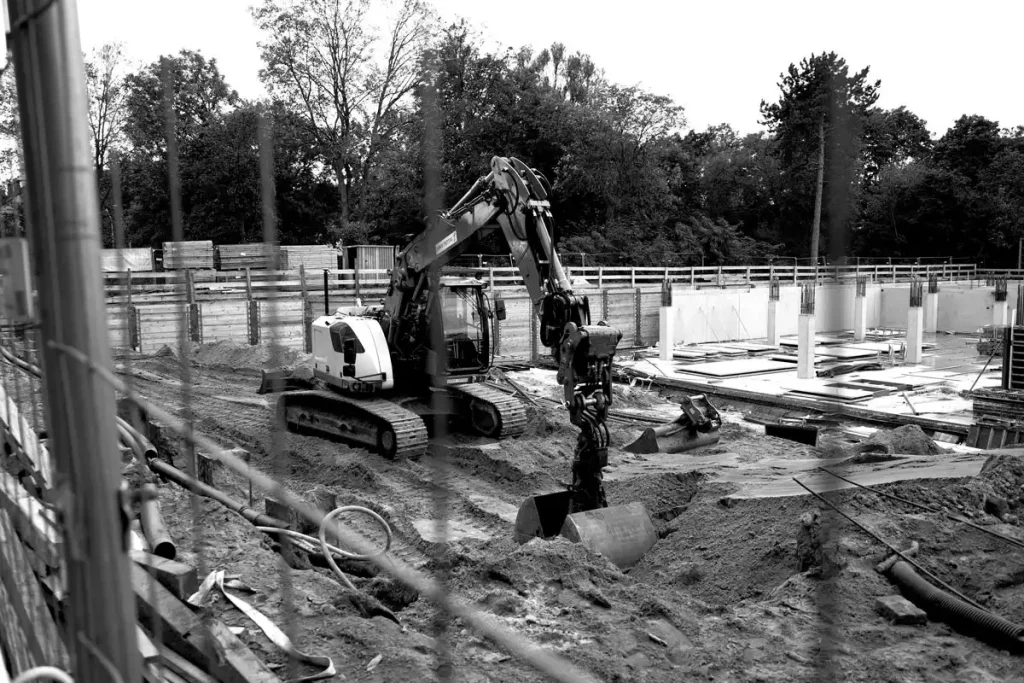
Working in Australian conditions means excavator attachments are exposed to excessive wear from abrasive soils, constant moisture, salt corrosion and heavy impact loads, often attacking multiple components at once. An attachment correctly specified for European topsoil might last five years overseas, yet fail in as little as eighteen months when pushed into Brisbane clay or Pilbara rock. The difference is not operator error or bad luck, but a fundamental mismatch between what the attachment was designed to withstand and what Australian conditions actually deliver.
Choosing the right steel grade makes the difference between cutting edges that last two years versus six months in the same application, while proper wear component selection determines whether you’re swapping bolt-on edges as planned maintenance or paying for structural welding because the bucket floor wore through. Australian-made attachments consistently outperform imports because manufacturers design for the environment from the engineering phase, understanding that Queensland clay sticks harder than European soil, that Pilbara iron ore grinds away steel faster than most overseas rock, and that coastal salt corrodes pins at rates inland operators wouldn’t believe.
The initial cost difference between a budget import and a properly specified Australian-made attachment typically runs on 20 to 30% while the service life difference in demanding conditions often exceeds 200 to 300%. This makes the calculation straightforward when you factor in replacement expenses, repair downtime, and productivity losses from poorly performing equipment.
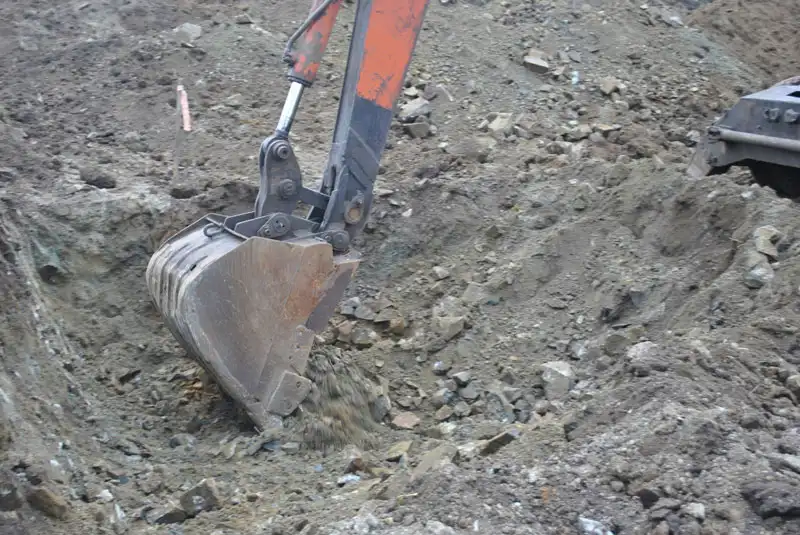
Several factors combine to determine how well an excavator attachment performs and how long it lasts in Australian conditions, and understanding these variables helps contractors make informed decisions about specifications rather than guessing based on purchase price or equipment manufacturers’ claims.
Soil characteristics drive attachment wear patterns more than any other factor with abrasive soils containing high silica content acting like sandpaper on bucket floors and cutting edges while wet, sticky clays demand smooth bucket profiles and proper drainage to prevent material buildup. Compacted ground needs aggressive tooth systems backed by adequate machine breakout force, and rocky conditions demand impact-resistant steel with heavy reinforcement at stress points where poorly designed buckets crack and fail when working with hard materials.
Your excavator’s tonnage and breakout force determine the structural requirements for any attachment, with a 20-tonne machine generating forces that would destroy equipment designed for 5-tonne excavators. Matching attachment construction to machine capability ensures the bucket, grab, or ripper can handle the loads without premature failure, because undersized attachments wear faster while creating safety risks and oversized attachments waste fuel moving unnecessary weight around the site.
Attachments used for continuous production digging require heavier construction than those used occasionally, with a contractor running two shifts daily in a quarry needing different steel grades and reinforcement compared to someone using the same machine size a few hours weekly for landscaping projects. Higher operational intensity justifies investment in premium materials that extend service life under demanding use, while lower intensity operations might not generate enough savings to offset the premium cost.
The base steel grade determines an attachment’s resistance to abrasion, impact, and deformation through specifications including BIS400 and BIS450 Bisalloy grades, where the number indicates approximate Brinell hardness, with BIS400 offering good wear resistance for general applications and BIS450 providing higher hardness for more abrasive conditions.
Hardox is a Swedish wear-resistant steel brand with similar rating systems where Hardox 400, 450, and 500 indicate increasing hardness suited to progressively more severe abrasion, while high-tensile structural steels provide strength without maximum hardness for areas requiring impact resistance more than abrasion resistance.
At Hogan Engineering, we manufacture attachments using high-grade Bisalloy steel selected specifically for Australian conditions, though steel thickness matters as much as grade because a 6mm floor in high-wear steel might outlast a 10mm floor in soft steel, but combining proper grade with adequate thickness delivers the service life abrasive applications demand.
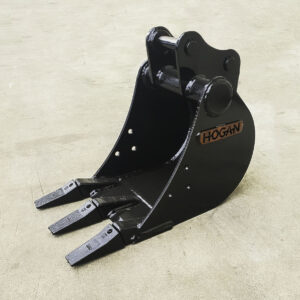
Cutting edges form the leading edge that takes primary wear from ground contact, while side cutters protect bucket walls from abrasion during digging and dumping, and teeth systems penetrate consolidated material through configurations like chisel teeth for hard ground or tiger teeth for aggressive digging in softer materials. Wear straps run along high-contact areas providing sacrificial protection, with all these essential components designed to wear out and be replaced before damage reaches the bucket’s structural steel.
We manufacture chisel tooth, tiger tooth, service blades, and bolt-on edges, along with mounting hardware, including adaptors, pin collars, roll pins, and pivot pins required for proper installation and reliable operation.
Strategic reinforcement in high-stress areas prevents cracking that leads to expensive failures. Heel blocks reinforce the back of the bucket, where digging force concentrates, and gussets distribute stress across wider areas, rather than allowing loads to concentrate at single points. Proper gusset placement at mounting points and along bucket sides prevents stress cracks that propagate into structural failures, while double-skinning places a second steel layer over critical wear areas like bucket floors, where the top skin wears away first and provides a visible warning before the structural base layer is compromised.
Tilt buckets, grabs, and other hydraulically actuated attachments require adequate flow and pressure from the excavator’s auxiliary circuit, as insufficient flow can cause slow operation and potentially damage both the attachment’s hydraulic system and the excavator’s hydraulic system through operation beyond design parameters.
Queensland’s wet season, the Northern Territory’s humidity, and northern New South Wales’ coastal regions create challenges that European and North American attachments weren’t designed to handle, with high moisture content in soils combining with elevated humidity and frequent rainfall to accelerate corrosion, complicate material handling, and demand specific attachment features for productive operation.
Sticky clay soils in wet conditions cling to bucket surfaces like they’re welded on, reducing effective capacity by 20 to 30% while forcing you to spend half your time cleaning instead of moving material. The dead weight from packed clay also burns extra fuel and slows cycle times.
Moisture works its way into welds and spreads to structural components faster than operators accustomed to dry country would believe possible, while heavy rain reduces visibility and slippery footing around machines turns routine attachment changes into dangerous work.

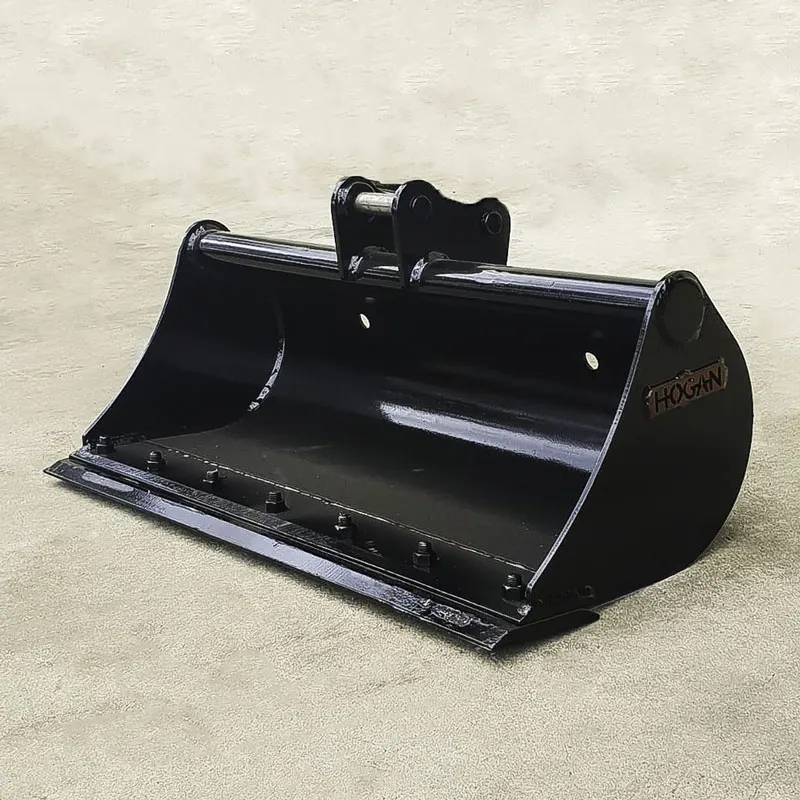
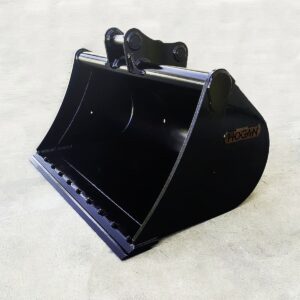
Mud buckets are built specifically for these conditions with wider profiles and shallower depth that maximise capacity for saturated soils, while smooth internal surfaces give clay fewer places to stick, and tilt buckets let you angle the bucket face to shake off clinging material, while making grading work possible even when visibility and traction aren’t ideal. Wide GP buckets with smooth edges handle general wet-weather excavation when clay isn’t completely saturated, though some operators run grading buckets with drainage holes to reduce suction despite sacrificing capacity for improved release. Selecting appropriate attachments for wet tropical conditions makes the difference between productive work and constant frustration with material buildup.
High-grade Bisalloy steel offers superior structural strength while resisting corrosion more effectively than mild steel. However, nothing’s entirely immune to rust in tropical wet conditions, where better steel mainly buys you time, and BIS400-grade offers a good balance for most wet-weather work.
Steel grade alone won’t save you, though. Proper drainage design, regular cleaning, and staying ahead of corrosion before it becomes structural damage matter just as much as what the bucket’s made from. With that said, hot-dipped galvanised components do offer improved longevity on non-wearing surfaces where you can’t galvanise cutting edges that abrade away, regardless.
Reinforced bucket edges provide durability, but tooth design matters more in sticky conditions than most operators realise because aggressive patterns with deep pockets just give clay somewhere to pack tighter, while simpler profiles work better when adhesion is your main problem.
Bolt-on cutting edges let you swap worn edges in the field without welding, which matters when you’re trying to minimise the time your bucket structure spends exposed to moisture during repairs, and internal wear liners protect structural steel while creating smooth surfaces that reduce buildup. Drainage holes are a great way to reduce suction, though you will have to accept slightly reduced bucket capacity and the loss of some fines through the holes.
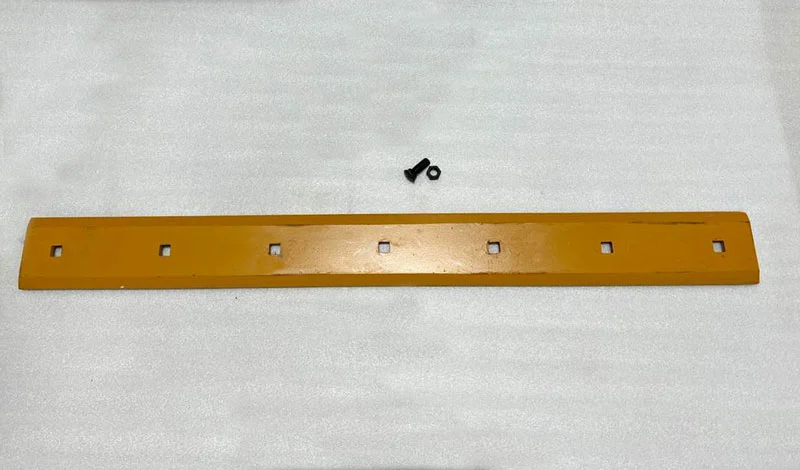
Slow, consistent passes work better than aggressive loading in sticky clay because fast digging compacts the material tighter, and wider buckets help by spreading the volume across a wider area, making material dumping easier. Clean buckets throughout the shift rather than waiting until the end of the shift, because clay that sits and dries becomes progressively harder to remove, adding dead weight that kills productivity. Additionally, grease pins and pivot points should be cleaned more frequently than in dry conditions, as moisture washes lubricant out quickly. Store attachments under cover during idle time whenever practical, as even reducing nighttime and weekend moisture exposure can significantly slow rust progression.

Western Australia’s mining operations, South Australia’s quarrying operations, and Victoria’s high country deliver some of the most punishing conditions excavator attachments face anywhere, combining severe impact loads with constant abrasion in an environment that destroys poorly specified equipment in months rather than years.
Impact forces from rock loading stress every component from cutting edges through mounting points and into the boom structure, with each bucket load of granite or basalt delivering shock loads that crack welds on poorly designed buckets and elongate pin holes on undersized attachments. Constant abrasion grinds away bucket floors, edges, and side plates at rates higher than soil applications, depending on rock hardness.
Meanwhile, equipment in quarries and mine sites runs longer shifts with fewer breaks than general earthmoving, and multiplies stress on every component.
Rock buckets feature heavy construction with reinforced floors, thick side walls, and aggressive tooth systems designed for penetration in consolidated material using narrower and deeper profiles than GP buckets to concentrate breakout force, while heavy-duty GP buckets with upgraded steel handle mixed conditions where you’re hitting rock but also moving softer overburden.
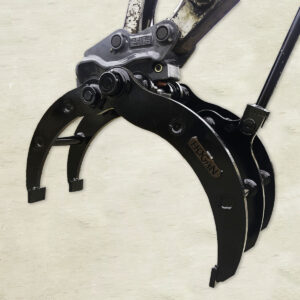
Rippers break up consolidated rock before bucket loading with the fuel and time cost paying back through dramatically reduced bucket wear and faster loading cycles, and grabs allow selective handling of blasted rock while reducing bucket wear by eliminating the digging component entirely.
Reinforced sieve buckets separate rock from fines, though rock screening demands much heavier construction than soil screening, since the mesh takes serious abuse from rock sliding across it constantly. These specialised tasks in quarrying and mining require equally specialised attachments built specifically for the conditions they’ll face.
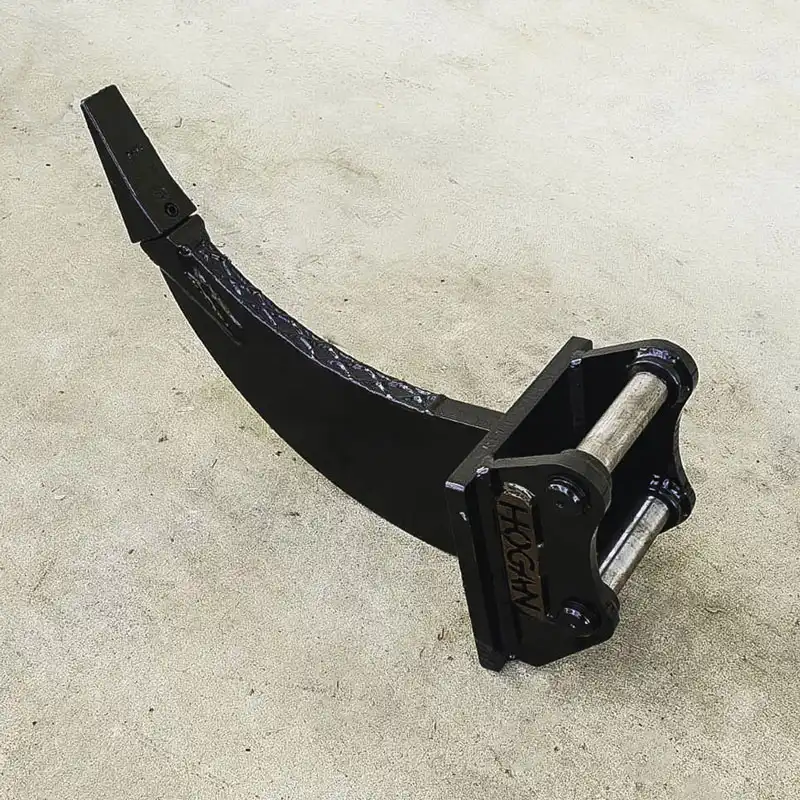
High-grade Bisalloy steel in the upper hardness range provides wear resistance for constant abrasion from hard rock, with BIS450 to BIS500 grades or equivalent Hardox 450 to 500 specifications offering the hardness needed to survive granite and basalt work. Higher hardness ratings deliver better abrasion resistance, though very hard steels become more brittle and less tolerant of impact, making rock applications a balancing act between abrasion and impact resistance.
Cutting edges need thick enough sections to allow multiple sharpenings, with 40 to 50mm thickness on larger buckets being normal rather than excessive. Hardened pins and bushings at mounting points resist the impact loads and constant articulation that rock work delivers, since standard hardware wears rapidly and creates excessive play that accelerates structural wear.
Double-skin bucket floors place a sacrificial wear layer over the structural base so the top skin wears through before the structural floor is compromised, and provide a warning while preventing sudden failures. Heavy side wear plates made from resistant materials protect bucket walls from abrasive side loading during rock digging and dumping. Heel blocks reinforce the back where maximum stress concentrates during digging and make this reinforcement essential rather than optional in rock work that generates higher forces than soil, while strategic gusset placement distributes stress loads, and proper design prevents stress cracks at welds and mounting holes.
Corner shrouds protect vulnerable areas where bucket floors and walls meet under concentrated stress, and high-strength tooth systems need substantial backing and mounting strength to survive impact loads when breaking hard materials, whether you’re running chisel teeth for penetration or tiger teeth for aggressive digging, with wing shrouds providing additional side protection in severe applications.
Use rippers to break consolidated material before bucket loading because the productivity gain and bucket wear reduction justifies the extra pass, while attempting to dig unripped rock destroys cutting edges rapidly, and keep teeth sharp through regular inspection since blunt teeth force you to use more breakout force while increasing fuel consumption and reducing operational efficiency.
Inspect welds and wear plates frequently in rock applications, as small cracks can propagate quickly under repeated impact loading. Catching them early prevents catastrophic failures. Finally, avoid overloading buckets with oversized rocks because these extreme loads stress mounting points and machine structure beyond design limits.

Australia’s coastlines and interior desert regions share sand as their common enemy, with beach sand, dune material, and desert fines causing severe abrasion that wears through bucket components quickly.
Sand is highly abrasive and wears through bucket lips, floors, and side plates faster than most materials. Meanwhile, fine particles infiltrate pins and bushings past seals, entering bearing surfaces where they accelerate wear and increase friction. Coastal operations introduce salt that attacks steel surfaces and accelerates corrosion on anything it touches. Poor traction in loose sand reduces digging efficiency while causing bogging in beach or dune work. The fine particle size of the sand allows it to reach areas that clay and rock cannot, creating maintenance problems throughout the attachment.
GP buckets with abrasion-resistant edges and floors handle general sand work, though you’ll want wider profiles than standard to account for sand’s low density. Sand buckets feature wide, smooth designs with high volume for handling materials efficiently across various sandy applications, making them versatile attachments for material handling tasks in coastal and desert environments. Skeleton buckets with mesh allow for screening while reducing weight for high-cycle work. In pure sand applications, lighter construction improves cycle times, as digging effort is minimal but volume is high.
High-grade Bisalloy steel on cutting edges and high-wear areas provides the abrasion resistance you need, with BIS400 to BIS450 grades offering a good balance between hardness and toughness for sand applications where wear is primarily abrasion rather than impact.
For coastal work, corrosion protection is just as important as abrasion resistance, as salt accelerates corrosion more than any other factor. Regularly washing protective coatings prevents the accumulation that can cause severe damage.
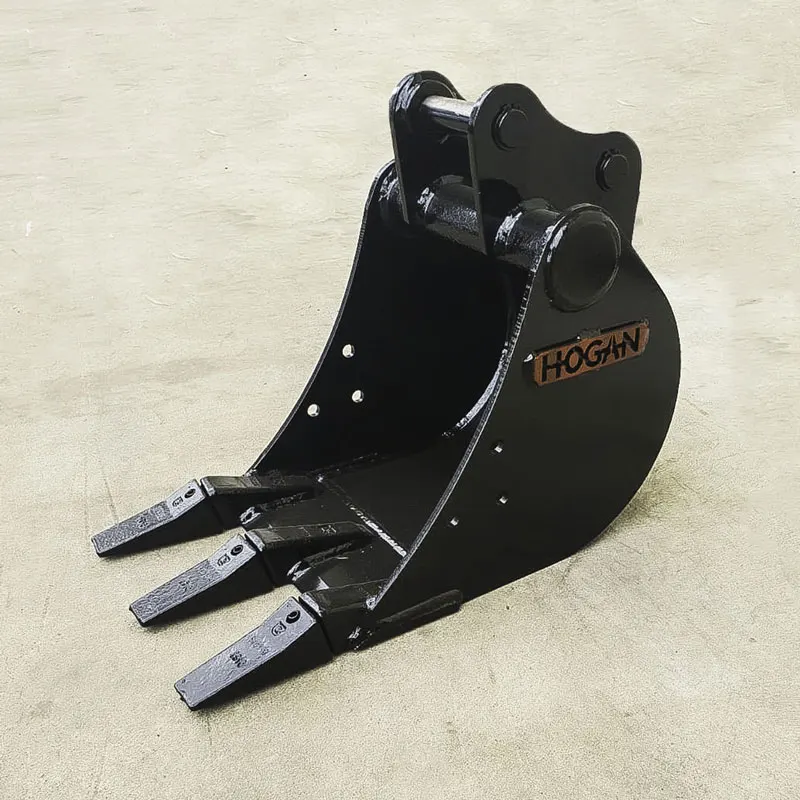
Bolt-on cutting edges allow quick field replacement since edges wear noticeably in days in severe sand applications, and extra wear strips on floors provide sacrificial protection where floor wear can be extreme. Corrosion-resistant pins, bushings, and fittings prevent salt damage that seizes components, with stainless or coated hardware resisting salt far better than standard steel, and anti-sand sealing reduces infiltration at hinge points, though no seal stops fine sand completely.
Lift cleanly rather than dragging the bucket, as scraping accelerates edge wear without improving fill. Inspect edges daily, as wear progresses rapidly and a worn edge significantly reduces efficiency while increasing fuel consumption. Store away from salt spray whenever possible, as even overnight exposure can accelerate corrosion. Additionally, covered storage can dramatically extend equipment life. Pressure wash regularly to remove sand from crevices and buildup around pins since washing removes both sand and salt before they cause expensive damage.
If you’re unsure what attachment to use and where, this table offers a simple visual guide.
| Environment | Recommended Steel | Best Attachments | Must-Have Reinforcements | Common Fail Points |
| Wet Tropics | 400-grade treated | Mud, tilt, grading | Drainage, smooth edges | Clogging, corrosion |
| Hard Rock | Hardox 450–500 | Rock bucket, ripper | Double-skin, shrouds | Teeth, cutting edges |
| Sandy/Coastal | AR400–450 | Sand/GP bucket | Wear strips, bolt-on edges | Lip wear, corrosion |
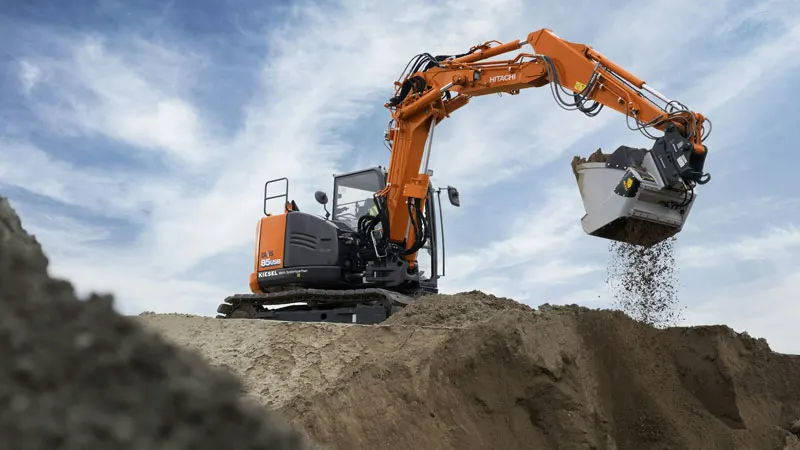
Your excavator’s breakout force and tonnage define which attachment you can run, so check your excavator model specifications and match your attachment size accordingly. Undersized gear wears out rapidly when operating beyond its design limits, while oversized gear wastes fuel moving unnecessary weight.
The width of your attachment must match your machine’s stability and lifting capacity, since too wide creates tipping risks and reduces digging depth. Consider material density when selecting attachments for capacity, as sand or wood chips require wider buckets despite a lower digging force, while clay or rock necessitate narrower profiles that concentrate breakout force.
Whether you’re digging trenches, loading trucks, or screening material, matching attachment specifications to your application ensures maximum efficiency throughout the job.
Tilt buckets, grabs, and hydraulically actuated excavator attachments require adequate auxiliary flow through the hydraulic circuit. Therefore, check your excavator’s specifications and match the flow requirements with a safety margin, as insufficient hydraulic power can cause slow operation and damage both the attachment and excavator hydraulics. Heavy-duty features and premium steel cost more upfront but pay back through extended life when you calculate your actual operational efficiency, with continuous shifts in hard conditions justifying heavy construction that pays back within a year, while occasional use in mild conditions might not justify the premium.
Australian manufacturers work closely with excavator operators to understand local conditions, and know how Brisbane clay fails buckets, how Pilbara rock destroys edges, and how coastal salt corrodes pins. This knowledge informs steel selection, reinforcement placement, and features that work in Australian conditions, rather than generic specifications adapted from overseas.
Australian-made attachments perform better because design decisions target local conditions from the start. Manufacturers designing for global markets optimise for average conditions worldwide, whereas we design for abrasive Western sand, sticky Queensland clay, and hard mining rock by carefully selecting the right steel grade, reinforcement, and edge configurations for those conditions.
When you need replacement or custom work, Australian manufacturing means weeks, not months, for delivery with local service and parts availability that matters when you’re on tight schedules. Import suppliers work from standard catalogues with limited options, while Australian manufacturers can modify specifications, adjust dimensions, and incorporate features that solve your specific tasks. That flexibility makes the difference between equipment that almost fits your needs and equipment built exactly for what you’re doing.
The numbers tell the story clearly. Budget imports might save 20 to 30% upfront, but Australian-made attachments routinely deliver two to three times the service life in demanding conditions, making them cheaper over the equipment’s working life when you account for replacement costs and the downtime that comes with premature failures. For a detailed analysis of why local manufacturing wins long-term, read why Aussie attachments come out on top.
Choose attachments based on working environment, not just machine tonnage, because the right steel grade, edge design, and reinforcement differ fundamentally between wet tropics, hard rock, and coastal sand, and understanding these differences saves money over equipment life. The cheapest attachment rarely provides the best value once you account for replacement costs, downtime, and productivity losses, while proper specifications and quality construction pay back through years of service rather than months, followed by expensive replacement.
At Hogan Engineering, we’ve been manufacturing excavator attachments for Australian conditions since 1947 and understand wet tropics clay, hard rock mining, and coastal sand because we’ve built equipment that works in all of them. With high-quality attachments and excavator buckets for all applications, if you’re wondering what the right attachment is for your next job, contact us to speak with the team. They’ll be happy to make recommendations based on your environment, machine, and project requirements, and can discuss whether custom attachments are needed for your project.
Posted by Hogan Accounts in Uncategorized on November 27th, 2025
If you’ve spent any time operating excavators, you know that switching between excavator attachments the old way (hammering pins in and out) is time-consuming, physically demanding, and frankly, a pain. Quick hitches have changed the game by making attachment changes faster and safer, but not all hitches work the same way. Understanding the differences between pull pin and manual hitch systems can help you choose the right setup for your machine and workflow.
At Hogan Engineering, we manufacture both pull-pin and manual hitches designe d specifically for Australian conditions and operators. Whether you’re running a 1.5-tonne mini excavator or a 6.5-tonne machine, choosing the right hitch type affects your productivity, safety, and how smoothly your day runs on site.
Let’s break down what separates these two hitch types and when each one makes the most sense for your operation.
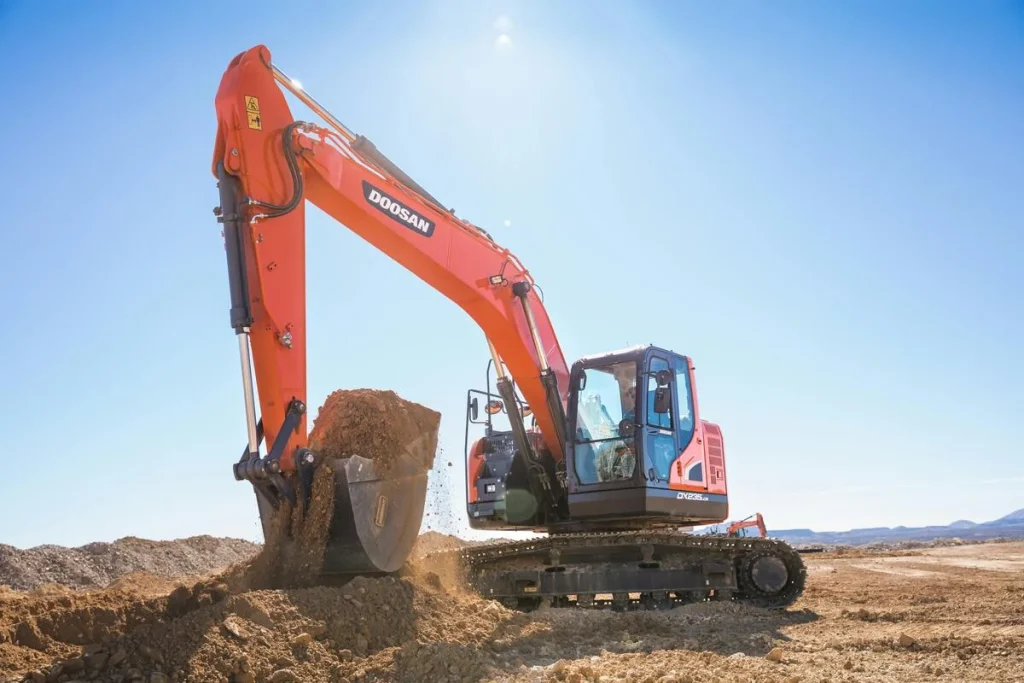
The right excavator hitch does more than just hold your bucket in place. It’s the critical connection point that determines how quickly you can adapt to different tasks, how safely your attachments stay secured during operation, and ultimately, how much productive work you can get done in a day.
When you’re switching between a digging bucket, a grading bucket, and a grab multiple times throughout a shift, every minute spent changing attachments adds up. Traditional pin-on systems can take 15 to 30 minutes per change when you factor in accessing the pins, lining everything up, and securing the attachment properly. That’s time your machine isn’t working, and on a busy site, that downtime translates directly into lost productivity and revenue.
Quick hitches (whether pull pin or manual) reduce attachment change time to just a few minutes while improving safety by eliminating the need to hammer pins in and out. But the efficiency gains only materialise when you’re using the right hitch type for your specific operation. A hitch that doesn’t match your workflow or machine specifications can create its own problems, from compatibility issues to safety concerns.
Our range of excavator hitches is designed with Australian operators in mind, offering both pull pin and manual options across tonnage ranges from 1.5 to 6.5 tonnes, plus specialised backhoe hitches. Each hitch is CNC-machined to ensure precise pin centre alignment, which is critical for safe, reliable attachment connection.
Before diving into the specific types, it’s worth understanding what quick hitches actually do and why they’ve become standard equipment on many excavators.
A quick hitch, also called a quick coupler, is a mechanical device that mounts to your excavator’s dipper arm and allows you to connect and disconnect buckets and other attachments without manually driving pins in and out with a hammer. The hitch sits on the end of your machine’s arm and uses a locking mechanism to grab onto the pins on your attachments, creating a secure connection that’s faster and safer than traditional methods.
Operators use quick hitches because they dramatically reduce the physical labour and time involved in attachment changes. Instead of climbing out of the cab multiple times, accessing pins that are often stuck or corroded, and hammering them into alignment, you’re working with a purpose-built system designed for quick, repeatable attachment swaps.
The two most common types of quick hitches for smaller excavators are pull-pin hitches and manual hitches. Both require the operator to exit the cab (unlike fully hydraulic quick hitch systems), but they offer different mechanisms for securing attachments and suit different operational needs. There are many different types of quick hitches available on the market, but pull pin and manual hitches represent the most practical options for operators who want reliable performance without the complexity of hydraulic systems.
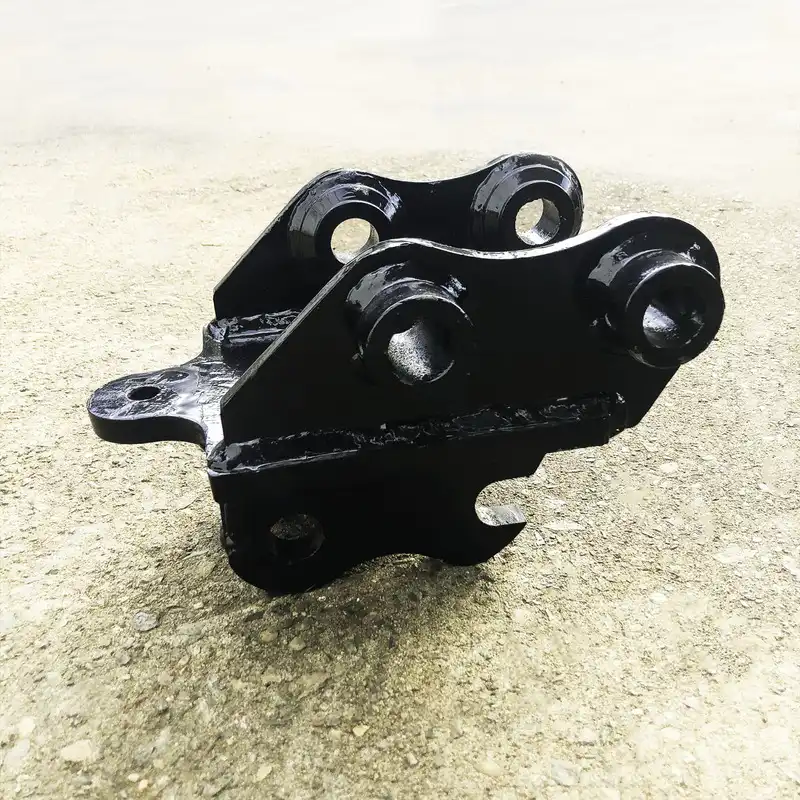
A pull-pin hitch utilises a spring-loaded latch system, combined with a master pin, to secure attachments. The hitch mounts permanently to your excavator’s dipper arm. When you need to pick up an attachment, you drive the excavator so the hitch approaches the attachment sitting on the ground. As you position the hitch over the attachment’s pins, the spring-loaded latch engages and clamps around them, creating the initial connection.
To secure it, exit the cab and insert a master pin through the hitch. This pin prevents the latch from accidentally opening during operation. The master pin provides a clear, visual confirmation that the attachment is secured. If the pin won’t insert, you know immediately that the latch isn’t fully closed and the attachment isn’t safe to use.
To release an attachment, you remove the master pin and use a lever bar to open the spring-loaded latch. The lever compresses the spring, allowing the latch to open and release the attachment’s rear pin. You then curl the excavator arm away to disengage the front hook from the front pin.
The key advantage of pull pin hitches is their speed and ease of use. The spring mechanism assists with engaging and releasing the latch. Once the attachment is positioned correctly, the latch naturally closes around it with minimal effort. For operators who need to change attachments several times throughout a shift, this speed advantage adds up significantly.
Pull pin hitches are known for their reliability. The spring mechanism is relatively simple, with fewer moving parts than some other systems, which means less that can go wrong. These hitches work particularly well in operations where attachment changes are frequent but not constant. If you’re switching between a digging bucket, a grading bucket, and a grab a few times a day, the pull pin system gives you quick changes without the complexity or cost of hydraulic systems.
We manufacture pull-pin hitches for a range of machine sizes, including a 1.5-tonne range pull-pin hitch, a 2.5-tonne range pull-pin hitch, a 3.5-tonne range pull-pin hitch, and a backhoe range pull-pin hitch. Each is built with strong, durable construction designed to withstand normal working conditions while maintaining the precise tolerances needed for safe attachment connection.
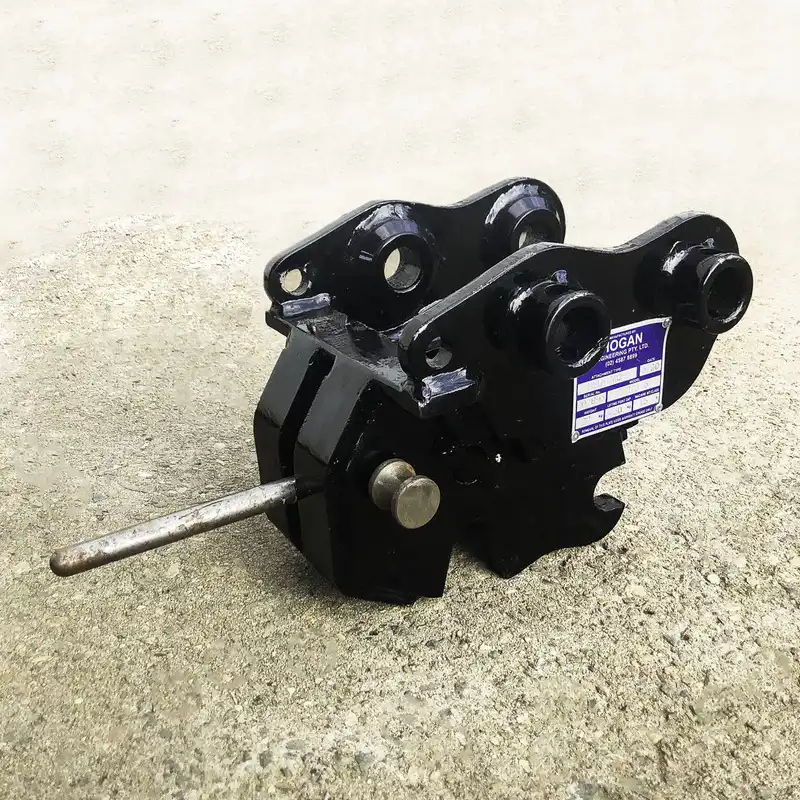
Manual hitches work on a similar principle to pull pin hitches but use different locking mechanisms. Like pull pin hitches, they mount to your excavator’s dipper arm and require you to drive the machine to position the hitch over the attachment on the ground. However, manual coupler systems may use different mechanisms to engage and secure the latch, such as screw threads or alternative mechanical lever arrangements that rely on manual operation.
The latch engages with the attachment’s pins, and you then secure it with a safety pin to prevent accidental release. The exact operation varies depending on the specific manual hitch design, but all require the operator to exit the cab to complete the securing process, eliminating the need for manual labour with hammers and driving pins.
The primary benefit of manual hitches is their straightforward, robust design. Manual hitches offer a proven, durable solution that many operators trust for long-term reliability. The mechanical locking systems are designed to be inspected visually, so you can verify that everything is properly secured before starting work.
Manual hitches shine in applications where the attachment change process follows a regular, predictable pattern. If you’re typically using the same attachment for extended periods, then switching to another attachment for a different phase of work, the connection process isn’t a disadvantage. The durability and simplicity of the system become the priority.
These hitches are also excellent choices for operations where multiple operators use the same machine. The straightforward operation means training new operators is simpler, and the visual inspection of the locking mechanism makes it easy for supervisors to verify that attachments are secured correctly.
Our manual hitch range is more extensive than our pull pin offerings, covering machines from 1.5 tonnes right through to 6.5 tonnes. This wider range reflects the versatility of manual hitch systems across different machine sizes and applications. Each manual hitch is fitted with a safety pin and manufactured to suit your specific machine specifications.
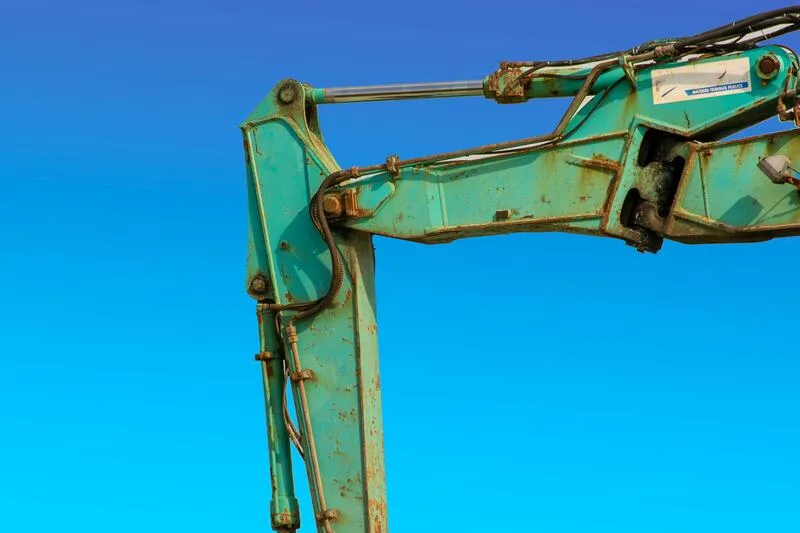
Regardless of which hitch type you choose, understanding the critical specifications is essential for safe operation. The three key measurements that determine hitch compatibility are pin centres, pin diameter, and spacing.
Pin centres refer to the distance between the centres of the two mounting points on your excavator’s dipper arm. This measurement must match exactly between your machine, your hitch, and your attachments. Even a few millimetres difference can prevent proper connection or create dangerous stress points during operation.
Pin diameter is the thickness of the pins themselves, measured in millimetres. Your hitch must accommodate the pin diameter used by your attachments. Different manufacturers use different sizes, which is why precise measurements are critical. Using pins that are too small allows excessive movement and wear, while pins that are too large simply won’t fit.
Spacing, sometimes called ear width, is the distance between the mounting ears at their narrowest point. This determines whether an attachment will physically fit into the hitch opening. Getting this wrong means attachments that should theoretically work with your machine won’t actually connect. If you’re unsure about how to measure excavator pins or any of the terminology related to them, be sure to read our guide, Excavator Bucket Pins Explained.
We use CNC machining to manufacture pin centres with precise tolerances, ensuring perfect positioning every time. This precision is critical because misaligned pin centres can prevent hitches from engaging properly or create uneven load distribution that accelerates wear and increases the risk of failure.
Safety requirements for quick hitches are stringent, and for good reason. The locking mechanism must secure the attachment reliably under all operating conditions, from light grading work to heavy digging. Both pull pin and manual hitches incorporate safety pins or master pins that serve as secondary locking mechanisms. If the primary latch or mechanism fails, the pin prevents the attachment from detaching.
Maintenance needs for hitches are relatively straightforward but critical. Regular inspection should include checking for wear on pins, examining the latch mechanism for damage or deformation, and ensuring that safety pins move freely and aren’t corroded. Lubrication points should be greased according to manufacturer specifications, and any worn components should be replaced immediately rather than run until failure.
The most important safety practice is visual verification before use. Never assume a hitch is properly engaged. Always perform a visual check that the locking mechanism is fully closed and the safety pin is properly inserted. Many accidents occur because operators skip this simple verification step.
We manufacture excavator hitches designed specifically for Australian conditions and built to match the exact specifications of your machine. Our range covers the most common excavator sizes operating on Australian sites, with both pull-pin and manual options available. Whether you need to install a hitch on a compact mini excavator or a larger machine, we have options to suit various attachments and working conditions.
Our pull pin hitch range uses spring-loaded latch systems combined with master pins for fast, reliable attachment changes. Available across smaller to mid-size machines, these hitches are designed for operators who value speed and simplicity in their workflow.
Our manual hitch range offers proven durability and straightforward operation across the widest range of machine sizes. From compact mini excavators to larger earthmoving equipment, these hitches are built to deliver reliable performance in demanding Australian conditions.
All our hitches share several key features that set them apart from imported alternatives. We use strong, durable construction designed to withstand the demanding conditions of Australian worksites. Our CNC-machined pin centres ensure perfect positioning and alignment, which is critical for safe operation and minimising wear on both the hitch and your attachments.
Perhaps most importantly, we maintain a large library of machine data that allows us to mix and match pickups to suit your specific needs. This means if you’re running older machines, multiple brands, or have unique requirements, we can manufacture hitches that work with your exact specifications and accommodate the specific pin sizes and pin hole configurations required, rather than forcing you into generic solutions that might not fit properly. We also manufacture hitch pin components to exact tolerances for reliable, safe operation.
The decision between a pull-pin hitch and a manual hitch largely comes down to your machine size and how often you’re changing attachments.
Start here: if you’re operating a machine larger than 3.5 tonnes, your choice is straightforward. Our manual hitch range extends up to 6.5 tonnes, making it the go-to option for mid-size to larger excavators. Pull pin hitches are designed for smaller machines (up to 3.5 tonnes) and backhoe applications, where their lighter weight and compact design work best.
For machines in the 1.5 to 3.5 tonne range where both options are available, consider your daily workflow. If you’re changing attachments five or more times per shift, the pull pin system’s spring-assisted latch and quick master pin operation will save you measurable time throughout the day. Those minutes add up fast when you’re switching between digging, grading, and grabbing multiple times daily.
If you’re typically running the same attachment for days at a time, or only switching once or twice per shift, either hitch type will serve you well. In these situations, the manual hitch’s proven durability and straightforward visual inspection might be the better choice.
Some operators prefer manual systems in dirty or muddy conditions where they want the tactile feedback of physically verifying every connection. Others prioritise the efficiency of pull pin systems when working on tight schedules where every minute counts. Think about your typical job sites and what matters most to your operation.
If you’re running multiple machines with different operators, choosing one hitch type across your fleet simplifies training and reduces the chance of operator error. This often outweighs any minor operational differences between the two systems.
Both hitch types are competitively priced, but consider the productivity gains over time. A hitch that saves even a few minutes per attachment change, multiplied by several changes per day over hundreds of working days, represents real cost savings that quickly offset the initial investment. For high-frequency users, the pull pin system’s time advantage becomes a measurable ROI. For operators who rarely change attachments, the durable simplicity of manual systems might offer better long-term value.
The fundamental difference between pull-pin and manual hitches comes down to the locking mechanism and operation speed. Pull-pin hitches utilise spring-loaded latches with master pins for quick and straightforward attachment changes. Manual hitches use alternative mechanical systems that may be slightly more involved but offer proven durability and straightforward operation.
Both hitch types require operators to exit the cab, making them distinct from hydraulic systems but significantly faster and safer than traditional pin-on attachments. Both types, when properly maintained and operated, provide a secure, reliable attachment connection that meets Australian safety standards.
Neither type is inherently better. The right choice depends on your specific operation, machine size, attachment change frequency, and operator preferences. What matters most is choosing a hitch that matches your machine specifications exactly and is manufactured to proper tolerances.
At Hogan Engineering, we’ve been manufacturing excavator attachments and hitches for Australian operators for decades. Our team understands the practical demands of real work sites and can provide expert advice on which hitch type and size best suits your specific application.
Explore our range of excavator hitches or contact us today to discuss your requirements with a member of our team. We can help you select the right hitch for your machine, verify compatibility with your existing attachments, and ensure you’re getting a solution that improves your productivity and safety on site.
Posted by Hogan Accounts in Uncategorized on October 27th, 2025
When you’re running earthmoving equipment on a job site, your excavator attachments need to work as hard as you do. The quality and reliability of your buckets, hitches, and other ground-engaging tools can make the difference between a productive day and costly downtime. But when it comes time to purchase or replace attachments, contractors face a common dilemma: do you opt for cheaper overseas options or invest in Australian-made equipment?
It’s a decision that impacts more than just your initial purchase price. From durability in harsh conditions to after-sales support and turnaround times, the choice between local and overseas suppliers significantly impacts your bottom line, productivity, and peace of mind. At Hogan Engineering, we’ve spent decades manufacturing quality attachments right here in Australia, and we’ve seen firsthand why local solutions consistently outperform imported alternatives.
Let’s dig into the real-world benefits of buying Australian-made excavator attachments and why going local is the smarter long-term investment for maximum productivity and minimal machine downtime.
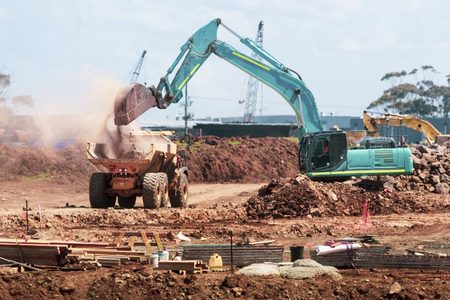
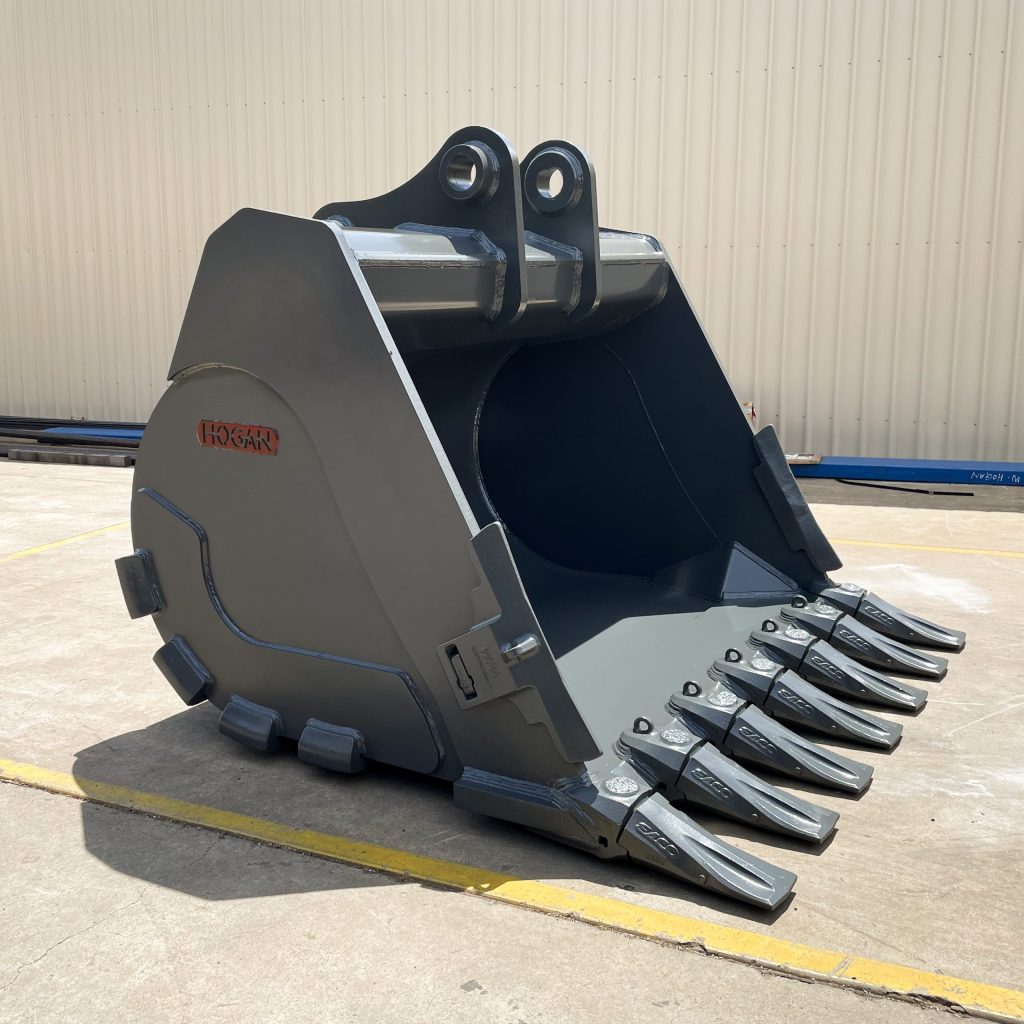
Australian job sites present unique challenges that overseas manufacturers often overlook. Our soils range from heavy clay to abrasive sand and rock, and our climate spans from freezing alpine zones with winter frost and snow to humid tropical jungles. Moreover, Australian operators work in everything from outback mining operations to urban construction sites with strict regulations and tight deadlines.
Excavator attachments designed for European or Asian markets might work adequately in their home environments, but they often struggle with the specific demands of Australian conditions. The steel grades, weld specifications, and design tolerances must account for the specific stresses that Australian work environments create. A bucket that holds up fine in softer European soils can wear through prematurely when faced with our hard soil and abrasive rock.
Australian manufacturers understand these challenges because we work in these conditions every day. We are familiar with the types of high-grade steel that withstand our climate best and understand the wear patterns that occur with our specific soil and rock types. We design reinforcements in the right places because we’ve seen where imported attachments fail.
At Hogan, our high-quality excavator buckets are designed and engineered specifically with Australian applications in mind. Whether you’re working in mining, civil construction, or general earthmoving, our heavy-duty quality attachments are built to handle the demands of local terrain and usage patterns, from rock buckets for abrasive materials to grading buckets and tilting buckets for contouring and precision work, and mud buckets for wet conditions. We use high-quality materials and manufacturing processes that we know will stand up to Australian conditions because we’ve spent decades testing and refining our designs in real-world applications across the country, improving precision and performance, whether on hard surfaces in urban sites or challenging soils in remote locations.
This local knowledge translates directly into excavator attachments that last longer, perform better, and give you fewer headaches over their working life. That’s a value you simply can’t get from an overseas supplier working from generic specifications.
Time is money in construction and earthmoving, and nothing kills productivity like waiting for equipment. When you order attachments from overseas suppliers, you’re immediately facing weeks or months of shipping time. Then there’s customs clearance, inland transport, and the hope that nothing was damaged in transit or held up by paperwork issues.
During that waiting period, your machine might be sitting idle, you could be losing contracts, or you’re making do with worn-out attachments that reduce productivity and increase other maintenance costs. The “savings” from cheaper overseas prices evaporate quickly when you factor in lost revenue from extended downtime.
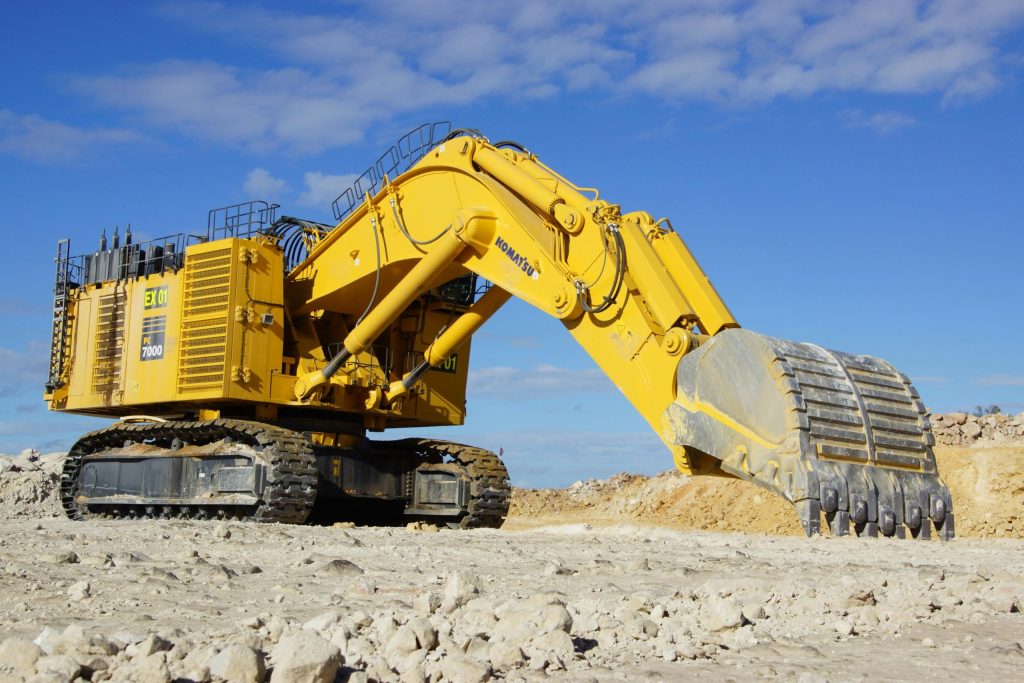
Local suppliers operate on a completely different timeline. Stock is already in Australia, often at nearby facilities. Standard items can ship within days, and even custom work is completed within a timeframe measured in weeks rather than months. When something goes wrong or breaks unexpectedly, you can get replacements or repairs sorted quickly rather than scrambling to find temporary solutions while you wait for international shipping.
We offer efficient ordering and fulfilment processes that keep your equipment working. Our local manufacturing capability enables us to respond quickly to both standard orders and custom requirements. For common excavator attachments, we maintain a constant stock supply that can be shipped immediately. For custom work, we’re manufacturing right here in Sydney, not coordinating with factories on the other side of the world.
This speed advantage compounds over the life of your equipment. When you need parts, modifications, or replacements across multiple machines, you’re working with a supplier who can respond in days, not months. That responsiveness translates directly into more productive time on your machines and fewer scheduling headaches trying to work around equipment availability.
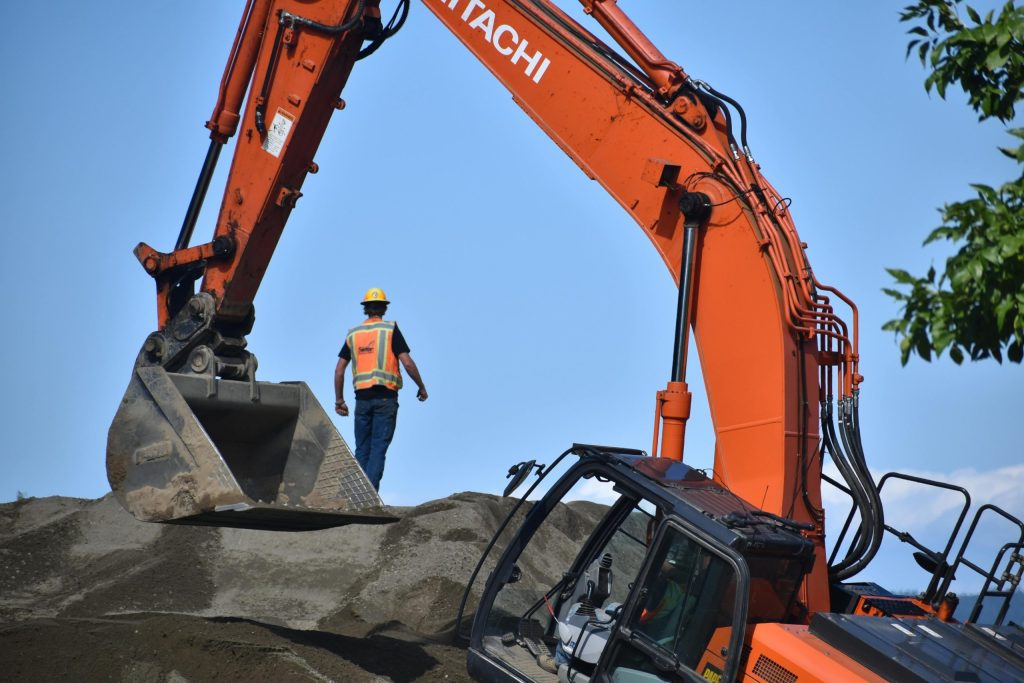
Here’s a scenario that plays out regularly with overseas suppliers: something goes wrong with your attachment, you need technical advice or replacement parts, and you’re stuck dealing with email responses that take days, language barriers, and support staff who don’t understand Australian working conditions or regulations.
Compare that to working with a local supplier where you can pick up the phone and speak directly with people who understand your industry, know the products intimately, and can provide practical solutions based on experience with similar applications. The difference in service quality is the difference between solving problems quickly and watching those problems spiral into extended downtime and lost revenue.
Local customer service teams understand the urgency of your situation because they work with Australian contractors every day. They know that when your excavator’s bucket fails, you need answers and solutions immediately, not a response suggesting you check the user manual or wait for the next business day in another timezone.
Access to parts and repairs is equally important. Local suppliers can get you what you need quickly, whether that’s a replacement pin, a wear component, or a complete rebuild. They can also provide advice on maintenance practices that extend attachment life and prevent problems before they occur.
Hogan Engineering offers personalised sales service and lifetime support that reflects our commitment to keeping your equipment running. Our team has decades of combined experience in earthmoving attachments, and we’re here to help you get the most out of your investment. Whether you need technical advice, parts, or service, you’re dealing with people who genuinely understand your challenges and have the knowledge and resources to help solve them.
That level of support affects your productivity, your costs, and your ability to deliver projects on time and on budget.
Australian safety and quality standards exist for good reasons, and local suppliers must meet these requirements to operate here. When you buy from an Australian manufacturer or supplier, you’re getting products that comply with our regulations, carry proper certifications, and can be traced back to verifiable manufacturing processes.
With overseas suppliers, verification becomes significantly more challenging. Are the materials what they claim to be? Do the manufacturing processes meet acceptable quality standards? Are safety certifications genuine? When problems arise, do you have any practical recourse? These aren’t just theoretical concerns. The Australian market has seen numerous cases of substandard imported equipment that looked acceptable on paper but failed prematurely or didn’t meet safety requirements.
Local suppliers have their reputations on the line with every product they sell. They can’t disappear or become unresponsive because they’re operating in a regulated market with established industry relationships and legal accountability. If something goes wrong, you know who to contact, and you have clear avenues for resolution.
At Hogan Engineering, our reputation is backed by decades of industry compliance and satisfied customers across Australia. We manufacture to Australian standards, use quality materials that meet local specifications, and stand behind our products with warranties you can rely on. When we say our excavator attachments meet certain specifications or capabilities, you can verify those claims and hold us accountable if they don’t perform as promised.
This accountability extends to product documentation, safety certifications, and compliance with workplace health and safety requirements. You’re not taking a supplier’s word for it; you’re working with a business that operates under Australian regulatory oversight and has built its reputation on delivering what it promises.
Every dollar you spend on Australian-made equipment creates ripple effects through the local economy. Local manufacturing supports Australian jobs in fabrication, engineering, sales, and service. It keeps trade skills active in our workforce and maintains the industrial capability that makes local supply chains resilient.
When you buy from overseas, those economic benefits disappear offshore. The purchase might save you money initially, but that saving comes at the cost of local employment, local innovation, and the long-term viability of Australian manufacturing capability.
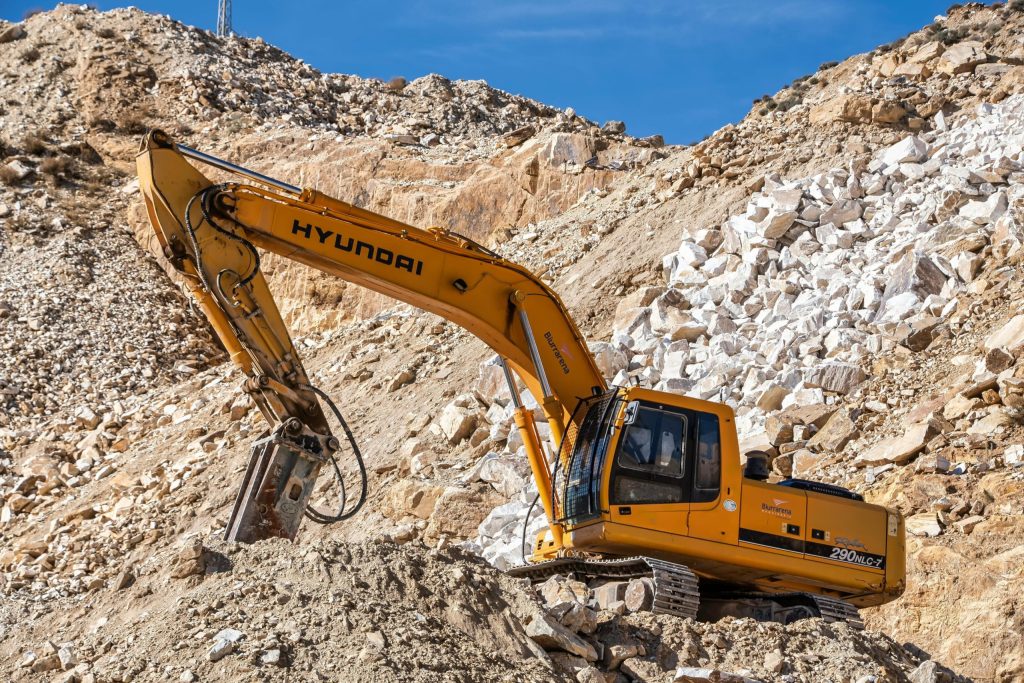
Supporting local industry helps maintain the ecosystem of skills, knowledge, and capability that makes local supply chains work. When Australian manufacturers succeed, they invest in better equipment, improved processes and performance and innovation that benefits all their customers. They train apprentices and employ engineers who develop solutions specifically for Australian conditions, and build relationships with local steel suppliers, component manufacturers, and service providers that strengthen the entire industry.
Hogan Engineering is an Australian-owned and operated business that’s been contributing to local growth for decades. We employ Australian workers, use Australian materials wherever possible, and invest in equipment and processes that keep us competitive with overseas manufacturers. When you choose Hogan’s excavator attachments, you’re supporting a business that’s committed to Australian manufacturing and the skilled workforce that makes it possible.
Off-the-shelf overseas attachments can be suitable for standard applications, but Australian projects often demand something more specific. Maybe you need an Aussie bucket with specific dimensions to suit your site constraints. Perhaps you’re working with specific materials that require custom tooth configurations or reinforcements, or need modifications to suit older equipment or unique machine specifications.
Local providers have the flexibility to offer custom attachments or modifications because their manufacturing capability is accessible. You’re not trying to communicate complex requirements through international shipping logistics and language barriers. You can work directly with people who understand what you need and have the ability to manufacture it to your specifications.
We specialise in tailored solutions for excavators and earthmovers, including our range of high-quality excavator buckets for material handling and earthmoving projects. Whether you need completely custom attachments or modifications to standard designs, we have the engineering expertise and manufacturing capability to deliver exactly what your application requires. Our team can provide expert advice on choosing the right attachment for your needs, taking into account the key features and key benefits that matter most, and factors like your machine specifications, material types, work environments, and productivity requirements.
This customisation capability extends beyond just manufacturing. It’s about working with a supplier who treats your project as unique and important rather than trying to force-fit standard products into applications where they’re not ideal. Local suppliers can visit your site, assess your requirements in person, and develop solutions that truly match your needs rather than offering generic alternatives.
The breadth of the product range matters too. Local suppliers who understand the Australian market maintain stock and capability across the full spectrum of earthmoving attachments, from small excavator buckets to large mining equipment. This comprehensive offering enables you to work with a single trusted supplier across your entire fleet, rather than dealing with multiple overseas vendors for different equipment types.
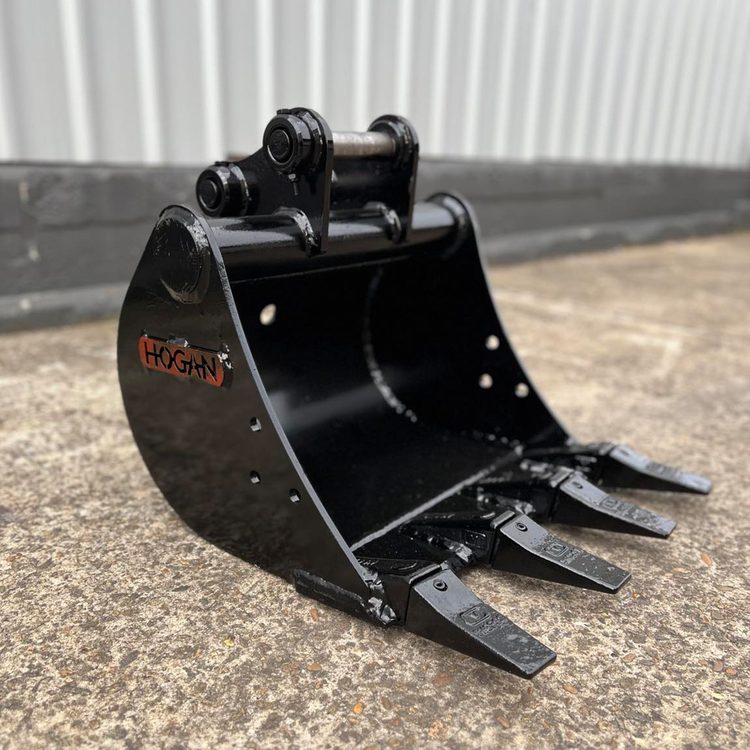
The benefits of buying Australian-made attachments aren’t abstract or theoretical. They are practical advantages that impact your productivity, costs, and ability to successfully deliver projects. Quality equipment built for local conditions, fast turnaround times that minimise downtime, accessible support when you need it, verified compliance and accountability, and the flexibility of working with local expertise all add up to better value over the life of your equipment.
Yes, the initial purchase price might be higher than the cheapest overseas alternative. But when you account for longer equipment life, reduced downtime, better support, faster parts availability, and the peace of mind that comes from working with accountable local suppliers, the economics shift decisively in favour of Australian-made attachments.
At Hogan Engineering, we’ve built our reputation over decades of serving Australian contractors, miners, and earthmovers. Our track record speaks for itself through thousands of excavator attachments working on sites across the country, backed by the kind of long-term support and service that only local suppliers can provide. We understand Australian conditions because we work in them. We respond quickly because we’re here, and we stand behind our products because our reputation depends on your success.
With everything from excavator buckets to lifting eyes, root rakes, and more, explore our range of Australian-made excavator attachments or get in touch with our team for expert advice on finding the right solutions for your specific needs. Choose local, choose quality, choose Hogan Engineering.
Posted by Hogan Accounts in Uncategorized on September 9th, 2025

When it comes to excavator safety and performance, the small details often make the biggest difference. Excavator bucket pins might seem like simple components, but get the sizing wrong and you’re looking at anything from poor attachment performance to serious safety risks. Whether you’re replacing worn pins or installing new excavator attachments, understanding bucket pins and their specifications can save you time, money, and potentially prevent dangerous failures on site.
At Hogan Engineering, we’ve been manufacturing precision-machined pins and attachments for Australian excavators for decades. We’ve seen what happens when operators try to make do with the wrong pin sizes, and we’ve built our reputation on getting these critical measurements exactly right. Let’s walk through everything you need to know about excavator bucket pins to keep your operation running safely and efficiently.
Bucket pins are the critical connection point between your excavator and its attachments. These hardened steel components handle massive loads, constant movement, and the full force of your machine’s hydraulic power. When they fail, the consequences can be catastrophic. A loose or incorrectly sized pin can cause an attachment to detach during operation, potentially injuring workers or damaging machinery.
The challenge is that pin specifications differ significantly between machine models and manufacturers. What fits a 5-tonne Kubota won’t work on a 5-tonne Caterpillar, and assuming they’re interchangeable is a mistake that can cost you dearly. This is particularly important when using quick hitch systems, where precise pin dimensions are essential for safe operation. That’s why Hogan Engineering maintains an extensive database of standard pickup specifications for excavators operating across Australia.
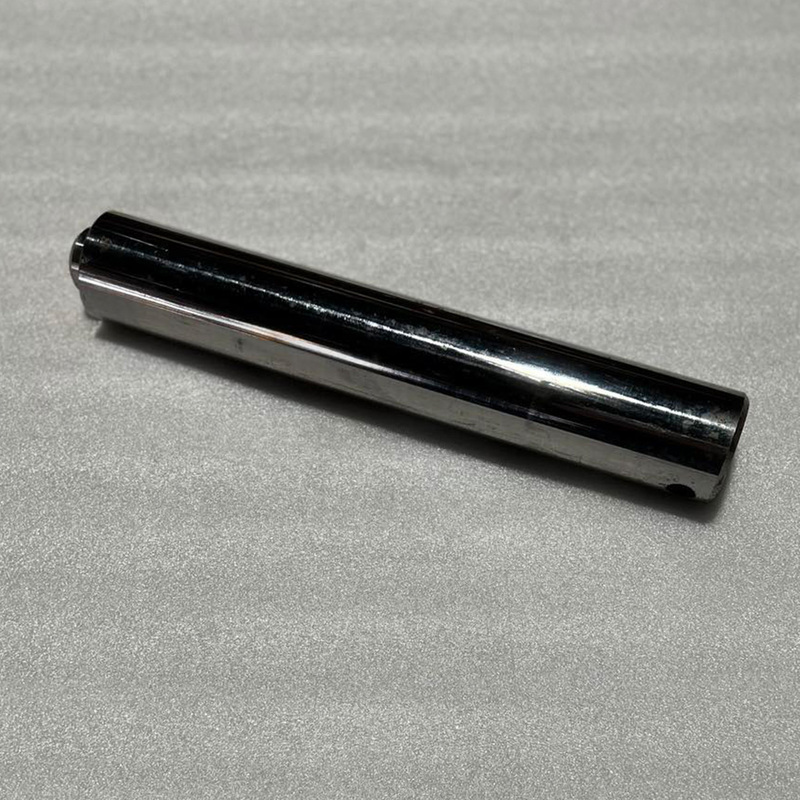
Our precision-machined pins are designed for reliability and safety. Take our Main Pivot Pin, for example. This component is engineered to suit tilt buckets across the 1.5 to 20-tonne range, with each size manufactured to exact specifications that establish a perfect fit and maximum safety margins.
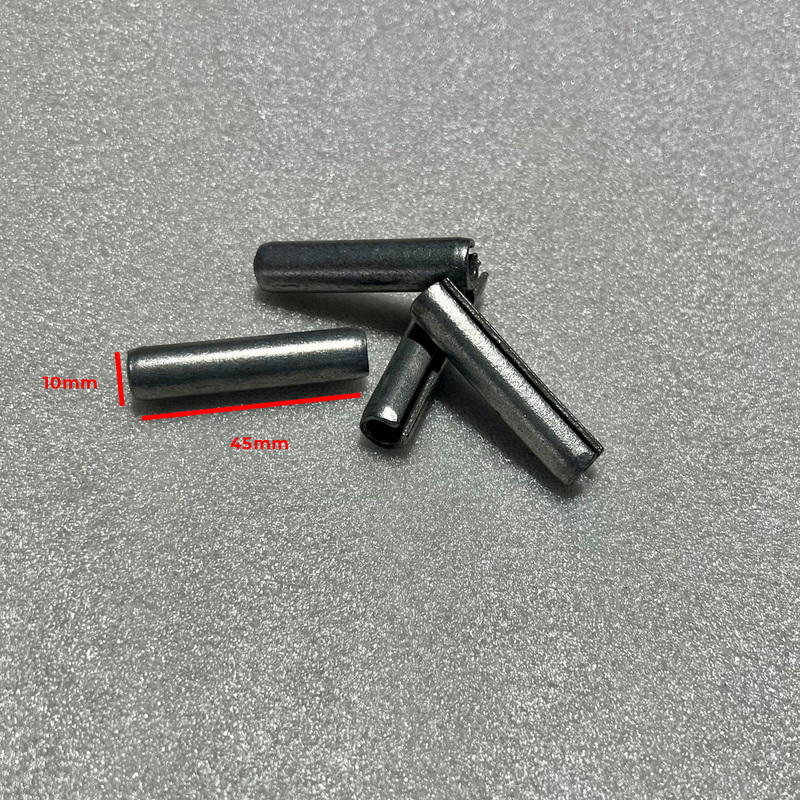
Before you can select the right pin, you need to understand the key measurements that determine compatibility. The three critical specifications for any excavator bucket pin are diameter, centre-to-centre distance, and spread.
Pin diameter is straightforward: it’s the thickness of the pin itself, measured in millimetres. This needs to match the bore holes in both your machine’s pickup and the attachment. Even a millimetre deviation can mean the pin won’t fit properly or will wear prematurely.
Centre-to-centre distance refers to the measurement between the centres of the pin bores on your machine’s pickup. This determines how far apart the mounting points are and must match exactly between your excavator and attachment.
Spread, sometimes called ear width, is the distance between the inside faces of the mounting ears when measured at their narrowest point. This determines whether an attachment will physically fit between your machine’s pickup points and can be safely attached.
Here’s where it gets important: front and rear pins on many excavators have different specifications. Always measure both if you’re replacing multiple pins or installing a new attachment system.
Getting accurate measurements is critical for safety and proper fit. Here’s the step-by-step process we recommend at Hogan Engineering.
Step 1. First, remove the old pin completely and clean out the pin bore holes. Any dirt, grease, or debris can throw off your measurements and lead to ordering the wrong size. Use a wire brush or compressed air to guarantee the bores are completely clean.
Step 2. Next, use quality callipers or a steel ruler to measure the pin diameter in millimetres. Don’t rely on approximate measurements or assume the pin size based on your machine’s tonnage. Take multiple measurements along the pin’s length to check for wear or deformation.
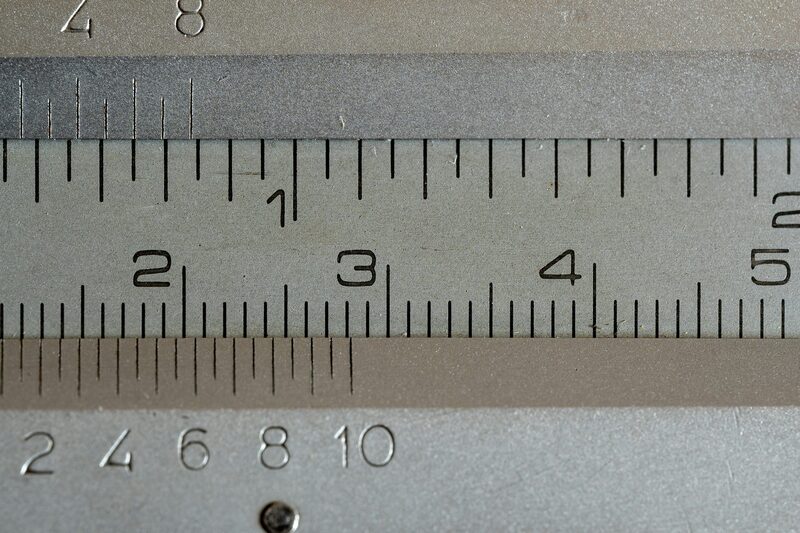
Step 3. Measure the centre-to-centre distance between pin bore holes using a steel ruler or tape measure. This must be precise, as even a few millimetres difference can prevent proper attachment or create dangerous stress points.
Step 4. Finally, measure the spread by determining the narrowest width between the mounting ears. This is often at the base of the ears rather than at the top, so check multiple points to find the true restriction.
If you’re in the Sydney area, you can bring your machine or bucket to our workshop for precise measuring. Our team can verify specifications against our database and cerity you get the right components. For those outside our local area, careful measurement following these steps will get you the accurate data needed to select the correct bucket pins.
Always double-check your calculations against Hogan’s specification database before ordering. We’ve seen too many cases where field measurements were slightly off, leading to parts that are mismatched or compromise safety. If you aren’t sure about your numbers or don’t feel comfortable taking the measurements, contact us to speak with a member of the team; they’d be happy to guide you through it.
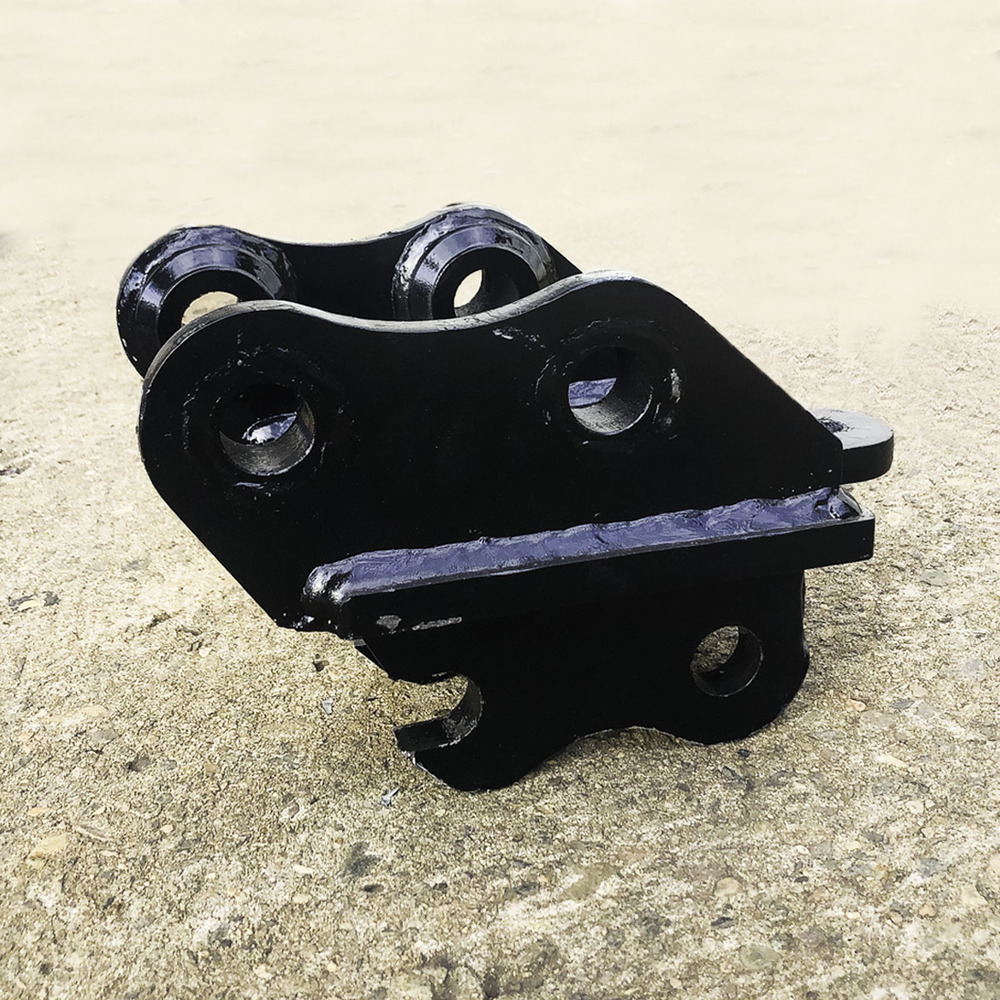
Most excavator buckets and attachments are not universal, despite what some suppliers might suggest. Pin centres and spreads vary significantly between manufacturers, and even within the same brand, different model years can have different specifications. This is why generic “one size fits most” approaches often lead to problems.
At Hogan Engineering, we offer a comprehensive range of attachment solutions designed for a precise fit. Our 1.5 Tonne Pull Pin Hitch provides quick and easy attachment changes while maintaining the exact pin specifications required for safety. For larger machines, we have a range of manual and pull pin hitches to suit your needs, including a 2.5 Tonne Pull Pin Hitch, 3.5 Tonne Manual Hitch, 5 Tonne Manual Hitch, and 6.5 Tonne Manual Hitch. Each of our hitches is manufactured with CNC-machined pin centres, establishing perfect positioning every time.
The key advantage of our CNC machining process is consistency. When we manufacture pins and hitches, every component meets exact specifications without the variations that can occur with less precise manufacturing methods. This attention to detail ensures that your attachments fit properly, operate safely, and don’t create unnecessary wear on your machine or buckets.
Our large library of machine data allows us to mix and match pickups to suit specific needs. Whether you’re running multiple machine types or need to adapt older attachments to newer excavators, we can provide the precise pin specifications required for safe, reliable operation.
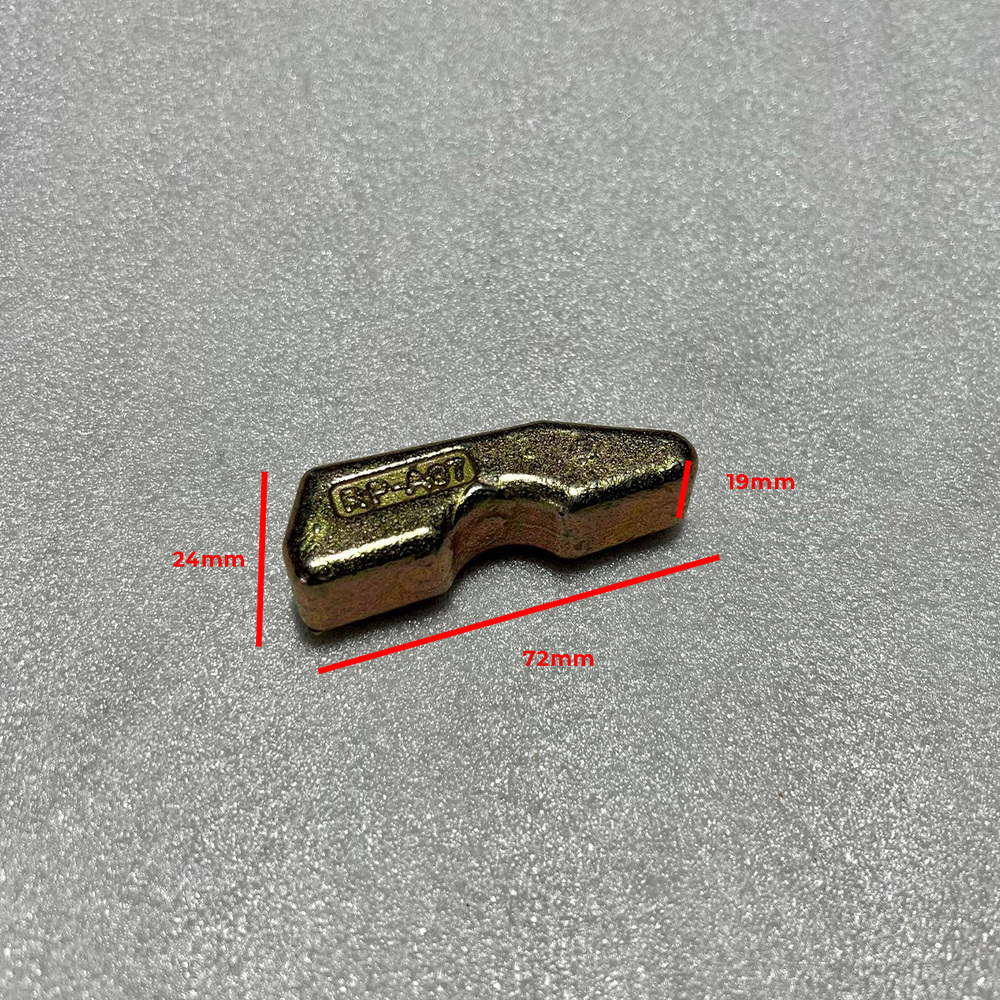
Each of these pins represents specific engineering solutions for particular applications and tonnage ranges. This variety demonstrates why generic approaches to pin selection often fall short – the right pin for your application depends on your exact machine specifications and intended use.
As with any component on your machine, proper maintenance extends pin life and certifies your team’s safety. Regular lubrication is essential for greaseable pins, particularly in tilt bucket applications where our fully greaseable systems with hardened pins require consistent greasing schedules to prevent premature wear.
Inspect pins regularly for signs of wear, scoring, corrosion, or looseness. Surface damage often indicates that a pin is oversized or undersized for its application, causing excessive movement or binding. Catching these issues early prevents more serious problems and potential safety hazards.
Pay attention to retaining hardware as well. Properly tightened bolts, clips, and other retention systems are just as important as the pins. Loose hardware allows pins to work their way out of position, creating dangerous conditions that can lead to attachment failure.
Replacement is the only safe option when pins show signs of significant wear, diameter reduction, or surface damage. If a pin is showing signs of wear, substitute it immediately rather than trying to extend its service life. The cost of a new pin is minimal compared to the potential costs of equipment damage or safety incidents caused by pin failure.
Keep spare pins on hand for critical applications. Having the right replacement parts readily available minimises downtime and confirms you’re not tempted to use incorrect pins as temporary solutions.
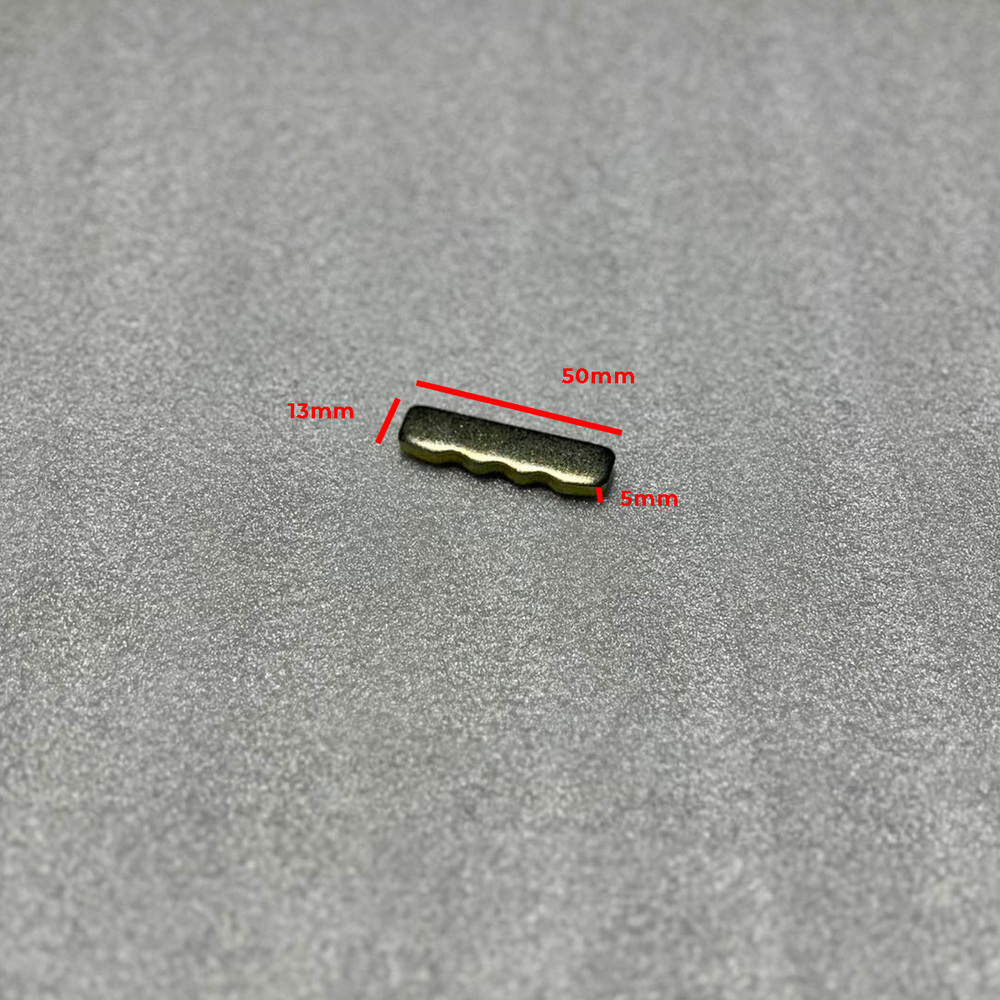
Selecting the correct pin doesn’t have to be complicated when you have the right support. At Hogan Engineering, our extensive database contains specifications for most excavator models operating in Australia, and our experienced team can provide tailored advice for your specific application.
For customers in the Sydney area, we highly recommend bringing your machine or bucket to our workshop for precise measurement and specification verification. Our team can determine exactly what you need and ensure compatibility before you make any purchase decisions.
For those outside our local area, contact us so our team can offer phone and email support to guide you through the measurement process and help verify specifications against our database. Our goal is to ensure you get exactly the right components the first time, avoiding the delays and costs associated with incorrect parts.
While our online parts store makes ordering standard components easy and convenient, we still strongly recommend verifying key measurements before placing your order. To see our full range, explore our tilt bucket components and spare parts, and as always, confirm your specifications with our team if you have any doubts about compatibility.
Remember that getting the right pin is about ensuring safe, reliable operation over the long term as much as it is about getting an immediate fit. Properly specified pins distribute loads correctly, minimise wear on both the pin and surrounding components, and provide the safety margins needed for demanding construction work.
Understanding pin diameter, centres, and spread measurements gives you the confidence to select the right pin and bucket combination for your excavator.
At Hogan Engineering, we’ve manufactured precision pins, hitches, and adaptors across all tonnage ranges for decades, backed by expert measuring support and our comprehensive specification database. Whether you need a single replacement pin or a complete attachment system, our team ensures you get components that fit perfectly and operate safely.
Don’t leave excavator safety to chance. Contact us today to discuss your pin requirements and explore our selection of excavator attachments. From mud buckets and root rakes to excavator rippers and lifting eyes, we’ve got it all, including the ability to deliver custom-built excavator attachments tailored to your needs.
Posted by Hogan Accounts in Uncategorized on August 5th, 2025
Construction sites are complex environments where danger doesn’t always announce itself with flashing lights and warning sirens. While most operators know to watch out for the obvious hazards like heavy machinery, electrical work, and working at heights, it’s often the hidden risks that catch construction workers off guard and cause the most serious incidents.
At Hogan Engineering, we’ve worked with construction teams across Australia for decades, and we’ve seen how quickly things can go sideways when these concealed dangers aren’t properly managed. The reality is that some of the biggest threats to worker safety are the ones you can’t immediately see, hear, or touch. But that doesn’t mean they can’t be controlled.
Let’s dig into the hidden risks that lurk beneath the surface on Australian construction sites and, more importantly, how to spot and manage these construction hazards before they become problems. Hopefully, these safety tips can help minimise risks across your operation.
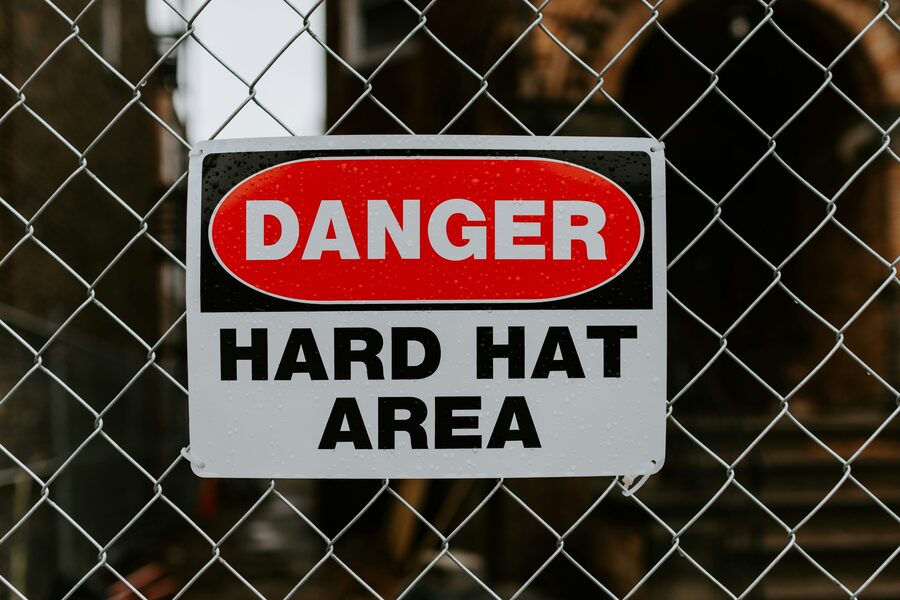
The construction industry already carries enough obvious risks without adding invisible threats to the mix. But here’s the thing: hidden hazards are particularly dangerous because they don’t trigger the same instinctive caution that a piece of heavy machinery or an open excavation would. Workers might take all the right precautions around a crane, but completely overlook the respiratory hazards from cutting concrete nearby.
These concealed risks often have delayed health impacts, making them easy to ignore until it’s too late. By the time symptoms appear, the damage is often irreversible. That’s why getting ahead of these hazards isn’t just good practice. It’s essential for construction safety and to protect workers from long-term health impacts while keeping your operation running smoothly.
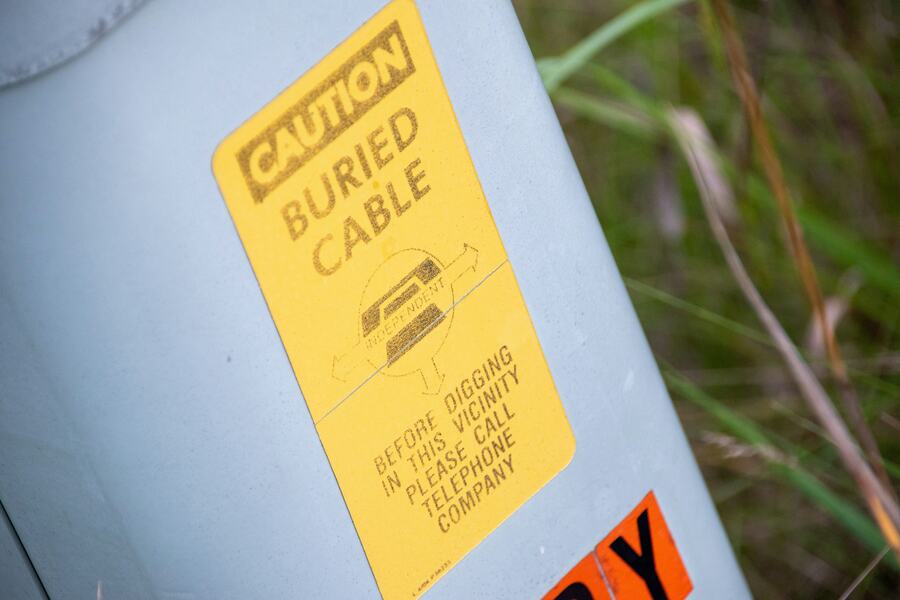
Most workers know to look out for overhead power lines, but one of the most dangerous hidden risks on any construction site is what’s buried beneath your feet. Underground utilities like gas lines, electrical equipment, water mains, and telecommunications infrastructure pose serious threats that many crews don’t think about until they hit something they shouldn’t have.
A single strike on a gas line can shut down your entire operation, put lives at risk, and cost thousands in repairs and delays. Electrical hazards can cause electrocution, while damaged water mains create flooding that can undermine foundations and equipment stability.
Always conduct thorough utility location surveys before breaking ground. Use professional locating services and ground-penetrating radar where necessary. Mark all identified utilities clearly and brief your excavator operators on their exact locations.
When working near known utilities, dig by hand or use vacuum excavation techniques instead of mechanical digging. It’s slower, but it’s a lot safer than explaining to your client why their project is delayed because you severed a major gas line. These safety precautions can save both lives and project timelines.
Australian soil conditions can be unpredictable, and what looks like solid ground can quickly become unstable under the weight of heavy machinery or after weather changes. Clay soils that seem firm can become slippery and create uneven surfaces after rain, while sandy soils can shift unexpectedly under load.
Excavator operators working near trenches, embankments, or recently disturbed soil face particular risks. A machine can tip or become bogged without warning, and workers on foot can be caught in sudden collapses that occur at ground level. These unstable conditions create multiple hazards, including the risk of a person falling into excavations or being struck by shifting soil and debris.
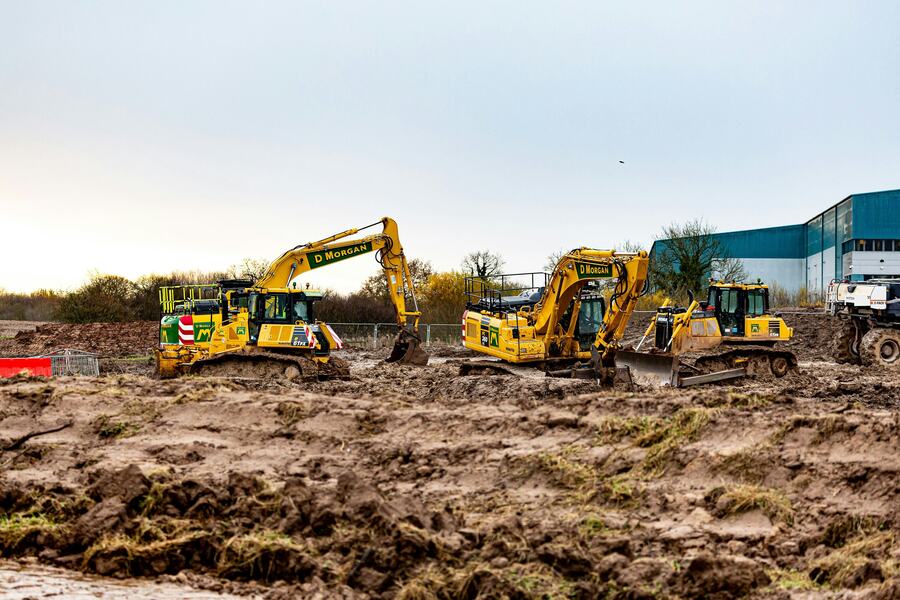
Conduct geotechnical assessments before starting work, especially on unfamiliar sites. Monitor soil conditions throughout the job, particularly after rain or when working near excavations. Keep heavy machinery away from the edges of trenches and slopes. The general rule is to stay back a safe distance equal to the depth of the excavation.
Use proper shoring and sloping techniques for any excavation work, and never let workers enter unsupported trenches or collapsing trenches. These control measures are essential for maintaining site safety. Implementing proper risk control measures helps prevent incidents before they occur.
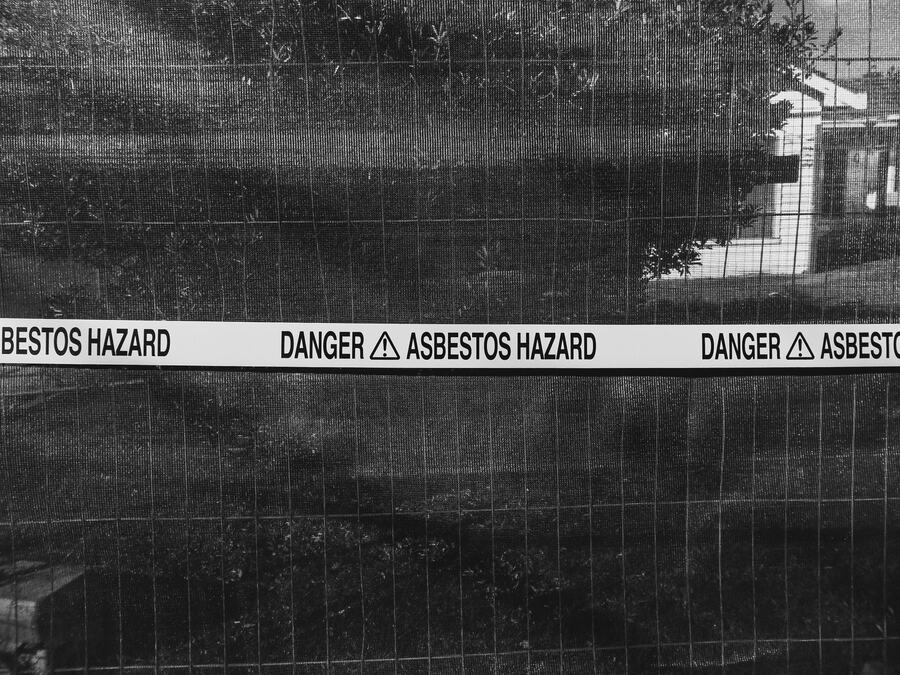
Construction work generates massive amounts of airborne contaminants that can cause serious long-term health problems. Silica dust from cutting concrete and masonry is the most common cause of lung disease in construction, taking years to develop. Asbestos fibres in older buildings, chemical fumes from adhesives and solvents, and even regular construction dust all pose respiratory risks.
The problem is that these hazards are often invisible, and the health effects don’t show up immediately. Airborne fibres and dust particles can cause permanent damage by the time workers notice breathing problems.
Identify hazards during your pre-start planning. Use water suppression systems when cutting or grinding materials that create dust. Ensure adequate ventilation in enclosed spaces, and provide appropriate respiratory protection. Use N95 masks for general dust and P100 respirators for silica and asbestos work. Train your crew on proper use and maintenance of personal protective equipment, and don’t let anyone treat it as optional. When using power tools for cutting or grinding, pay attention to trailing cables that can create trip hazards in dusty, low-visibility conditions.
Many construction sites, particularly in industrial areas or older suburban sites, may have contaminated soil from previous land use. Fuel spills, chemical storage, or industrial processes can leave behind contaminants that pose health risks to workers and can also damage equipment. Underground fuel tanks or chemical storage areas can create contaminated or flammable atmosphere conditions when disturbed during excavation.
These contaminants aren’t always obvious. Contaminated soil might look and smell normal but still contain harmful substances. Workers can be exposed in multiple ways throughout their working environment, including through skin contact, inhalation of dust, or contaminated groundwater. Manual handling of soil and materials without proper protection significantly increases these exposure risks.

Research the site’s history before starting work. Look into previous land use, and if there’s any doubt about soil quality, arrange for contamination testing. If contamination is found, follow proper handling procedures, provide appropriate PPE, and ensure contaminated soil is disposed of according to safety legislation. Don’t assume that because soil looks clean, it’s safe to handle without protection. Use temporary support structures when working in unstable excavated areas.

Australian weather can change quickly, and reduced visibility from rain, dust storms, or even bright sun can create dangerous conditions. Poor visibility makes it hard for machinery operators to see workers, increases the risk of collisions with moving objects, and makes it difficult to spot hazards.
Early morning fog, afternoon glare, and sudden weather changes can all contribute to visibility problems that many crews don’t adequately prepare for.
Monitor weather conditions and adjust work practices accordingly. Install adequate lighting for early morning and late afternoon work, and provide personal lighting equipment for workers in low-light conditions. Ensure all workers wear high-visibility clothing, and establish clear communication protocols between machine operators and ground workers. When visibility is severely compromised, consider stopping work until conditions improve to ensure everyone can work safely.
Working long hours in demanding conditions takes a toll that isn’t always obvious until someone makes a critical mistake. Fatigue reduces reaction times, impairs judgment, and increases the likelihood of accidents. In Australia’s harsh climate, heat stress compounds these effects and can quickly become a serious risk. These hidden stressors affect both physical integrity and mental health, creating cascading safety issues that may not be immediately apparent.
The problem is that workers might not recognise the early signs of heat stress or fatigue in themselves, and the effects can accumulate over days or weeks of demanding work. This makes fatigue and heat stress particularly dangerous hidden risks.

Employers should implement proper rest schedules and rotate workers through demanding tasks. Provide adequate shade and hydration, especially during summer months. Train supervisors to recognise signs of fatigue and heat stress in their crews. Encourage workers to speak up if they’re feeling unwell, and create a culture in the workplace where taking breaks for safety reasons is seen as responsible, not weak.
Managing hidden risks on construction sites isn’t about eliminating every possible danger, it’s about recognising them, planning for them, and having the right equipment and procedures to handle them safely. A few minutes spent identifying potential hazards and briefing your crew can prevent incidents that could shut down your job and put people in hospital.
At Hogan Engineering, we’ve been helping businesses and operators of all shapes and sizes get the most out of their machines for decades. With an extensive range of excavator attachments designed for Australian conditions, as well as the ability to customise attachments to your specific needs, we make it easy to choose equipment that keeps your operation safe and productive.
Explore our selection of excavator buckets, excavator rippers, mud buckets and more, or contact us today to see what we can offer for your next project!
Posted by Hogan Accounts in Uncategorized on May 12th, 2025
When you’re working in challenging ground conditions, not just any bucket will do. Whether you’re shifting tough clay, breaking through rock or loading out demolition waste, your excavator bucket needs to be up to the task. With so many types of excavator buckets on the market, knowing which ones actually hold up on tough Australian sites — and which ones won’t — can save you a lot of time and money.
Here’s what makes a bucket truly reliable when it comes to heavy-duty excavation projects.
General-purpose buckets are fine for lighter material-handling tasks like digging in sand or topsoil. But once you throw them into abrasive environments or dense ground, their limitations become obvious. We’re talking cracked sidewalls, worn-through cutting edges and a loss of digging efficiency. That’s the danger of using the wrong bucket: not only will it struggle with the job, but it could also cause unnecessary wear on your machine.
Standard buckets also fall short when the task requires precise digging, digging narrow trenches, or retaining larger debris. For these kinds of jobs, you need a more purpose-built option.
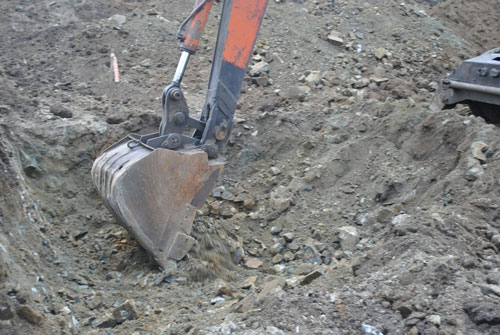
Heavy-duty excavator buckets aren’t just thicker versions of standard buckets — they’re designed from the ground up to handle impact, abrasion and long hours of use. A proper heavy-duty bucket uses high-performance steels like BIS450 or Hardox, known for their strength, toughness and ability to absorb punishment without bending or cracking. This makes them ideal for bulk material handling and jobs that involve handling tough materials day in, day out.
Reinforcement features like internal gussets, full-length wear strips, and robust pickup points give these buckets the edge when the job gets demanding. Geometry also plays a part. A well-shaped rock bucket, for example, allows for deeper penetration and better breakout force, which means smoother digging and less wear on the machine.
No matter how tough the bucket is, it won’t perform properly if it’s not matched to your machine. Getting the right excavator bucket means paying close attention to pickup dimensions — pin size, spacing and length. A poor fit can cause rattle, misalignment and even structural stress, especially when you’re working with heavier materials or in stop-start cycles. It’s not just about performance; it’s about long-term reliability.
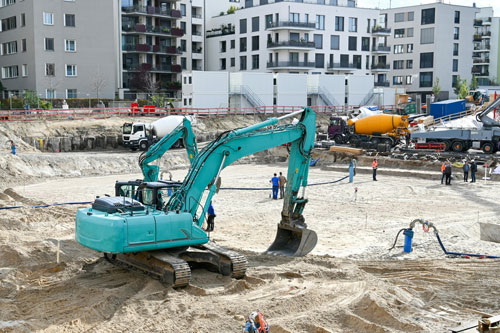
In heavy-duty scenarios, the bucket teeth are the first to feel the pressure. Poor-quality or mismatched teeth can limit how well your bucket bites into the ground and increase wear on the cutting edge. That’s why it’s worth choosing a bucket that comes with quality adaptors and the right style of tooth for the material you’re working in. Rock teeth, twin tiger teeth and flare teeth all serve different purposes, and the right choice can mean smoother digging, less downtime and fewer replacements.
If there’s one thing that separates a bucket built for the long haul from one that’ll fold under pressure, it’s the steel. Heavy-duty excavator buckets face daily abuse, from sharp-edged rock and reinforced concrete to dense clay and compacted fill, and they need the materials to match.
That’s where premium steels like Hardox and BIS 450 come into their own. Both are quenched and tempered wear plate steels, explicitly engineered for high-impact, high-abrasion environments. Hardox, made by SSAB, has earned a global reputation for striking the perfect balance between hardness and toughness. It’s hard enough to resist gouging, edge wear and abrasion, but still tough enough to flex slightly under load without cracking. BIS 450, an Australian-made equivalent, offers similar wear resistance and yield strength. It’s a favourite among local operators who need gear that can handle the unique challenges of Aussie conditions without breaking down halfway through the job.
Quality buckets built from these materials typically outlast standard mild steel buckets many times over. You’ll see it in straighter sidewalls, reduced lip wear, and fewer mid-job weld repairs. And when the buckets are backed with smart reinforcement like internal gussets, heavy-duty pickups and full-length wear strips, the reliability becomes even more obvious.
In short, you’re not just paying for steel. You’re buying uptime, consistency, and the confidence that your bucket won’t give out when you’re knee-deep in hard-packed ground with deadlines looming.
There are many excavator bucket types, each suited to different tasks. For example, trenching buckets are narrow and designed for creating deep, clean trenches, perfect for digging narrow paths for utilities or cables. Skeleton buckets are great for retaining larger debris while letting finer materials fall through, making them ideal for site clean-up, sorting rubble after demolition, or for sorting loose materials used in landscaping.
When you’re dealing with awkward, oversized or uneven loads, a hydraulic grab bucket gives you added grip and control. They’re commonly used for handling things like broken concrete, logs, scrap metal or demolition waste, anywhere you need to hold and position awkward materials securely. These different excavator bucket types all serve specific roles on site. The key is choosing the right excavator bucket for the task instead of stretching a general-purpose one beyond its limits.
A heavy-duty excavator bucket isn’t just about brute strength, it’s about smart design, material selection, and proper fitment. Choosing the right bucket for your machine and application can improve productivity, reduce the risk of failure, and help you get through tough projects without delays.
If your work takes you into challenging ground conditions, investing in a reliable bucket is one of the smartest decisions you can make.
At Hogan Engineering, we’ve been helping businesses and operators of all shapes and sizes get the most out of their machines for decades. With an extensive range of excavator attachments, including excavator buckets, excavator rippers, and excavator grabs, as well as the ability to customise attachments to your specific needs, we make it easy to find the perfect fit for your projects. Contact us today to speak with a member of our team and find out how our excavator attachments can help you tackle heavy duty tasks!
Posted by Hogan Accounts in Uncategorized on May 12th, 2025
Excavators are a worksite must-have for a reason. They’re powerful, versatile, and essential for just about any kind of digging, lifting, or trenching task. But they’re not foolproof. A few wrong moves behind the controls can turn a productive day into a costly delay or worse. Whether you’re new to the seat or have years of experience, avoiding these common mistakes is key to safe and efficient operation.
Here are 9 things every operator should steer clear of.
This one might sound simple, but it’s where a lot of problems start. Failing to run through the proper operating procedures before getting to work can easily lead to issues like oil leaks, loose hoses, or worn components being missed.
Daily inspections are your first line of defence when it comes to machine health. That includes checking fluid levels, looking over the hydraulic system, and making sure attachments are secure and in good working order. Following the manufacturer’s guidelines for servicing and inspection ensures nothing critical is overlooked.
An excavator might look simple from the outside, but efficient operation takes more than just pulling a few levers. Without proper training, it’s easy to fall into improper operation techniques: things like jerky controls, unstable loading, or unsafe movement near other workers.
Investing in comprehensive training means excavator operators know how to handle the machine in a variety of scenarios, understand how attachments work, and follow safety protocols to the letter. It’s not just about protecting the gear, it’s about protecting people too.
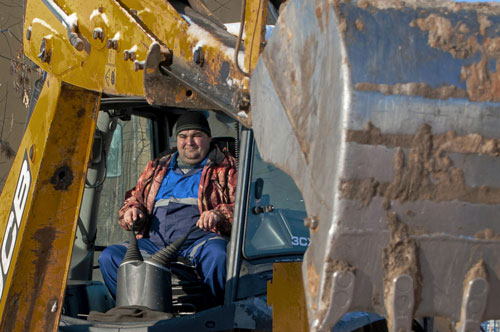
Whether operating a mini excavator or a skid steer, there are plenty of common mistakes to avoid, but ignoring safety protocols is one of the worst. These rules exist for a reason. From exclusion zones to two-way communication, each element plays a role in preventing collisions and ensuring safe operation of the machinery for everyone on site.
It’s also essential to wear the right personal protective equipment at all times. High-vis gear, hard hats, safety boots, and hearing protection should be standard issue. And always maintain clear communication with other workers, especially when moving near blind spots or busy zones.
One of the most dangerous excavator mistakes operators can make is failing to check for underground utilities before digging. Striking a gas line, power cable or water main can have serious, and sometimes fatal, consequences.
Before putting bucket to ground, use the proper tools and processes to identify what’s below. Contact relevant authorities for dial-before-you-dig services, and keep a copy of utility plans on hand. It’s always better to check twice than to pay the price.
It might be tempting to make do with what you’ve got on hand, but using the wrong tool, like a digging bucket to shift debris or a ripper to move spoil, can lead to damage and injury. Incorrect bucket usage also places extra strain on your machine, reducing lifespan and increasing the chance of failure.
Choose attachments that are rated and suited for the specific job at hand, and double-check compatibility before hooking them up. Following manufacturer’s guidelines when selecting attachments ensures both performance and safety.
Exceeding an excavator’s lifting capacity or failing to follow proper digging techniques puts unnecessary strain on the equipment and can cause it to tip. The same goes for lifting loads with the boom swung to the side instead of straight ahead.
To stay safe, always dig within a 45-degree range of the tracks, use the correct bucket angle, and position loads so the weight is evenly balanced. Overcrowding the bucket might look efficient on paper, but it’s often one of the biggest culprits behind instability and sloppy trenching.
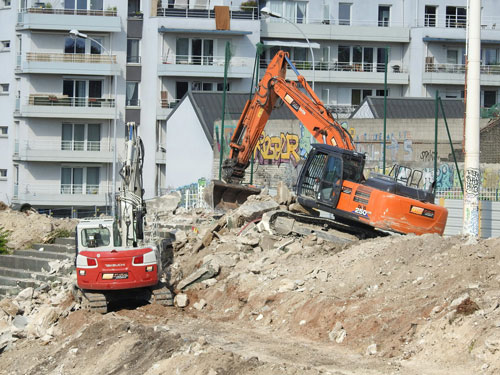
When the job’s done, don’t just swing the machine into any old position and call it a day. Parking an excavator safely involves lowering the boom, placing the bucket flat on the ground, and aligning the cab with the tracks to make sure operators can maintain three points of contact when exiting.
Leaving the machine in an awkward or unsafe position not only makes it more likely to get bumped or damaged, it increases the risk of slips, trips, and falls for the next person who hops in.
An excavator that isn’t maintained is a breakdown waiting to happen. That means downtime, costly repairs, and unhappy clients. Regular maintenance like oil changes, filter replacements, and pin greasing is the backbone of keeping your machine in peak condition.
Don’t wait until something breaks to give your excavator some attention. Set up a schedule based on hours used and stick to it. It’s the best way to protect your investment, reduce the risk of accidents, and keep things running smoothly. Make sure to include regular checks of your hydraulic fluid, as low levels or contamination can lead to serious issues with your hydraulic system, which in turn can compromise both efficiency and safety.
Whether you’re tackling a new site or a familiar job, planning matters. Without a clear strategy, operators are more likely to cut corners, make poor calls, or waste time reworking bad digs. That’s not just inefficient, it’s unsafe.
Take the time to plan your approach, assess the site, and set up for efficient operation. Know where the dump zones are, check for swing clearance, and confirm that the machine has enough room to manoeuvre without clipping obstacles or people.
Avoiding excavator fails isn’t about being perfect, it’s about knowing what to look for and working smart. Whether you’re after expert advice, the right tool for the job, or a custom solution that keeps your team productive and safe, we’re here to help.
At Hogan Engineering, we’ve been helping businesses and operators of all shapes and sizes get the most out of their machines for decades. With an extensive range of excavator attachments, such as excavator buckets, excavator rippers, and lifting eyes, as well as the ability to customise attachments to your specific needs, we make it easy to choose the right attachments for your projects and get the most out of your machines. Contact us today to discuss your needs with a member of our team!
Posted by Hogan Accounts in Uncategorized on May 9th, 2025
Working with heavy machinery can make or break a project, both in terms of timelines and workplace safety. From excavators and loaders to graders and rollers, these machines do the heavy lifting on site, but one wrong move can put workers, gear and the entire job at risk. If you’re running a crew or jumping in the operator’s seat yourself, knowing what not to do is just as important as doing things right.
In this safety brief, we’re taking a clear-eyed look at the habits and oversights that create health and safety risks when operating heavy machinery, and offering practical steps to help you avoid them.

Every construction site has its shortcuts. But just because something hasn’t gone wrong yet doesn’t mean it’s safe. Letting things slide, like bypassing lockout procedures or using the wrong attachment “just for a quick lift”, sets a dangerous precedent. Over time, these habits become standard, increasing the risk of injury or machine failure. If you wouldn’t train a new operator to do it that way, it’s probably not safe. Call it out and fix it. Leading by example is one of the most effective safety measures available.
Poor visibility, blind spots and chaotic sites are a recipe for disaster. Whether it’s a roller reversing without a spotter or an excavator swinging near foot traffic, machine operations without clear spatial awareness is a common cause of workplace incidents.
Use cameras and mirrors where possible, but don’t rely on them entirely. Communication is key. Establish eye contact before moving, and never assume someone can see or hear you just because you’re in a machine. Everyone on site should be wearing personal protective equipment, including hi-vis, so they’re easily seen.

Many operators focus on moving parts and forget about less visible risks. Pressurised hydraulics, electrical systems, heat build-up and stored energy all carry the potential for serious harm. A hydraulic system failure, for instance, can lead to sudden movement, equipment loss or contact injuries.
Machine guards, safety barriers and shielding hot surfaces are essential control measures. Isolate power sources during maintenance and always follow safety legislation when modifying or maintaining equipment. Machinery safety isn’t just about preventing immediate accidents, it’s also about reducing long-term risks through proper controls and awareness.
If a hazard is present, there needs to be a plan behind it.

Not all attachments are created equal — and not all are designed for the machine you’re using. A mismatched or poorly secured attachment can detach during operation, especially when dealing with lifting or impact loads. This is especially critical with excavator attachments, where quick hitches and hydraulic couplers are involved.
Follow the manufacturer’s specifications for coupler compatibility, load limits and pin size. And don’t assume a hitch is secure just because it “feels” locked. Always perform a visual check and a connection test. Attachment safety is a key part of machine operations and should never be skipped.
Machines and foot traffic don’t mix. One of the biggest risks when operating heavy machinery is allowing people to move freely in and around the work zone. Even low-speed movement can be deadly if someone is caught in the wrong place at the wrong time.
Use exclusion zones and barricades to define where people can and can’t go. And make sure access is only given to a competent person with the right clearance or training. Finally, make sure anyone stepping into high-risk areas is wearing the right PPE, including hard hats, safety goggles and high-vis clothing. Together, these practices will help keep your site clear and prevent accidents.
Getting your licence or ticket is the start, not the end, of being a safe operator. Too often, experienced crew members rely on routine instead of staying current with emergency procedures, updated equipment and new safety features.
Proper training is ongoing. Toolbox talks, refresher sessions and crew debriefs make a big difference, especially when operating heavy equipment with high-risk components like quick hitches or hydraulic systems. They ensure every operator, from rookies to seasoned pros, has the support they need for safe operation.
We’ve all seen it in the construction industry. A long shift’s over, and the machine gets shut down in a hurry with the bucket left half-raised and the tracks skewed across the yard. Not only does this impact maintenance and readiness but it can be dangerous. A machine that hasn’t been properly parked or powered down is a hazard waiting to happen.
Take the extra few minutes to lower attachments to the ground, disengage hydraulics, apply the parking brake and follow proper shutdown procedures. It’s a simple way to protect your gear, your site and your team.
At Hogan Engineering, we know that safe operation starts with the right equipment. Our high-quality excavator attachments and machine add-ons are built with Australian worksites in mind, tough, reliable and customisable to your project. Whether you’re upgrading your fleet or replacing worn components, we’re here to help you do it right. Contact us today to find the solution that fits your machine and your job.
Posted by Hogan Accounts in Uncategorized on April 8th, 2025
Excavator attachments have come a long way, turning machines into multi-tasking powerhouses on construction sites across Australia. But with greater capability comes greater responsibility, especially when it comes to safety. While most operators do the right thing, there are still a few unsafe habits that creep in. Left unchecked, they can put people, projects and heavy equipment at serious risk.
At Hogan Engineering, we’ve spent decades working with crews of all shapes and sizes across the construction industry, and we’ve seen firsthand how quickly things can go wrong when safety practices slip. In this article, we’ll take you through some of the most dangerous habits we see with excavator bucket attachments and more importantly, show you some alternatives to improve occupational safety on your job site.
It’s surprisingly common to see smaller attachments loaded into a larger bucket for transport. At a glance, it might seem like a tidy and efficient way to get everything on the float. But unless those items are strapped down, it’s a recipe for disaster. On a moving machine or trailer, unsecured attachments can shift, fall, or dislodge completely, especially during loading and unloading.
Always treat attachments like individual pieces of gear. If you’re transporting them, secure them properly to the float using straps, chains or restraints that meet the requirements in the Load Restraint Guide. If you absolutely need to place them inside a bucket, make sure they’re tightly secured to the bucket itself before anything moves. Most importantly, your crew should have clear processes around transport to avoid the risk of serious injury. No one should be improvising when it comes to safety.
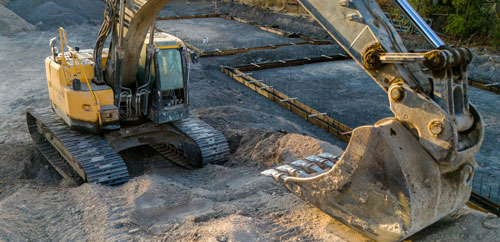
It might seem harmless to duck under a bucket for a quick visual check or to help guide positioning, but this kind of shortcut can have devastating consequences. Even a small bucket can weigh hundreds of kilos, and much more when loaded. If anything goes wrong, there’s no second chance.
Buckets should always be lowered to the ground before anyone gets near them. That includes inspections, maintenance, and any attachment or detachment work. Excavator operators and ground workers need a clear communication system so that everyone knows when it’s safe to enter the work zone. There should be no assumptions, no guesswork, just safe, clear protocols that keep people out of harm’s way.
Quick hitches have changed the game when it comes to switching attachments, but they’re only as safe as the person using them. Skipping the locking pin or fitting an excavator attachment that doesn’t match the coupler is a fast track to failure. Even small discrepancies in pin size or spacing can stop the hitch from locking properly, and that’s exactly when things go wrong.
Follow the hitch manufacturer’s instructions to the latter. Use only attachments that are approved and compatible with your specific quick hitch. If your hitch relies on a locking pin, don’t move the machine until it’s fully inserted. Better yet, consider upgrading to a fully automatic hitch system that doesn’t require manual pins. These extra steps might take a few minutes but they could prevent a major incident.
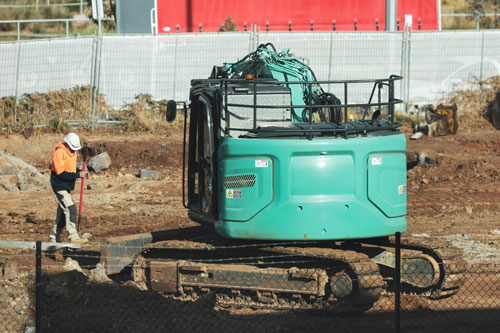
It’s easy to forget just how many blind spots an excavator has, especially when you’ve worked around them for years. But the truth is, visibility from the cab can be limited, and assuming the excavator operator can see you is a risk you just don’t need to take. Miscommunication between operators and ground crew is one of the most common factors in preventable site incidents, so ensuring that nobody becomes complacent when it comes to what the operator can or cannot see is a must.
Establish exclusion zones with physical barriers wherever possible and make it clear that no one enters unless they’ve got confirmation from the operator. Two-way radios or simple hand signals are effective warning devices and methods of communication to make sure everyone stays in sync. And when it’s time for someone to enter a hazard zone — like the slew radius — the machine should be stopped, controls disengaged, and the operator’s hands off the levers.
We get it—mornings on-site are busy. But skipping your daily pre-start inspection is a shortcut that could come back to bite you. Buckets and quick hitches endure a lot of wear and tear, and even minor issues can escalate quickly if left unchecked.
Build a proper pre-start routine and stick to it. Check the general condition of your bucket and hitch, inspect welds and wear points, and make sure the attachment is fully secured before use. If you’re running a quick coupler, perform a connection test to make sure the hitch is engaged. It’s five minutes of your day that could prevent a serious failure during machine operation, and it’s always worth it.
We’re not just here to build buckets, we’re here to make your excavator safer, smarter and better suited to the work you do every day. Whether you’re after a new attachment, a custom solution, or just honest advice from people who know their gear, we’re here to help.
At Hogan Engineering, we’ve been helping businesses and operators of all shapes and sizes get the most out of their machines for decades. With an extensive range of excavator attachments, from excavator buckets of all shapes and sizes to auger heads, lifting eyes, and more, we make it easy to choose the right attachments for your projects. Plus, with the ability to customise attachments to your specific needs, you’ll always have the right tool for the job when you choose Hogan Engineering.
Contact us and speak with a member of our team to find out how we can help with your next project.
Posted by Hogan Accounts in Uncategorized on February 20th, 2025
Attachments for excavators have come a long way since the early days of basic digging tools. From simple buckets to high-tech, multifunctional attachments, today’s excavators are more versatile and efficient than ever. But how did we get here? Let’s take a look at the evolution of excavator attachments and explore why modern designs have become essential on job sites across Australia.

When excavators first rolled onto worksites in the 1800s, they were steam-powered and came with a single, straightforward tool: the digging bucket. These early machines, like William Otis’ steam shovel, revolutionised digging but were limited in their capabilities. The bucket was the go-to attachment, designed to move soil and little else. If the task required something more specialised, like breaking rock or moving debris, operators had to rely on manual labour or entirely different heavy equipment.
The invention of hydraulic systems in the late 19th century marked the major turning point for excavators. Hydraulics allowed operators to control attachments with far more precision, giving rise to new tools that could handle more demanding tasks. Suddenly, buckets weren’t the only option. Attachments like hydraulic breakers, rippers and concrete crushers began appearing on worksites, making it easier to break through tough ground or demolish concrete structures.
With hydraulic technology came tilt and rotating attachments, giving operators more flexibility and reducing the need to reposition the machine constantly. This increased efficiency, saved fuel, and extended the life of the excavator by minimising unnecessary stress on its components.

As the construction industry grew, so did the need for specialised tools. Different jobs required different attachments, and manufacturers responded by developing a wide range of options:
This diversification gave operators the ability to switch freely between different tasks without having to switch machines entirely. For example, if you’re removing tree stumps one day and loading debris the next, all you need to do is swap out the attachment rather than bringing in entirely new equipment and repositioning everything on the site.
At Hogan Engineering, we have a comprehensive range of excavator attachments that allow you to tackle your construction projects with confidence. With everything from excavator buckets to lifting eyes, drum wheels, excavator grabs, sieve buckets and more, our range is perfect for construction, demolition and recycling applications in equal measure.
Efficiency is king in modern construction, and that’s where multi-purpose attachments come in. Attachments like tilt buckets, rotating grapples, and hydraulic thumbs allow operators to handle multiple tasks with one tool. These attachments save time, reduce wear and tear from constant attachment changes, and improve job site productivity.
For example, a tilt bucket can be used for grading, trenching, and backfilling without the need to swap tools between tasks. This flexibility is particularly valuable for smaller operators who might not have the budget for a full arsenal of attachments, and need to make the most out of the attachments they have at hand.

The latest wave of innovation in excavator attachments comes from the integration of smart technology. The most recent generation of modern attachments frequently come equipped with sensors that track wear, monitor performance, and even provide real-time feedback to operators. For instance, some buckets now feature load sensors that alert operators when they’re reaching the attachment’s capacity, preventing equipment damage and enhancing safety.
Telematics systems have also changed the game. These systems can track an excavator’s fuel consumption, workload, and attachment usage, helping business owners make data-driven decisions to ensure optimal performance across their projects. If you’re curious about how you can save fuel on-site, you might find our article on excavator fuel consumption helpful.
So, why are today’s excavator attachments superior to their predecessors? Here are a few key reasons:
Looking ahead, the evolution is far from over. Innovations like fully automated quick-hitch systems, AI-driven digging assistance, and even electric-powered attachments are on the horizon. These advancements promise even greater efficiency, sustainability, and safety for operators.
At Hogan Engineering, we’ve been helping businesses and operators of all shapes and sizes get the most out of their machines for decades. With an extensive range of excavator attachments, as well as the ability to customise attachments to your specific needs, we make it easy to choose the right attachments for your projects and get the most out of your machines. Contact us today to discuss your needs with a member of our team!
Posted by Hogan Accounts in Uncategorized on February 18th, 2025
Excavator fuel consumption can eat into your bottom line fast, but with the right approach, you can cut down on costs without sacrificing performance. Whether you’re running a single digger or managing a full fleet, smart fuel-saving techniques help keep your machines working efficiently and your fuel bill under control. Plus, with an excavator fuel consumption calculator, you can track exactly where your fuel is going and find ways to improve. Let’s talk about how you can get the most out of every drop.
But before you dive in, make sure to explore our range of excavator attachments – they could be just what you need to get the most out of your machinery.
Fuel is one of the biggest operating costs on a construction site, and with prices constantly shifting, keeping an eye on consumption is critical. Running inefficiently doesn’t just burn through more diesel—it puts unnecessary strain on your machines, leading to higher maintenance costs and potential breakdowns. Plus, with sustainability becoming a bigger focus across the industry, increasing your fuel economy is a win-win for both your budget and your environmental impact.

You don’t need a brand-new machine to improve fuel efficiency—just a few simple changes in how you operate and maintain your excavators can make a massive difference to your fuel consumption rate.
We’ve all seen it—machines left running while the operator takes a break, grabs materials, or waits for the next task. But excessive idling is a silent killer for fuel efficiency. Letting an excavator sit there burning diesel without doing any work is like throwing money out the window. Train your team to shut the engine off when it’s not in use, and if your machine has an auto-idle function, make sure it’s switched on.
Hard and fast movements might seem like the quickest way to get a job done, but they burn through fuel and put extra wear on your excavator. The smoother and more controlled the operation, the less strain on the hydraulics and engine. Encourage operators to ease into movements, avoid unnecessary revving, and work within the machine’s optimal power range when they’re operating heavy machinery.
Most modern excavators come with multiple power modes, and running in high-power mode when it’s not needed is a guaranteed way to waste fuel. If your machine has an eco-mode, use it for lighter tasks—it’s designed to reduce fuel consumption without cutting performance.
A poorly planned site leads to a lot of unnecessary movement, which means more fuel burned. If your excavator is constantly repositioning or tracking long distances between tasks, it’s costing you money. Taking the time to organise a more efficient workflow—like keeping materials close to the work area—can go a long way in reducing unnecessary fuel usage.
Blunt bucket teeth or worn-out attachments make your excavator work harder than it should. If you’re digging with dull edges, your machine needs more power to break through material, which increases fuel consumption. Regularly inspecting and maintaining attachments ensures you’re not overworking your equipment unnecessarily.

A well-maintained machine runs more efficiently—there’s no way around it. Even the best fuel-saving habits won’t do much if your excavator isn’t in top condition. Here are some regular maintenance tasks you can do to help reduce your fuel consumption.
Dirty air and fuel filters choke up the engine, forcing it to work harder and burn more fuel. Checking and replacing them regularly keeps everything running smoothly and helps maintain optimal fuel efficiency.
Under-inflated tyres or loose tracks create unnecessary drag, making your excavator work harder to move. Regular checks on track tension and tyre pressure help reduce rolling resistance and improve overall efficiency.
Your excavator’s hydraulic system plays a big role in how efficiently it runs. Low hydraulic fluid levels, leaks, or contamination force the system to work harder, increasing fuel use. Regular inspections can catch issues early before they start draining your efficiency.

Want to see where your fuel is really going? An excavator fuel consumption calculator can give you a clear picture of your fuel efficiency. It’s a simple tool that helps track usage and identify areas for improvement.
Here’s how to calculate your fuel consumption:
1. Track Fuel Usage – Log how much fuel your excavator uses over a set period (e.g., per day or per project).
2. Record Machine Hours – Note how many hours the machine was running.
3. Do the Maths – Divide the total fuel used by the hours worked to get an average consumption rate (litres per hour).
This data helps you spot patterns, make informed decisions, and adjust operations to get better efficiency. Many modern excavators also have built-in telematics that automatically track fuel use, making it even easier to keep an eye on consumption.
Cutting down on excavator fuel consumption isn’t about slowing down the job—it’s about working smarter. A few small changes to how you operate, maintain, and plan your worksite can lead to serious savings over time. And with an excavator fuel consumption calculator, you can track your improvements and make sure every litre of fuel is working as hard as possible.
At Hogan Engineering, we’ve been helping businesses and operators of all shapes and sizes get the most out of their machines for decades. With an extensive range of excavator attachments, as well as the ability to customise attachments to your specific needs, we make it easy to get the most out of your machines. Contact us today to discuss your needs with a member of our team!
Posted by Hogan Accounts in Uncategorized on January 22nd, 2025
Construction equipment safety is essential for keeping your projects on track and your team safe. Skipping crucial safety checks can lead to equipment failures, costly delays, and increased risks on-site. But by following a detailed equipment safety checklist, you can avoid these pitfalls, maintain smooth operations, and ensure your project stays on schedule.
In this article, we’ll offer our top safety tips for the construction industry and explore ways that you can keep your workers safe and your projects on-time and on-budget.
Equipment safety is more than just a box-ticking exercise, it’s about creating a safe, efficient work environment that keeps your team protected and your machinery performing at its best. Whether it’s a small hydraulic leak or worn-out excavator attachments, ignoring minor issues can endanger your team, lead to significant downtime and disrupt project timelines. A proactive approach to safety reduces risks, lowers maintenance costs, and ensures every work day runs smoothly, no matter what happens.

To get the most out of your machinery, it’s essential to include the following in your daily safety routine:
Start every day with a thorough inspection of your equipment. Look for leaks, cracks, loose bolts, or any visible signs of wear and tear. Catching small issues early prevents them from becoming costly problems that jeopardise the safety of your construction site and the progress of your project.
Hydraulic systems power almost all of the heavy equipment on a construction site, so keeping them in excellent condition is non-negotiable. Check fluid levels, inspect hoses for leaks or cracks, and have your operators monitor system performance throughout the day. Unchecked hydraulic issues can lead to serious downtime and present a major risk to your crew if you have a hydraulic system failure.
From backup alarms and seatbelts to fire extinguishers, safety features should always be present and in good working condition. Skipping this step can compromise the well-being of your crew and lead to compliance violations.
Your excavator buckets, rippers, and other attachments work hard every day and inevitably get worn down. Make it a habit to inspect them for signs of damage, such as worn edges, loose bolts, or cracks. Well-maintained attachments not only perform better but also last longer, helping to save you money.
Ensure your machine’s lights, alarms, and controls are functioning as they should. Malfunctions in these systems can pose serious risks, especially on busy worksites.

Beyond the basics, there are several steps you can take to create a safer and more efficient worksite:
Taking a few minutes each morning to inspect equipment and check fluid levels, clean components, and assess key systems can save hours of downtime later. Consistent care is the cornerstone of heavy construction equipment safety.
Proper personal protective equipment (PPE) is essential for any site, but well-trained operators are your first line of defence against accidents and equipment damage. Ensure your team knows how to operate machinery safely, spot early warning signs of issues or risks, and handle emergency situations.
Every job site has unique challenges, whether it’s rough terrain, confined spaces, or heavy foot traffic. Tailor your equipment usage to the specific environment to minimise risks and maximise efficiency – doing so will ensure you and your team stay safe.
Regular professional servicing helps you avoid unexpected breakdowns and keeps your equipment running like new. Preventive maintenance is a small investment compared to the cost of replacing major components or dealing with downtime as a result of damaged equipment.
Modern tools like GPS trackers and equipment monitoring systems can provide real-time insights into performance, helping you optimise usage of your equipment and stay ahead of potential problems before they have a chance to develop.

Even with the best practices in place, challenges can arise. Here’s how to handle them effectively:
Minor issues like a loose hydraulic hose or worn attachment can snowball into major setbacks if ignored. Regular inspections and immediate repairs are key to keeping your schedule on track.
Equip your heavy machinery with mirrors, cameras, or sensors to improve visibility, especially in tight or busy worksites. Additionally, make sure your other workers are wearing hi-vis clothing so that your operators can see them clearly. This small addition can prevent accidents and protect your team.
Foster a culture where operators feel empowered to report issues, follow safety protocols, and prioritise safety, both for themselves and for ground workers. Open communication leads to better outcomes for everyone on-site.
By prioritising construction equipment safety and implementing a solid equipment safety checklist, you’re not only protecting your team but also ensuring your projects stay on track and within budget.
At Hogan Engineering, we’ve been helping businesses and operators of all shapes and sizes get the most out of their machines for decades. With an extensive range of excavator attachments, as well as the ability to customise attachments to your specific needs, we make it easy to get the most out of your machines. Contact us today to discuss your needs with a member of our team!
Posted by Hogan Accounts in Uncategorized on January 22nd, 2025
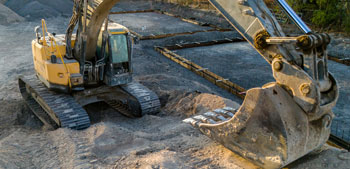
Excavator bucket maintenance is more than just another item on your to-do list—it’s what keeps your projects running smoothly, saves you money, and helps you avoid downtime. Excavator buckets cop a beating every day, tackling everything from abrasive rock to stubborn clay. Without proper care, wear and tear can creep in, slowing you down and hitting your wallet harder than it needs to.
Let’s dig into how you can keep your excavator buckets in top-notch condition, reduce damage, and get the most out of your gear by following a proper maintenance schedule.
Your excavator bucket isn’t just a tool—it’s the backbone of your operation. Whether you’re breaking up ground, clearing sites, or moving material, that bucket works as hard as you do. But over time, constant contact with rocks, gravel, and debris wears it down and can even compromise the bucket’s structural integrity. A neglected bucket can lead to slower digging, higher fuel consumption, and even job site delays.
Proper excavator bucket maintenance means less downtime, fewer costly repairs, and a smoother workflow. And let’s face it, nobody wants to replace a bucket sooner than they have to.
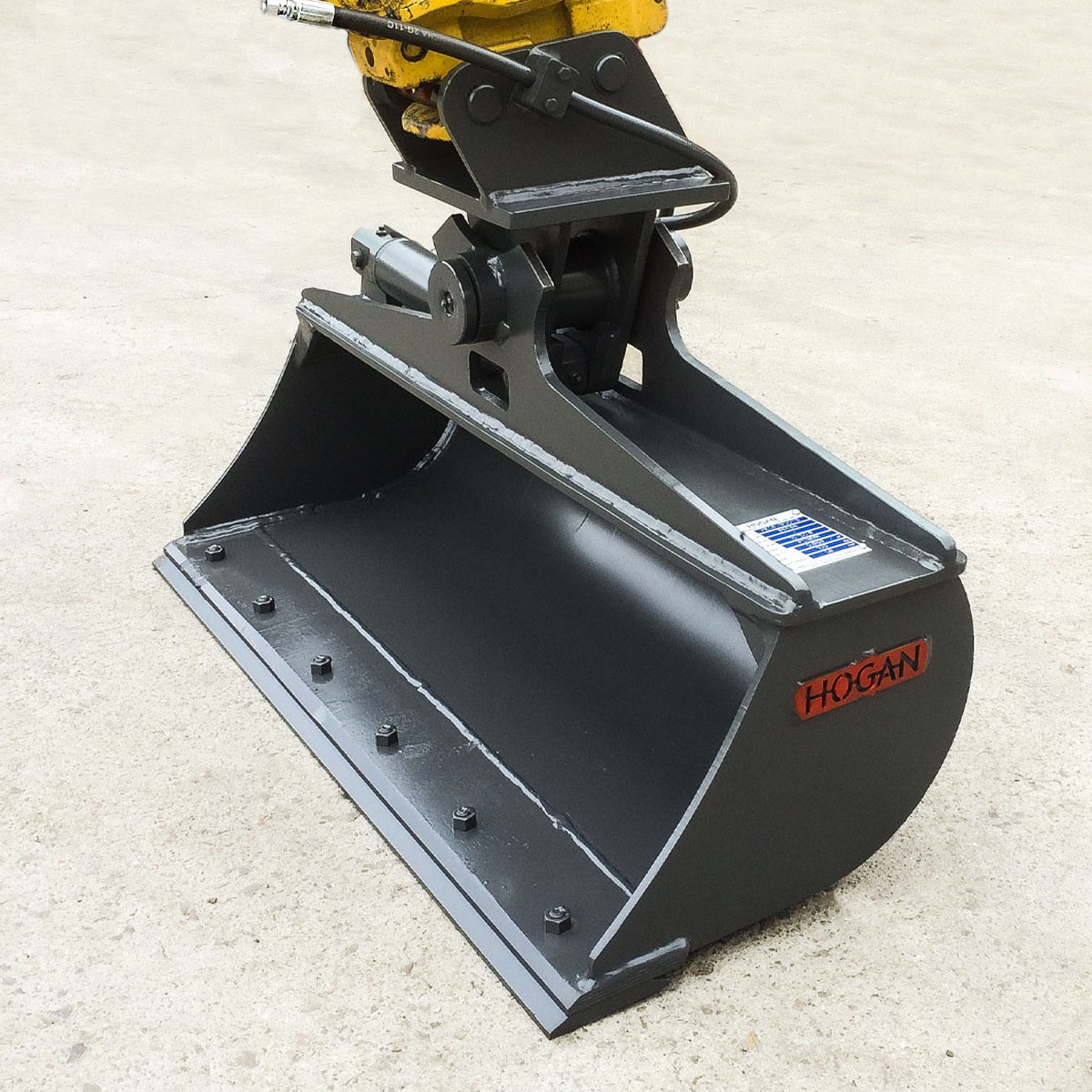
Picking the right bucket for the task at hand is step one in reducing wear and tear. Different buckets are built for different jobs, and using the wrong one can wear them out fast or even damage your excavator.
For example:
If you’re unsure, take a moment to consider the task and choose the bucket that’s designed to handle it. You’ll save yourself a headache later and extend the service life of your buckets.
Routine inspections before and after each use can go a long way in catching early signs of wear or damage. Look out for cracks, loose bolts, bent teeth, or signs of thinning metal. If you spot any issues, address them immediately to prevent further damage.
Keeping the bucket clean is equally important. Dirt, mud, and debris can accelerate wear and cause rust, especially in the cutting edges and joints. After every shift, take a few minutes to thoroughly clean your bucket, paying close attention to areas prone to buildup.
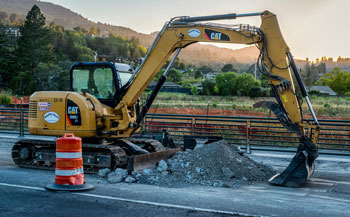
How you use your bucket can seriously impact its lifespan. Here are a few preventive routine maintenance tips to help you avoid excessive bucket wear and keep things running smoothly:
Small changes in how you operate can save you big in the long run.
Investing in wear protection is like putting armour on your bucket. Options include:
These additions may require an upfront investment, but they pay dividends by significantly reducing repair costs and downtime.
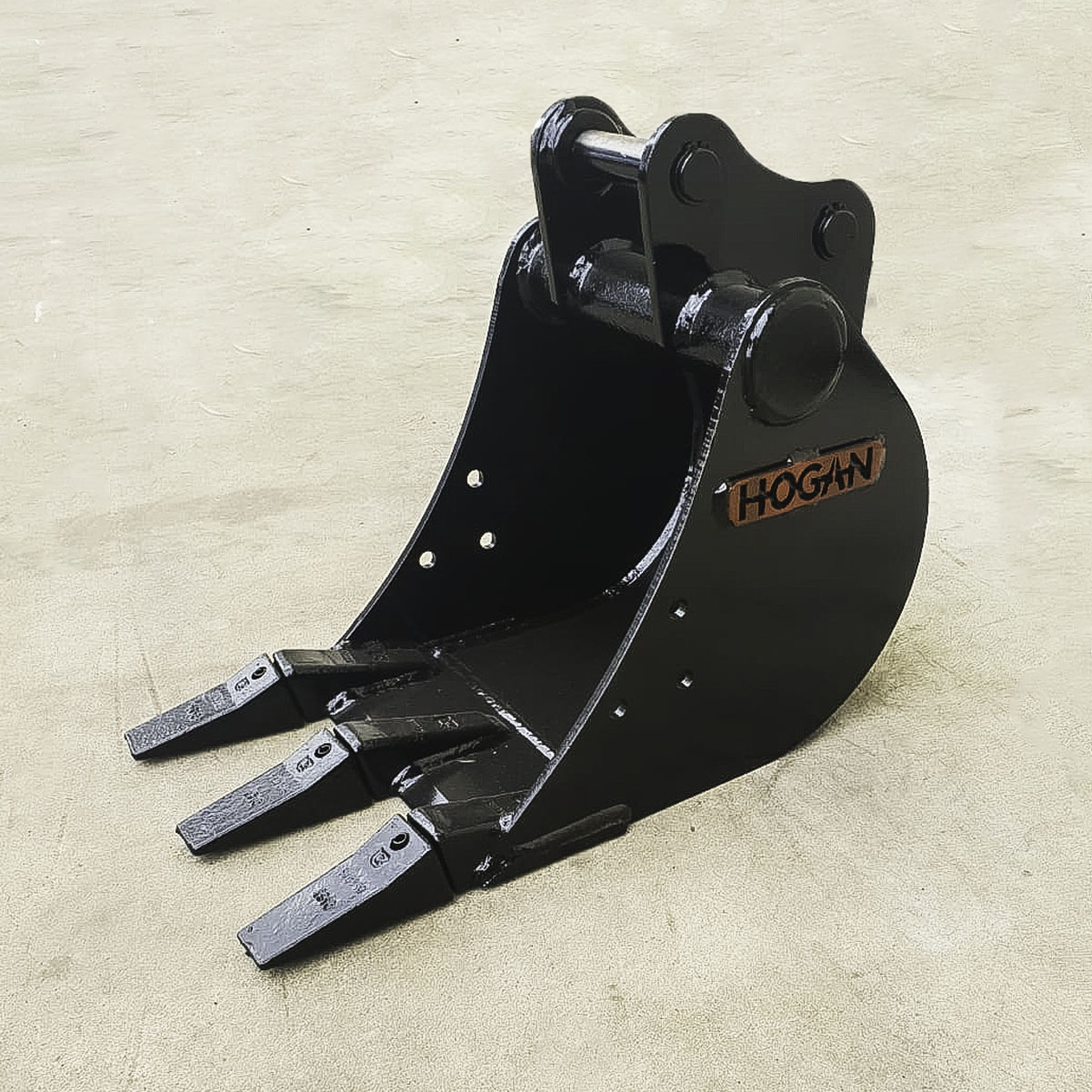
Even with consistent, regular maintenance, certain components—such as bucket teeth—will eventually wear out. Swapping out worn teeth keeps your bucket performing at its best and protects the rest of the structure. If you notice dull, bent, or broken teeth, replace them immediately to avoid overstraining the bucket or excavator.
Similarly, watch for signs of structural fatigue, such as cracks or thinning walls. Catching these issues early saves you from bigger problems down the line.
When the day is done, make sure your bucket is stored properly. Leaving it out in the elements can cause rust and corrosion, especially in wet or humid conditions. Keep it clean and dry, and if you can’t store it under cover, use a protective tarp or cover to shield it from the weather.
By sticking to these simple but effective maintenance tips, you’ll keep your excavator bucket in peak condition, avoid unnecessary costs, and stay ahead of the game. After all, a well-maintained bucket means a well-oiled operation—and that’s something everyone can get behind.
At Hogan Engineering, we’ve been helping businesses and operators of all shapes and sizes get the most out of their machines for decades. With an extensive range of excavator buckets, as well as the ability to customise attachments to your specific needs, we make it easy to get the most out of your machines. Contact us today to discuss your needs with a member of our team!
Posted by Genesis Cagula in Uncategorized on December 11th, 2024

Earthmoving attachments are at the heart of any job site, tackling the heavy lifting, digging, and breaking that keep your projects on schedule. But when attachments wear out prematurely or break down unexpectedly, it can bring progress to a halt, leading to frustrating delays and costly repairs.
The good news? With the right care and maintenance practices, you can significantly extend the lifespan of your earthmoving attachments, protect your investment, and keep your work running smoothly.
Let’s dive into practical ways to maximise the durability and efficiency of your attachments while saving time and money in the long run.
The first step in extending the life of your attachments is to understand their specific roles and capabilities, as not all earthmoving attachments are built for the same tasks. For instance, grapples and clamshell buckets excel at picking up and sorting materials like rocks or debris, while augers are the go-to tool for drilling precise holes for footings or utilities. Using the wrong attachment for a task—like attempting to break through concrete with a standard bucket—can lead to excessive strain, reduced performance, and even permanent damage.

Beyond understanding their uses, it’s also important to respect each attachment’s capacity and design. Overloading a bucket or exceeding the weight limit of a hydraulic hammer doesn’t just reduce its effectiveness but can also weaken the attachment’s structural integrity over time. By choosing the right attachment for the job and using it within its limits, you’ll not only achieve better results but also protect your equipment from unnecessary wear.
Just as your excavator requires regular upkeep, your attachments need consistent care to stay in top condition. A good maintenance routine should cover every stage of use, from pre-operation checks to post-use cleaning and storage. Before starting any job, take the time to inspect your attachment for visible damage. Look for cracks, worn teeth, or loose bolts, and address any issues before they escalate. A secure connection between the attachment and your excavator is crucial, as an improperly fastened attachment can cause accidents or damage to both the tool and the machine.
During operation, lubrication is key to minimising friction and ensuring smooth performance. Regularly greasing pivot points and pins reduces wear and extends the lifespan of moving parts. After the job is done, make it a habit to thoroughly clean your attachments. Dirt, debris, and moisture can cause rust and corrosion if left unchecked, so use a pressure washer to remove any buildup before it causes problems.
Proper storage is equally important—attachments should be parked on a level surface and kept sheltered from extreme weather conditions to prevent unnecessary damage.
While basic maintenance keeps your attachments running, refining how you care for them can significantly boost their durability and performance. For instance, respecting the weight limits of your bucket or grapple not only protects the attachment but also ensures that your excavator operates safely and efficiently. Additionally, using proper digging angles and minimising unnecessary contact with abrasive surfaces like concrete or rock can reduce stress and wear on the attachment’s structure.

Another essential step is scheduling regular professional inspections. While daily checks can catch visible wear and tear, some issues require the trained eye of a technician. Professional inspections can uncover hidden problems, such as hairline cracks or hydraulic leaks, which could escalate into costly repairs if left untreated. Sticking to the manufacturer’s recommended inspection schedule ensures that your attachments stay in peak condition and reduces the likelihood of unexpected downtime.
Even the most durable equipment can be damaged by improper use, which is why the condition of your attachments starts with well-trained operators. Skilled operators understand how to use attachments efficiently, avoid overworking them, and can apply the correct techniques to reduce strain on your attachments and machinery. For example, operating with smooth, controlled movements rather than abrupt motions can minimise wear on the attachment and improve overall performance.
Ongoing training also ensures that your team stays up to date with best practices and new technologies. As equipment evolves, so do the methods for using it effectively. Regular training sessions or refresher courses can keep your operators sharp and help you get the most out of your attachments.

When it comes to earthmoving attachments, quality matters. Investing in durable, well-designed attachments may come with a higher upfront cost, but it’s a decision that pays off in the long term. High-quality attachments are built to withstand tough conditions, deliver consistent performance, and require fewer repairs over time. At Hogan Engineering, our range of excavator attachments is designed with durability in mind, using robust materials and precision engineering to ensure they stand up to the demands of any job.
Whether you’re in need of a general-purpose bucket, a heavy-duty ripper, or a root rake, choosing reliable attachments can make all the difference in keeping your equipment running smoothly.
Even when your attachments aren’t in use, how you store them can affect their longevity. Parking them on uneven or unstable surfaces can lead to unnecessary wear, while prolonged exposure to harsh weather can cause rust and corrosion. To protect your equipment, always store attachments on a level surface in a covered area. If possible, use storage racks for smaller parts or specialised tools to keep everything organised and easily accessible.
Before storing an attachment, make sure it’s clean and free of debris. Dirt and moisture left on the surface can cause long-term damage, so a quick rinse and dry can go a long way. For added protection, consider applying a rust-prevention spray to metal surfaces, especially if the attachment will be stored and go unused for an extended period.
Tired of attachments that aren’t built for the job? At Hogan Engineering, we’ve been helping businesses and operators of all shapes and sizes get the most out of their machines for decades. With an extensive range of high quality excavator attachments, as well as the ability to customise attachments to your specific needs, we make it easy to get the most out of your machines. Contact us today to discuss your next attachment purchase!
Posted by Genesis Cagula in Uncategorized on December 10th, 2024

Excavator rippers are the ultimate attachment for tough jobs, designed to tackle tasks that would overwhelm standard digging equipment. Whether you’re breaking through compacted soil, frozen ground, or stubborn concrete, these robust attachments harness the full force of your excavator to cut through with precision and power. Built for durability and efficiency, rippers are an essential tool for many industries.
In this article, we’ll explore what makes excavator rippers indispensable, their top applications, how to maintain them, and what to expect in terms of longevity.
An excavator ripper is a powerful attachment designed to break up tough materials that other tools struggle to handle. With a single, reinforced steel tooth, a ripper focuses the force of your excavator into one concentrated point, making it the go-to solution for cutting through hard ground, rock, and other dense surfaces that a standard bucket would struggle to penetrate.
By using a ripper attachment to break up material before switching to a digging bucket, you can protect your excavator’s other attachments from excessive wear and extend their lifespan. This combination of precision and protection makes rippers invaluable for a wide range of tasks.
Rippers shine in situations that require power and precision. Here’s how they can transform your operations:
When faced with compacted soil, weathered rock, or frost-hardened earth, a ripper attachment can be your best ally. Its single sharp tooth focuses the excavator’s force into a small area, breaking up materials that standard buckets can’t penetrate effectively. This makes rippers indispensable in construction, quarrying, and agricultural applications, particularly during colder months or on rocky terrain.
Tree stumps, especially those with deep or extensive root systems, are notoriously difficult to remove. Excavator rippers simplify the process by breaking up the soil around the stump and leveraging their curved design to loosen and lift the stump out of the ground. Landscapers, forestry workers, and civil contractors regularly rely on rippers to clear land efficiently.

Rippers excel at tearing through concrete slabs, asphalt, and other dense materials without damaging your excavator’s other attachments. This makes them ideal for demolition projects, such as removing old driveways, patios, or roadways. Their durability and focused power ensure efficient removal, preserving the longevity of your other tools.
Excavator rippers are particularly effective at dislodging rocks and boulders that are embedded in the ground. By breaking up the surrounding soil, the ripper makes it easier to lift or remove these obstructions. This capability is essential in road construction, mining, and other earthmoving tasks where uneven terrain can halt progress.
The lifespan of an excavator ripper can be surprisingly long when it’s built to last and looked after properly. A high-quality ripper, crafted from tough, high-strength steel, is designed to handle the roughest jobs, and with regular maintenance, it can keep performing for years. However, like any hardworking tool, how long it lasts depends on how it’s treated.
The ripper tooth is typically the first part to show wear and tear. After all, it’s the business end of the attachment, taking on the full force of breaking through compacted soil, rock, or frozen ground. Over time, you might notice it becoming blunt or worn down, which is your cue to replace it. Swapping out the tooth when needed can breathe new life into your ripper, keeping it sharp and efficient for the tasks ahead.
Of course, the conditions you work in make a big difference too. Regularly tackling rocky terrain or other high-impact jobs will naturally wear out a ripper faster than occasional use in softer ground. The good news? A little extra care—like cleaning off dirt after use, lubricating moving parts, and performing regular inspections—goes a long way in extending its lifespan. Think of it as protecting your investment so it’s ready to tackle whatever comes next.
Replacing your excavator ripper (or parts of it) doesn’t have to be a guessing game. There are tell-tale signs that it’s time for a change, and catching them early can save you a lot of hassle down the road.
Start by keeping an eye on the ripper tooth. If it’s looking dull, chipped, or outright damaged, it’s not going to be as effective at tearing through tough materials. This means more strain on your excavator and potentially slower progress on your job. Luckily, replacing the tooth is straightforward and can make your ripper feel as good as new.

Don’t forget about the shank either. Cracks or damage here can be more serious and might compromise the structural integrity of the attachment. Regularly inspecting the shank—especially around high-stress points—is crucial for spotting small issues before they turn into big problems.
Another clue that your ripper might need attention is if it’s struggling with tasks it used to handle with ease. If breaking through compact ground or frozen soil takes longer or requires more effort, it’s time to give it a thorough check-up.
The key is to make inspections a regular part of your routine. A quick once-over after each job and professional assessments as needed can help you catch wear and tear early. Replacing worn components not only keeps your ripper working like a champ but also protects your excavator and ensures every job gets done safely and efficiently.
When you stay on top of maintenance, you’re not just extending the life of your ripper—you’re ensuring it’s always ready to perform when you need it most. After all, a well-cared-for ripper is a reliable partner on the toughest jobs.
Proper maintenance is essential to maximise the lifespan and performance of your ripper. Here’s how to keep it in peak condition:
Excavator rippers are an essential addition to any heavy machinery arsenal, providing the power and precision needed to handle challenging tasks. Whether you’re breaking up frozen ground, removing tree stumps, or demolishing concrete, these attachments are built to perform. With proper care and regular maintenance, a quality ripper will serve you well for years, saving time and protecting your other equipment.
At Hogan Engineering, we’ve been helping businesses and operators of all shapes and sizes get the most out of their machines for decades. With an extensive range of excavator rippers, as well as the ability to customise attachments to your specific needs, we make it easy to get the most out of your machines. Contact us today to discuss your needs with a member of our team!
Posted by Hogan Accounts in Uncategorized on November 26th, 2024

Excavator courses in Australia are crucial for anyone looking to operate this heavy machinery, whether personally or professionally. Operating excavators requires a blend of skill, precision, and the right certifications. But why do you need one, and with so many courses out there, how do you decide which one is right for you? In this guide, we’ll explore the licensing requirements for operating excavators, the various excavator training courses available in Australia, and the types of machines you can operate with various qualifications.
In Australia, operating heavy machinery like excavators generally requires holding a relevant licence or certification, especially in a professional setting. The specifics can vary by state, but typically, having an excavator licence is crucial to ensure the operator is equipped with the necessary safety and operational knowledge. For personal use on private property without commercial intent, licensing requirements may be less stringent; however, completing an excavator training course is still highly recommended for safety and efficiency.

Those looking to become certified excavator operators have a variety of courses available that cater to different levels of expertise and types of excavation work. These courses provide essential knowledge about operating the machinery and also cover safety practices, maintenance, and more.
When selecting an excavator course, consider the following:

Holding a valid excavator licence or certification goes beyond mere compliance with safety regulations—it’s a crucial step in building a successful career in the construction and mining industries. Here are several reasons why acquiring an excavator licence is indispensable:
Learning to operate an excavator safely isn’t just about following rules—it’s about keeping you and your team safe every day. In your course, you’ll dive into essential safety practices, emergency procedures, and how to assess risks effectively. This knowledge ensures that you can handle heavy machinery confidently and safely, making you a reliable part of any construction crew.
Holding an excavator licence proves you’ve put in the work and mastered your craft. It tells employers you’re serious about your profession and have the skills they need. This recognition is crucial when you’re eyeing the best projects around, especially those with top firms or government contracts that require certified pros.
With your licence in hand, you’ll see doors open in your career. Many construction jobs require a certified operator for compliance and insurance reasons, and having that licence puts you at the front of the line for these opportunities. Whether it’s building new homes or laying the foundations of skyscrapers, your licence is your (excavator) ticket to exciting projects.
In many regions, operating heavy machinery without a proper licence is illegal. Being certified ensures that you adhere to the legal standards set by local, state, or federal authorities, protecting you from potential fines and legal issues.
Your excavator licence is just the beginning. From here, you can specialise further—think demolition, mining, or road construction. Each new certification adds another layer to your expertise and another boost to your paycheque.
When you go the extra mile to get licensed, it shows you’re committed to your career and keen on keeping your skills sharp. Employers notice this dedication, and it can set you apart in a competitive field.

Understanding excavator attachments is also a key component of training. Attachments such as buckets, hammer heads, and augers extend the functionality of excavators and allow operators to tackle a wide range of tasks. Each attachment requires specific knowledge and skills to operate efficiently, often covered in more advanced or specialised training programs.
By completing an excavator course and obtaining the necessary certifications, operators are equipped to handle these powerful machines safely and effectively, ensuring they can meet the demands of any site while maintaining high safety standards.
Are you ready to master the machine? Explore our range of excavator attachments. At Hogan Engineering, we’ve been helping businesses and operators of all shapes and sizes get the most out of their machines for decades. With an extensive range of attachments, as well as the ability to customise attachments to your specific needs, we make it easy to get the most out of your machines. Contact us today to discuss your next attachment purchase!
Posted by Hogan Accounts in Uncategorized on November 26th, 2024
Your excavator is the backbone of so many jobs, from construction to landscaping and everything in between. But are you really getting the most out of it? Boosting your excavator’s efficiency isn’t just about saving time—it’s about lowering costs, improving safety, and making your workday a whole lot smoother. Whether you’re a seasoned operator or just starting out, these tips will help you unlock your excavator’s full potential.

Before jumping into improvements, take a step back and assess how your excavator is performing right now. Knowing where you stand is the first step to making meaningful changes. Here’s how to start:
Not all jobs are created equal, and different factors can impact how well your excavator performs.
Is it soft, sandy soil or hard-packed clay? Different types of ground call for different techniques—and sometimes different attachments.
Using a machine that’s too big or too small for the task at hand can waste time and energy. Make sure you’ve matched your excavator to the job.
The right bucket can make or break a job. A grading bucket is great for smoothing out surfaces, but for deep trenches, a trenching bucket will save you time and effort.
Rain, mud, or uneven terrain can slow things down. A little site prep can go a long way toward keeping things moving smoothly.
How you operate your excavator plays a huge role in how efficient it is. A few small changes to your digging techniques can make a world of difference:

Sometimes, the secret to better performance is as simple as adding the right attachment. Here are a few to consider:

Sieve buckets are perfect for sorting and handling loose material such as rocks and gravel.
A well-organised site is key to keeping everything running smoothly. Here’s how to set yourself up for success:
Even the best equipment can’t run itself. Well-trained operators make all the difference when it comes to maximising efficiency. Here’s how to keep your team sharp:
Getting the most out of your excavator doesn’t have to be complicated. By assessing your machine’s current performance, refining your digging techniques, using the right attachments, and investing in skilled operators, you’ll see noticeable improvements in efficiency—and your bottom line.
Ready to level up your excavator game? At Hogan Engineering, we’ve been helping businesses and operators of all shapes and sizes get the most out of their machines for decades. With an extensive range of attachments, as well as the ability to customise attachments to your specific needs, we make it easy to get the most out of your machines. Contact us today to discuss your next attachment purchase!
Posted by Hogan Accounts in Uncategorized on June 11th, 2024
When buying excavator buckets, understanding the different types available and what to consider in terms of performance, durability, and suitability for specific tasks is crucial. Excavator buckets are essential tools for a wide range of earthmoving and construction tasks, from digging to grading. Here’s what you should consider when selecting the right excavator bucket for your needs.
Tilt buckets are highly versatile and can be pivoted 45 degrees to either side. This flexibility allows for more precise grading, sloping, and landscaping. They are particularly useful in shaping drainage channels and angled trenches. The tilting mechanism also enhances the bucket’s ability to work in restricted spaces, making it ideal for road maintenance and civil engineering projects where precision is paramount.
At Hogan Engineering, all of our tilt buckets are constructed from high-grade Bisalloy steels to ensure their durability and strength, while the dual cylinder action and machined cylinder stops are designed to prevent damage, ensuring longevity and reduced maintenance costs.


Sieve buckets, with their design featuring interlocking ribs, are perfect for sorting and grading applications. They are used to remove debris such as rocks, bricks, and other large waste from soil, making them essential in site preparation and cleanup. Sieve buckets are also used in recycling operations to separate different materials, thereby helping businesses reduce tipping fees and reuse valuable materials.
These buckets are ideal for demolition, sorting through topsoil, or clearing debris.
As the name suggests, GP buckets are the all-rounders of the bucket world. Designed for digging, loading, and grading, these buckets are often used as trenching buckets and are suited for a variety of materials including earth, gravel, and sand. They are most commonly used in general construction, road work, and light-duty mining operations.
Their robust design ensures they can handle a range of tasks without compromising the machine’s performance. Hogan’s GP buckets are engineered to match your machine’s performance without compromising safety or efficiency.


Specifically designed for handling wet and muddy materials, mud buckets have a wide and smooth edge, which makes them ideal for clean-up and levelling work in landscaping and site preparation. They are also used in dam and pond projects where large volumes of fluid materials need to be moved efficiently. These buckets come with replaceable bolt-on edges and are ideal for landscaping and site preparation.
Gummy buckets are tailored for lighter and finer materials such as loam, clay, and sand. They are especially useful in utility work and landscaping where precision and minimal disruption to the surrounding area are required. Their design allows for smooth bucket loading and dumping, making them effective for precision tasks like sculpting and grading.

Excavator buckets come in various sizes to suit different machines and applications. The size typically depends on the excavator’s operating weight, with buckets designed to optimise the machine’s digging and lifting capabilities. It’s essential to match the bucket size with your excavator’s specifications to maximise efficiency and prevent mechanical strain.

Regarding interchangeability, most excavator buckets are designed to fit specific makes and models through standardised pin sizes and spacing. However, some customisation may be required to ensure perfect compatibility with your equipment.
The teeth on an excavator bucket play a crucial role in digging efficiency and the longevity of the bucket. They help break through hard material and reduce wear on the bucket itself. Teeth should be appropriate for the ground condition and type of work, with options ranging from sharp, penetrating teeth for hard ground to blunt, wider teeth for volume loading of softer materials.
Some buckets, such as mud buckets or tilt buckets, have a long blade along the edge of the bucket in place of teeth. These blades allow them to collect loads of material more easily and also aid in tasks such as shaping or smoothing banks, trenches and terraces. If you’re unsure of the best methods to selecting buckets based on their teeth in relation to the job, check out our user guide on Choosing the Right Excavator Teeth.
The average life expectancy of an excavator bucket depends on the construction quality, the material type, and the intensity of use. Regular maintenance and timely replacement of worn-out parts, like teeth and edges, can extend a bucket’s lifespan significantly.
Calculating the capacity of an excavator bucket involves measuring the internal volume that can be filled with materials. This is typically listed by the manufacturer but can also be calculated by taking measurements of the bucket’s interior and applying the formula for the volume of a box (length x width x height) for rectangular buckets or using more specific geometric calculations for other shapes.
Choosing the right excavator bucket involves considering various factors, from the type of work and the material characteristics to the excavator’s size and compatibility. By understanding these elements and carefully selecting the appropriate bucket type and size, businesses can significantly enhance their operational efficiency and reduce costs in the long term.
At Hogan Engineering, we’ve been designing and manufacturing excavator buckets since 1947. With an extensive range of heavy-duty buckets to suit the needs of every machine, large or small, we can help you unlock productivity on your job site.
Explore our range of high-quality excavator buckets today, and be sure to check out our other excavator attachments to make the most of your machines! For more information, or to enquire about custom attachments, contact us to speak to a member of our helpful and knowledgeable team.
Posted by Hogan Accounts in Uncategorized on July 15th, 2021
It is important not to overlook your choice of Ground Engaging Tools (GET) – or teeth – for your buckets. Depending on the application of your bucket and the material you are working with, the type of teeth you choose to use can affect your bucket’s efficiency and longevity.
Often you are limited to the GET systems that manufacturers run on their buckets, but most systems have teeth that are compatible on the same adaptors, for example, being able to change chisel teeth over to tiger teeth. At Hogan, you have the flexibility to choose from a range of GET systems to implement onto your buckets, which is an advantage of working directly with a manufacturer.
The teeth you choose for your bucket should not be an afterthought; it is key in maintaining the performance and endurance of your bucket and machine.
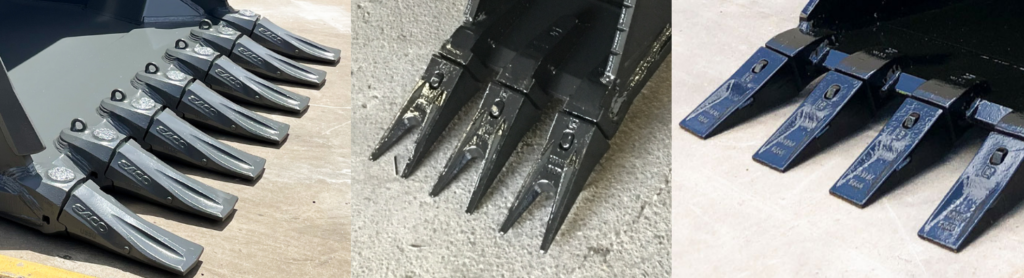
When it comes to selecting the teeth that best suit your application, it is important to keep the following factors in mind:
While the shape and design are important factors, the material with which the teeth and adaptors are cast from as well as the casting process play a big role in determining their wear life and strength.
Different GET systems can be manufactured in different ways, so do your research before selecting the system to run on your buckets to ensure that they will last or that they are easily replaceable.
The wear life of excavator teeth is affected by the material they are being used in. Some materials, such as sand, are extremely abrasive and may wear your teeth quicker than rock or dirt.
Chisel teeth are most suited to loading and material handling because of their larger wear surface. Tiger or twin tiger teeth are more suited for applications requiring high penetration and impact on compacted ground, but will wear faster because they are composed of less material.
Using the wrong kind of teeth to penetrate hard and compact ground can cause your machine to use more power than necessary, creating stress on different parts on the machine and using up more fuel.
Tiger teeth are ideal for digging and trenching because of their pointed shape, allowing for easy penetration of hard ground. It is important to remember, however, that they are made of less material than chisel teeth and will therefore wear faster and may need replacing more often.
If your application does not require penetration of compact ground, chisel or blade teeth might be the better option for you as they will wear longer and can deliver a smooth bottom to the hole or trench.
Not sure what teeth to run on your new buckets? With decades of experience in the earthmoving industry, Hogan Engineering are always happy to give you obligation-free advice when it comes to decisions that need to be made regarding your buckets. From choosing your teeth to adjusting bucket designs, we are always happy to help.
LAST UPDATED: July 16th, 2021
Posted by Hogan Accounts in Uncategorized on May 6th, 2021
This year’s Diesel Dirt & Turf Expo was a huge success! After a year of uncertainty, it was great finally being able to see all of our friends in the industry and catch up. It was a fantastic 3-day event and we enjoyed every minute.
Unfortunately we decided to pull out of the show this year due to the uncertainty of COVID-19, but it was great to see the turnout this year and we can’t wait to be apart of it again in 2022! Even though we didn’t have stand, we are always big supporters of the event so we made sure to still attend. It was fantastic seeing everyone in the industry, most of whom we hadn’t seen in over a year!
It was also great to walk around and see all the support for Hogan Attachments at dealers’ stands! Our buckets were spotted at:
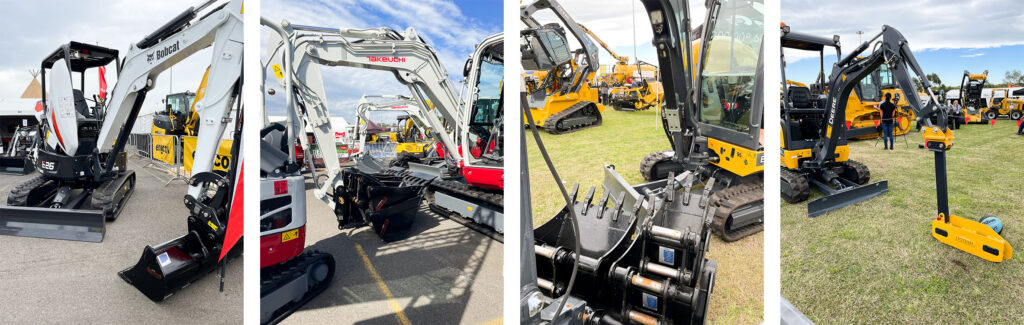
Seeing everyone who was able to come from interstate was especially nice after not having been able to travel for a long time. It was exciting to begin to see life go back to normal! We are looking forward to be able to attend more events like this in the coming months.
LAST UPDATED: May 6th, 2021
Posted by Hogan Accounts in Uncategorized on February 19th, 2021
Back in November 2020, Civil Construction Hire tasked us with building them a 2000mm wide rock bucket and a ripper to suit their brand new PC490. Most of our customers may know us for our mini-excavator range of attachments, but we also have the capabilities to build larger buckets and attachments to suit medium and heavy excavators.
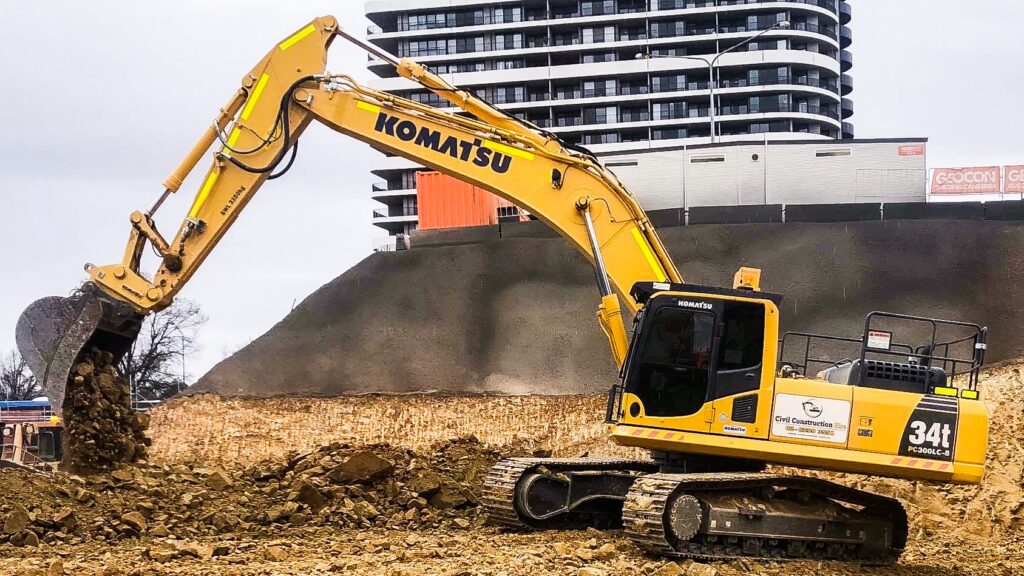
Civil Construction Hire are an equipment rental business and have been loyal Hogan customers for over 7 years. Over their entire fleet of machines, we have supplied them over 250 buckets and attachments and continue to do so.
Being a local manufacturer means that we are able to make any changes necessary along the way to suit each customer’s needs, which is something Civil Construction Hire really value. We worked overtime to make sure that these attachments were ready for work and delivered on time. For instance, the ripper point took more than 40kg of welding wire and over 12 hours to secure!
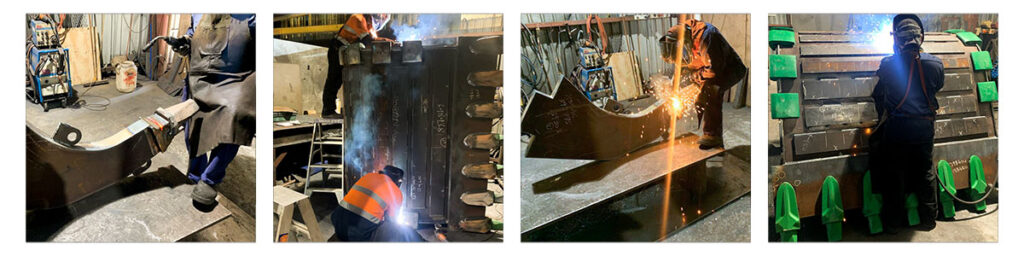
And when the attachments were finally completed, we even drove for over 3 hours to deliver them to Queanbeyan. Committed to ensuring nothing went wrong, we decided to drive the bucket and ripper to Civil Construction Hire ourselves.
We take pride in our attachments and are willing to go over and above to ensure that all orders, big or small, are made to the highest standards and are delivered to the customer safely. Quality and customer service are important to us – it’s not just about buckets. We work hard and go beyond just manufacturing and supplying.
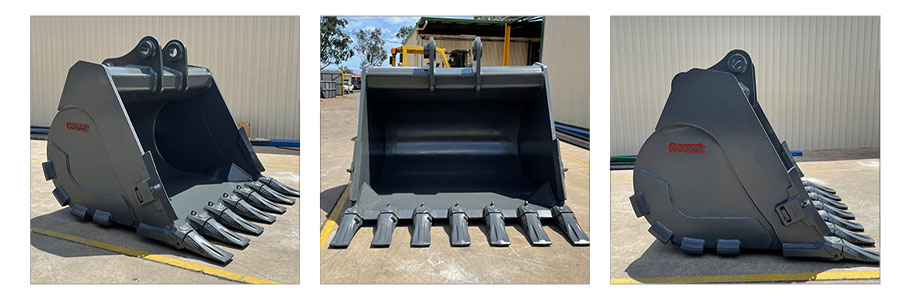
Need some attachments made up? Big or small, we’ve got you covered! Call us on 1300 4 HOGAN to enquire now.
LAST UPDATED: 19th February, 2021
Posted by Hogan Accounts in Uncategorized on February 15th, 2021
Join the team of an Australian owned and operated family business that has been servicing the manufacturing and construction industry for over 70 years. We pride ourselves on our strong reputation for integrity, strong standards and a commitment to our customers.
We are currently seeking a 1st Class Welder to fabricate and weld our earthmoving attachments. This position is full-time and is a 38-hour week, with an early close on Fridays.
A pre-employment welding test and medical assessment is required.
Other responsibilities include:
An attractive salary package will be offered to the successful applicant.
Current COVID-19 guidelines are in place and must be adhered to as sanitisers, etc. are supplied.
Overseas, student or work visa applicants need not apply.
We are within the Windsor/Hawkesbury area with onsite parking and a 500 metre walk to the closest train station.
If you are interested in the position, please direct your resume to admin@hoganengineering.com.au, or call us at 02 4587 8899 for more information.
LAST UPDATED: 15th February 2021
Posted by Hogan Accounts in Uncategorized on November 17th, 2020
There are so many excavator bucket types out there that choosing the right one can be difficult, especially if it’s been a while since you last upgraded. While you might be tempted to wing it and get the bucket you think is right, there is an actual process to selecting an excavator bucket that will ensure you get the right fit, allowing you to maximise the productivity and efficiency of your machine and help you keep maintenance costs low.
In this guide, we’ll walk you through the best way to choose an excavator bucket that will fit the needs of your machine and your business, focusing on three key aspects: the size of your machine, the type of work you use it for, and your budget.
The size of bucket you can buy is often limited by the tonnage and specifications of your excavator. Larger widths and capacities are often only approved for use on larger machines as these same buckets on a smaller machine would make it unsafe to work with.
We often think that bigger is better when it comes to buying buckets, but a bucket that is too big for your machine can actually reduce your excavator’s performance, leading to excessive fuel consumption and premature wear. All of this can lead you to unnecessary maintenance and repair costs that could have been avoided.
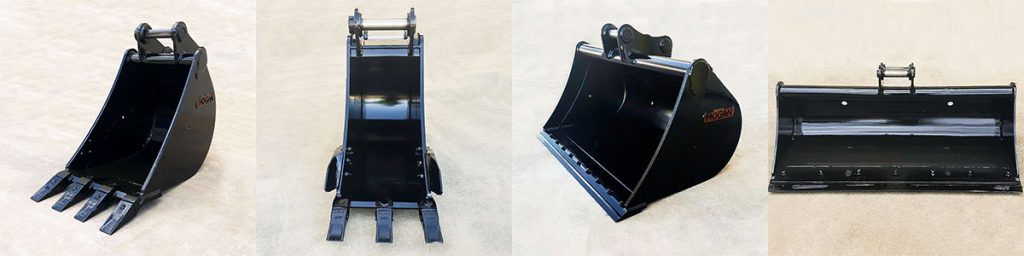
That’s why it’s essential to ensure that your excavator and bucket are compatible. The first way to do this is to check your manufacturer’s recommendations for bucket size based on the excavator’s operating weight and hydraulic capacity. Once you know these, you can ensure the bucket’s weight doesn’t exceed the lifting capabilities of your excavator, as an oversized bucket can strain the hydraulics and reduce handling precision.
Different types of buckets are designed for different purposes. Using a bucket for the wrong purpose can cause the bucket to wear faster or cause your machine to use unnecessary fuel and power. It is important to choose a bucket that is designed to do the job you need it for to avoid this. Below are some of the most common types of buckets and what they’re used for.
A general purpose (GP) bucket, or digging bucket, is the most common kind of bucket you will see. The teeth on these buckets are designed to be able to penetrate a variety of materials, making them ideal for a wide range of general excavating jobs. GP buckets are also able to be customised with different types of teeth, removable side cutters and service blade adaptors, making them suitable for a majority of excavation work.


Mud buckets, or clean-up buckets, are usually wider and have more capacity than GP buckets, and have a flat cutting edge rather than teeth which makes them ideal for loading and moving around softer material. Using this kind of bucket to try and dig up hard or dense material will slow you down and use excess machine power, as they lack the ability to penetrate the ground.
Tilt buckets (sometimes called grading buckets) are designed with two hydraulic cylinders, enabling them to tilt up to 45 degrees to each side. This flexibility and precision makes tilt buckets particularly useful for projects that involve detailed grading, contouring, or landscaping, and they will often be used in large civil projects where precise grading and earth shaping is required.

For specific jobs like rock handling or trench digging, specialised buckets such as rock, trenching, or skeleton buckets are available. These are designed to handle the unique challenges of certain materials and tasks.
At the end of the day, we’re all trying to work within a budget, and oftentimes balancing that budget is one of the most challenging parts of buying an excavator bucket. Although it can be tempting to buy the cheapest bucket available, that’s not always the most sensible move. Here are some things to consider when it comes to your budget that will help you make the right choice.
Excavator buckets are specially engineered pieces of equipment, and while it’s easy to balk at their initial cost, try and remember the value and longevity they offer. So long as it’s used and maintained properly, a quality bucket should last years, and will be used across dozens of projects and hundreds or even thousands of machine hours.
If you’ve got your eye on a specific bucket but are worried about the price, trying breaking it down on a cost-per-use basis: you’ll quickly realise how much value you get out of your investment.
Another thing to keep in mind is that an investment in the right bucket is an investment in efficiency. A smaller, cheaper bucket may be easier on the wallet up initially, but it could end up costing you far more in lost efficiency. A larger, more suitably sized bucket might be more expensive but cheaper in the long run by reducing fuel consumption and man hours by minimising the number of cycles needed to complete a task.
Additionally, while specialty buckets may cost more upfront, their durability and task-specific enhancements will help you get through jobs faster and can reduce long-term operating costs by minimising wear and repair needs.
Choosing the right excavator bucket can make or break the efficiency of your operation. At Hogan Engineering, we’ve been helping businesses and operators of all shapes and sizes get the most out of their machines for decades. With an extensive range of excavator buckets and attachments, as well as the ability to customise attachments to your specific needs, we make it easy to find the perfect bucket for your excavator. Contact us today to discuss your next attachment purchase!
Posted by Hogan Accounts in Uncategorized on October 26th, 2020
Every machine is different! Pin centres and ear widths often differ between machine makes and models, so most of the time excavator buckets are not universal.
Sometimes, there are exceptions with machines that happen to have the same (or very similar) pickup specs. Also, depending on the brand and style of your hitch, you may be able to pick up buckets with a range of pin centres.
However, nothing is more accurate than measuring for yourself.
When it comes to making attachments to suit your excavator, there are 3 important measurements needed:
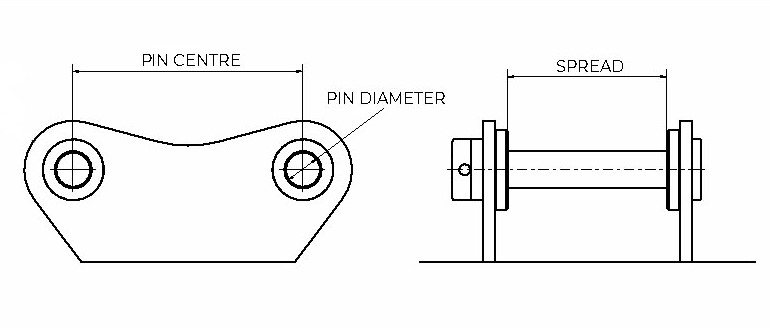
Most machines have standard pickup measurements, but we always recommend measuring for yourself to ensure that the attachment you purchase will fit on your machine. Be wary when buying second-hand machines, as hitches can be made to suit different pickups than the machine’s standard.
To make the attachment buying process as smooth as possible, we offer as much assistance as we can before we fabricate your attachments to ensure that they fit onto your machine. We keep a large database of the standard pickup specifications of a wide range of machines.
For those who live locally, you can also bring us your machine or any existing attachments that fit onto your machine and we will happily measure it up for you to ensure accurate measurements.
If coming to see us isn’t an option, we are always happy to speak to you over the phone and correspond via email as much as is required to guarantee that we have the right measurements. We want to get it right the first time! Enquire here to get in touch with our team, or call 1300 4 HOGAN (1300 446 426).
We also keep a record of all the jobs that have come through our factory. If you already own a Hogan attachment, simply provide us with the serial number and we can make it to the same specifications. The serial number is unique to every attachment and can be found on the ID tag or stamped into the attachment itself.
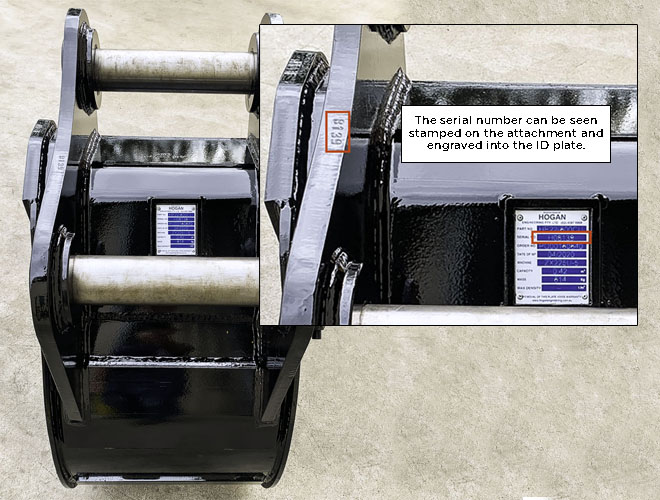
Already have your measurements? Shop now at https://hoganengineering.com.au/attachments and buy directly online!
Posted by Hogan Accounts in Uncategorized on September 30th, 2020
Ever since the pandemic put the majority of the world into lockdown, many have been asking the same question: when will we get back to normal?
The truth is, we may never get back to the “normal” that we knew before COVID-19. The world has had to make lifestyle changes in order to adapt, and many have come to realise that some of these changes have actually improved the way we live.
Restrictions on face-to-face interaction forced many small businesses to reinvent themselves online, such as giving virtual tours, setting up online stores, using remote working tools or providing delivery. While at first some struggled with the transition, many have seen this open up opportunities to reach more customers than ever before.

At Hogan, we began working on giving customers the ability to shop our attachment range online and place orders through our website for our smaller range. Though this is something we did to cater to the pandemic, we are definitely taking steps to improve this and make it a permanent fixture in our business. Being online has allowed us to reach people who would have never had the chance reach just face-to-face.
“[The future] will have lots of the good stuff from the old world that we love and know, and want to protect. But there will be a whole bunch of new things, new opportunity, new behaviours, customers learning to behave in a different way. Much of that will stay forever.”
Shayne Elliott, CEO of ANZ (to LinkedIn)
What changes have you had to make since the pandemic hit?
Have any of them had positive effects on your life?
Do you think these will stay once the pandemic is over?
Posted by Hogan Accounts in Uncategorized on August 30th, 2020
Earlier in the year, the government announced some economic stimulus packages to help out Australian small businesses. This included the raising of the Instant Asset Write Off threshold from $30K to $150K for businesses with an annual turnover of less than $500 million. Initially ending on June 30, the scheme has been extended until December 31, 2020.
What does this mean for you?
The scheme means that any new assets you purchase up to the value of $150K (excluding GST) between now and December 31st, 2020 are eligible for an immediate tax deduction. Eligible purchases include new vehicles, machines, and even attachments too.
Why not consider purchasing yourself a set of Hogan attachments to take advantage of this offer? You can now shop our range directly on our site: www.hoganengineering.com.au/attachments
For more information on this package, visit the Australian Tax Office website: www.ato.gov.au
Posted by admin in Uncategorized on April 3rd, 2020
Here at Hogan Engineering, your health and safety has always been a priority.
As you know, the outbreak of the Coronavirus (COVID-19) has affected the way many businesses have been operating, so we wanted to update you on the standards we have enforced to ensure that you, our customers, as well as our staff, remain safe and healthy.
How does this affect you?
The main change is that we are no longer permitting sales over the counter. Any payments that need to be made are to be done over the phone.
For those picking up orders and needing payment, we will only take contactless card payments or payments over the phone. Direct debit is also available.
While we know that in order to operate we will require to have some contact with you, we are continuing to take steps to ensure the cleanliness of our workplace, including:
We also request for employees to stay home if they are feeling unwell, even if the symptoms are mild.
The guidelines the government outline are changing week to week, so to continue receiving updates on how this affect us, sign up to our mailing list and follow us on our Facebook and Instagram.
While it is unclear how long this situation will last, we encourage you to stay informed, take any necessary precautions, look out for your friends and family, and ultimately to take care of yourself.
Posted by admin in Uncategorized on April 3rd, 2020
It’s now easier than ever for you to find the products you need!
Whether you’re looking for attachments to suit your machine tonnage, or a specific product type, simply go to the Attachments page and filter out the products you don’t need with this function on the left.

Make selections in one or more of the fields, and the products that correlate will pop up. Click on the images to learn more about the product.
We’ve also simplified the ordering process with us!
No need for emails and phone calls if you know exactly what you want! Just enter the details we need from you on the page of the product you’re after and click ‘Buy Now’ to add it to your cart.
Not sure about it yet, and need more information? Click ‘Get a Quote’ instead, enter your contact details and comments, and we’ll get back to you with the information you need.
Thank you for continuing to support Hogan Engineering. Our customers have always been our priority, and we hope that these updates to our website make your experience with us a smoother and easier process.