
Understanding How Australian Environments Impact Attachment Performance
Australian work sites throw challenges at excavator attachments that most imported gear was never designed to handle, from the sticky, saturated clays of the wet tropics to the punishing abrasion of coastal sand and the brutal impact resistance required in hard rock country.
This guide is designed to support contractors choosing excavator attachments for Australian conditions, helping them select the right materials and design features for the environments where they’ll actually work. Getting the specification right means your attachments pay for themselves through years of reliable service, while getting it wrong means replacing worn-out equipment while your mates are still running the gear they bought at the same time.
Why Attachment Selection Matters in Extreme Australian Conditions
Working in Australian conditions means excavator attachments are exposed to excessive wear from abrasive soils, constant moisture, salt corrosion and heavy impact loads, often attacking multiple components at once. An attachment correctly specified for European topsoil might last five years overseas, yet fail in as little as eighteen months when pushed into Brisbane clay or Pilbara rock. The difference is not operator error or bad luck, but a fundamental mismatch between what the attachment was designed to withstand and what Australian conditions actually deliver.
Choosing the right steel grade makes the difference between cutting edges that last two years versus six months in the same application, while proper wear component selection determines whether you’re swapping bolt-on edges as planned maintenance or paying for structural welding because the bucket floor wore through. Australian-made attachments consistently outperform imports because manufacturers design for the environment from the engineering phase, understanding that Queensland clay sticks harder than European soil, that Pilbara iron ore grinds away steel faster than most overseas rock, and that coastal salt corrodes pins at rates inland operators wouldn’t believe.
The initial cost difference between a budget import and a properly specified Australian-made attachment typically runs on 20 to 30% while the service life difference in demanding conditions often exceeds 200 to 300%. This makes the calculation straightforward when you factor in replacement expenses, repair downtime, and productivity losses from poorly performing equipment.
Key Factors that Affect Attachment Performance
Several factors combine to determine how well an excavator attachment performs and how long it lasts in Australian conditions, and understanding these variables helps contractors make informed decisions about specifications rather than guessing based on purchase price or equipment manufacturers’ claims.
Soil Type and Ground Conditions
Soil characteristics drive attachment wear patterns more than any other factor with abrasive soils containing high silica content acting like sandpaper on bucket floors and cutting edges while wet, sticky clays demand smooth bucket profiles and proper drainage to prevent material buildup. Compacted ground needs aggressive tooth systems backed by adequate machine breakout force, and rocky conditions demand impact-resistant steel with heavy reinforcement at stress points where poorly designed buckets crack and fail when working with hard materials.
Machine Size and Breakout Force
Your excavator’s tonnage and breakout force determine the structural requirements for any attachment, with a 20-tonne machine generating forces that would destroy equipment designed for 5-tonne excavators. Matching attachment construction to machine capability ensures the bucket, grab, or ripper can handle the loads without premature failure, because undersized attachments wear faster while creating safety risks and oversized attachments waste fuel moving unnecessary weight around the site.
Operational Intensity
Attachments used for continuous production digging require heavier construction than those used occasionally, with a contractor running two shifts daily in a quarry needing different steel grades and reinforcement compared to someone using the same machine size a few hours weekly for landscaping projects. Higher operational intensity justifies investment in premium materials that extend service life under demanding use, while lower intensity operations might not generate enough savings to offset the premium cost.
Steel Grade and Thickness
The base steel grade determines an attachment’s resistance to abrasion, impact, and deformation through specifications including BIS400 and BIS450 Bisalloy grades, where the number indicates approximate Brinell hardness, with BIS400 offering good wear resistance for general applications and BIS450 providing higher hardness for more abrasive conditions.
Hardox is a Swedish wear-resistant steel brand with similar rating systems where Hardox 400, 450, and 500 indicate increasing hardness suited to progressively more severe abrasion, while high-tensile structural steels provide strength without maximum hardness for areas requiring impact resistance more than abrasion resistance.
At Hogan Engineering, we manufacture attachments using high-grade Bisalloy steel selected specifically for Australian conditions, though steel thickness matters as much as grade because a 6mm floor in high-wear steel might outlast a 10mm floor in soft steel, but combining proper grade with adequate thickness delivers the service life abrasive applications demand.
Wear Components and Replacement Parts
Cutting edges form the leading edge that takes primary wear from ground contact, while side cutters protect bucket walls from abrasion during digging and dumping, and teeth systems penetrate consolidated material through configurations like chisel teeth for hard ground or tiger teeth for aggressive digging in softer materials. Wear straps run along high-contact areas providing sacrificial protection, with all these essential components designed to wear out and be replaced before damage reaches the bucket’s structural steel.
We manufacture chisel tooth, tiger tooth, service blades, and bolt-on edges, along with mounting hardware, including adaptors, pin collars, roll pins, and pivot pins required for proper installation and reliable operation.
Reinforcement Design and Placement
Strategic reinforcement in high-stress areas prevents cracking that leads to expensive failures. Heel blocks reinforce the back of the bucket, where digging force concentrates, and gussets distribute stress across wider areas, rather than allowing loads to concentrate at single points. Proper gusset placement at mounting points and along bucket sides prevents stress cracks that propagate into structural failures, while double-skinning places a second steel layer over critical wear areas like bucket floors, where the top skin wears away first and provides a visible warning before the structural base layer is compromised.
Hydraulic Requirements for Powered Attachments
Tilt buckets, grabs, and other hydraulically actuated attachments require adequate flow and pressure from the excavator’s auxiliary circuit, as insufficient flow can cause slow operation and potentially damage both the attachment’s hydraulic system and the excavator’s hydraulic system through operation beyond design parameters.
Wet Tropics and High-Moisture Areas
Queensland’s wet season, the Northern Territory’s humidity, and northern New South Wales’ coastal regions create challenges that European and North American attachments weren’t designed to handle, with high moisture content in soils combining with elevated humidity and frequent rainfall to accelerate corrosion, complicate material handling, and demand specific attachment features for productive operation.
Challenges
Sticky clay soils in wet conditions cling to bucket surfaces like they’re welded on, reducing effective capacity by 20 to 30% while forcing you to spend half your time cleaning instead of moving material. The dead weight from packed clay also burns extra fuel and slows cycle times.
Moisture works its way into welds and spreads to structural components faster than operators accustomed to dry country would believe possible, while heavy rain reduces visibility and slippery footing around machines turns routine attachment changes into dangerous work.
Recommended Attachments
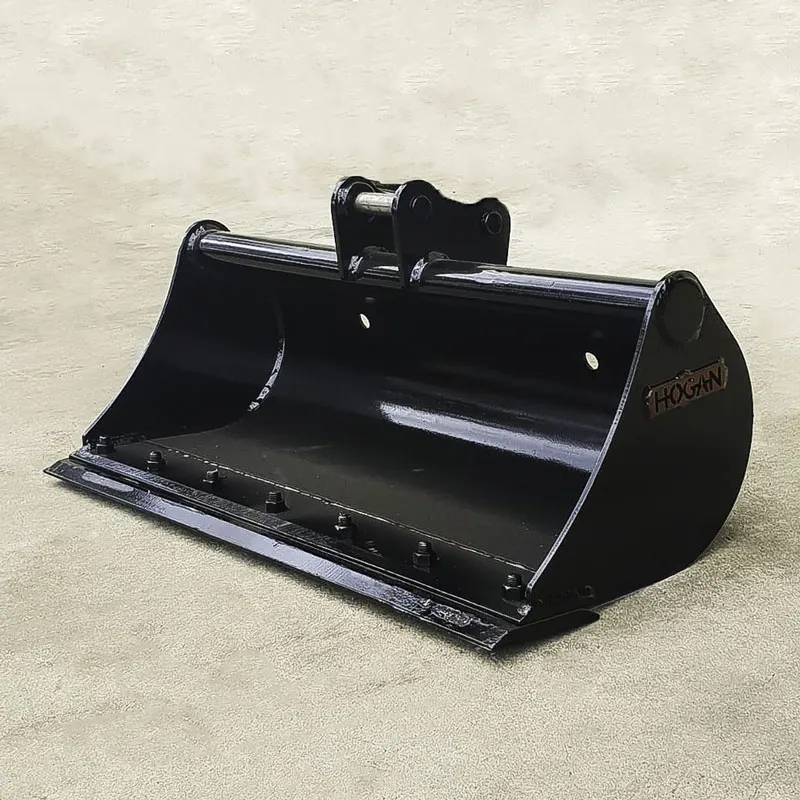
Mud buckets are built specifically for these conditions with wider profiles and shallower depth that maximise capacity for saturated soils, while smooth internal surfaces give clay fewer places to stick, and tilt buckets let you angle the bucket face to shake off clinging material, while making grading work possible even when visibility and traction aren’t ideal. Wide GP buckets with smooth edges handle general wet-weather excavation when clay isn’t completely saturated, though some operators run grading buckets with drainage holes to reduce suction despite sacrificing capacity for improved release. Selecting appropriate attachments for wet tropical conditions makes the difference between productive work and constant frustration with material buildup.
Ideal Steel Grades
High-grade Bisalloy steel offers superior structural strength while resisting corrosion more effectively than mild steel. However, nothing’s entirely immune to rust in tropical wet conditions, where better steel mainly buys you time, and BIS400-grade offers a good balance for most wet-weather work.
Steel grade alone won’t save you, though. Proper drainage design, regular cleaning, and staying ahead of corrosion before it becomes structural damage matter just as much as what the bucket’s made from. With that said, hot-dipped galvanised components do offer improved longevity on non-wearing surfaces where you can’t galvanise cutting edges that abrade away, regardless.
Reinforcements and Wear Parts
Reinforced bucket edges provide durability, but tooth design matters more in sticky conditions than most operators realise because aggressive patterns with deep pockets just give clay somewhere to pack tighter, while simpler profiles work better when adhesion is your main problem.
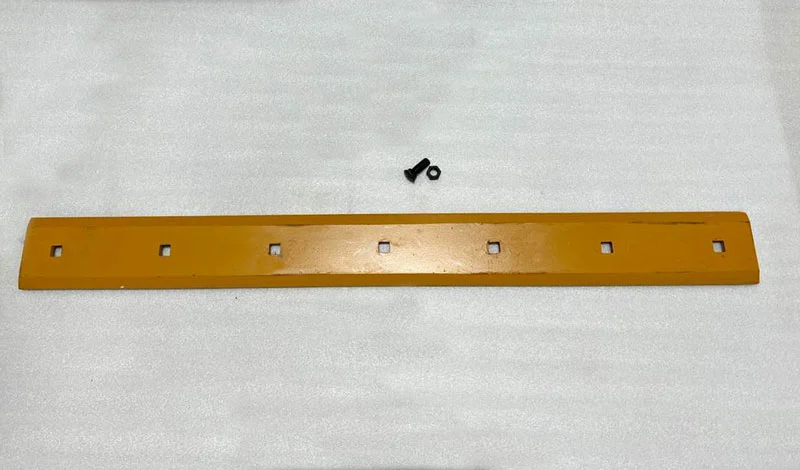
Bolt-on cutting edges let you swap worn edges in the field without welding, which matters when you’re trying to minimise the time your bucket structure spends exposed to moisture during repairs, and internal wear liners protect structural steel while creating smooth surfaces that reduce buildup. Drainage holes are a great way to reduce suction, though you will have to accept slightly reduced bucket capacity and the loss of some fines through the holes.
Operator Tips
Slow, consistent passes work better than aggressive loading in sticky clay because fast digging compacts the material tighter, and wider buckets help by spreading the volume across a wider area, making material dumping easier. Clean buckets throughout the shift rather than waiting until the end of the shift, because clay that sits and dries becomes progressively harder to remove, adding dead weight that kills productivity. Additionally, grease pins and pivot points should be cleaned more frequently than in dry conditions, as moisture washes lubricant out quickly. Store attachments under cover during idle time whenever practical, as even reducing nighttime and weekend moisture exposure can significantly slow rust progression.
Hard Rock, Granite and Basalt Regions

Western Australia’s mining operations, South Australia’s quarrying operations, and Victoria’s high country deliver some of the most punishing conditions excavator attachments face anywhere, combining severe impact loads with constant abrasion in an environment that destroys poorly specified equipment in months rather than years.
Challenges
Impact forces from rock loading stress every component from cutting edges through mounting points and into the boom structure, with each bucket load of granite or basalt delivering shock loads that crack welds on poorly designed buckets and elongate pin holes on undersized attachments. Constant abrasion grinds away bucket floors, edges, and side plates at rates higher than soil applications, depending on rock hardness.
Meanwhile, equipment in quarries and mine sites runs longer shifts with fewer breaks than general earthmoving, and multiplies stress on every component.
Recommended Attachments
Rock buckets feature heavy construction with reinforced floors, thick side walls, and aggressive tooth systems designed for penetration in consolidated material using narrower and deeper profiles than GP buckets to concentrate breakout force, while heavy-duty GP buckets with upgraded steel handle mixed conditions where you’re hitting rock but also moving softer overburden.
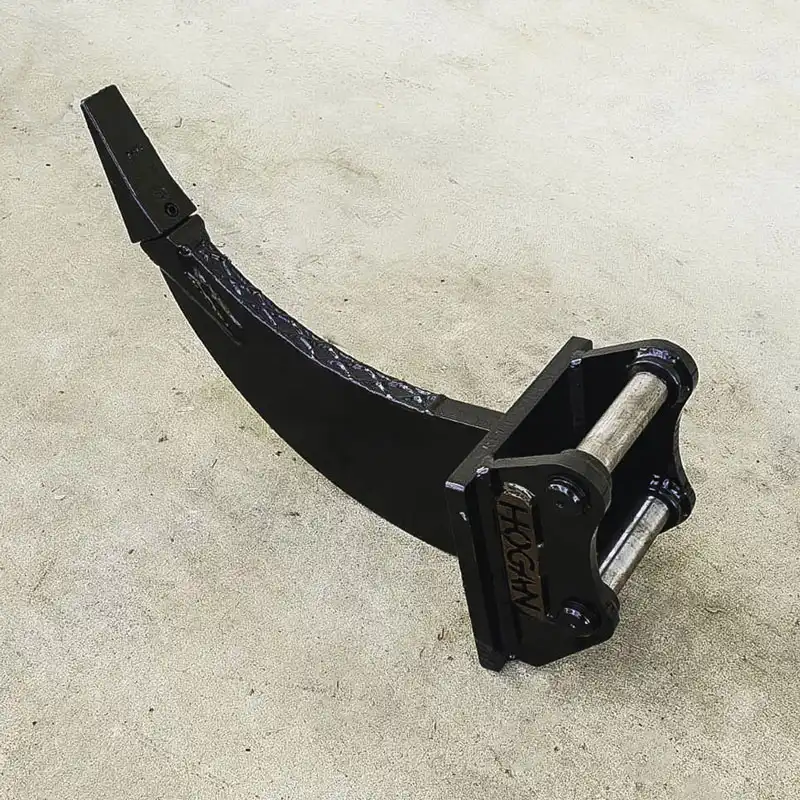
Rippers break up consolidated rock before bucket loading with the fuel and time cost paying back through dramatically reduced bucket wear and faster loading cycles, and grabs allow selective handling of blasted rock while reducing bucket wear by eliminating the digging component entirely.
Reinforced sieve buckets separate rock from fines, though rock screening demands much heavier construction than soil screening, since the mesh takes serious abuse from rock sliding across it constantly. These specialised tasks in quarrying and mining require equally specialised attachments built specifically for the conditions they’ll face.
Ideal Steel Grades
High-grade Bisalloy steel in the upper hardness range provides wear resistance for constant abrasion from hard rock, with BIS450 to BIS500 grades or equivalent Hardox 450 to 500 specifications offering the hardness needed to survive granite and basalt work. Higher hardness ratings deliver better abrasion resistance, though very hard steels become more brittle and less tolerant of impact, making rock applications a balancing act between abrasion and impact resistance.
Cutting edges need thick enough sections to allow multiple sharpenings, with 40 to 50mm thickness on larger buckets being normal rather than excessive. Hardened pins and bushings at mounting points resist the impact loads and constant articulation that rock work delivers, since standard hardware wears rapidly and creates excessive play that accelerates structural wear.
Reinforcements and Wear Parts
Double-skin bucket floors place a sacrificial wear layer over the structural base so the top skin wears through before the structural floor is compromised, and provide a warning while preventing sudden failures. Heavy side wear plates made from resistant materials protect bucket walls from abrasive side loading during rock digging and dumping. Heel blocks reinforce the back where maximum stress concentrates during digging and make this reinforcement essential rather than optional in rock work that generates higher forces than soil, while strategic gusset placement distributes stress loads, and proper design prevents stress cracks at welds and mounting holes.
Corner shrouds protect vulnerable areas where bucket floors and walls meet under concentrated stress, and high-strength tooth systems need substantial backing and mounting strength to survive impact loads when breaking hard materials, whether you’re running chisel teeth for penetration or tiger teeth for aggressive digging, with wing shrouds providing additional side protection in severe applications.
Operator Tips
Use rippers to break consolidated material before bucket loading because the productivity gain and bucket wear reduction justifies the extra pass, while attempting to dig unripped rock destroys cutting edges rapidly, and keep teeth sharp through regular inspection since blunt teeth force you to use more breakout force while increasing fuel consumption and reducing operational efficiency.
Inspect welds and wear plates frequently in rock applications, as small cracks can propagate quickly under repeated impact loading. Catching them early prevents catastrophic failures. Finally, avoid overloading buckets with oversized rocks because these extreme loads stress mounting points and machine structure beyond design limits.
Sandy, Coastal and Desert Regions

Australia’s coastlines and interior desert regions share sand as their common enemy, with beach sand, dune material, and desert fines causing severe abrasion that wears through bucket components quickly.
Challenges
Sand is highly abrasive and wears through bucket lips, floors, and side plates faster than most materials. Meanwhile, fine particles infiltrate pins and bushings past seals, entering bearing surfaces where they accelerate wear and increase friction. Coastal operations introduce salt that attacks steel surfaces and accelerates corrosion on anything it touches. Poor traction in loose sand reduces digging efficiency while causing bogging in beach or dune work. The fine particle size of the sand allows it to reach areas that clay and rock cannot, creating maintenance problems throughout the attachment.
Recommended Attachments
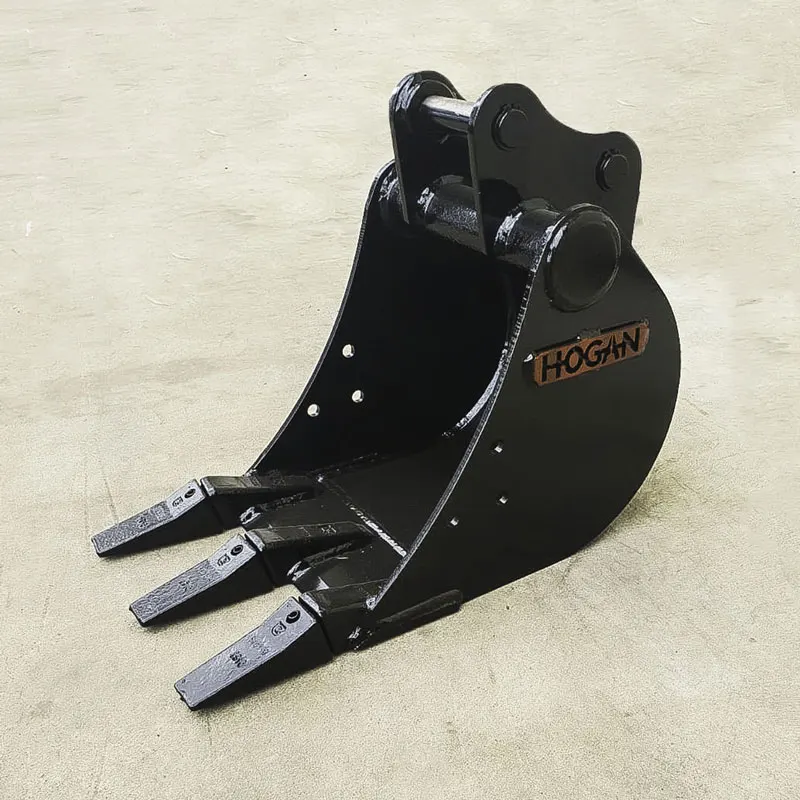
GP buckets with abrasion-resistant edges and floors handle general sand work, though you’ll want wider profiles than standard to account for sand’s low density. Sand buckets feature wide, smooth designs with high volume for handling materials efficiently across various sandy applications, making them versatile attachments for material handling tasks in coastal and desert environments. Skeleton buckets with mesh allow for screening while reducing weight for high-cycle work. In pure sand applications, lighter construction improves cycle times, as digging effort is minimal but volume is high.
Ideal Steel Grades
High-grade Bisalloy steel on cutting edges and high-wear areas provides the abrasion resistance you need, with BIS400 to BIS450 grades offering a good balance between hardness and toughness for sand applications where wear is primarily abrasion rather than impact.
For coastal work, corrosion protection is just as important as abrasion resistance, as salt accelerates corrosion more than any other factor. Regularly washing protective coatings prevents the accumulation that can cause severe damage.
Reinforcements & Wear Parts
Bolt-on cutting edges allow quick field replacement since edges wear noticeably in days in severe sand applications, and extra wear strips on floors provide sacrificial protection where floor wear can be extreme. Corrosion-resistant pins, bushings, and fittings prevent salt damage that seizes components, with stainless or coated hardware resisting salt far better than standard steel, and anti-sand sealing reduces infiltration at hinge points, though no seal stops fine sand completely.
Operator Tips
Lift cleanly rather than dragging the bucket, as scraping accelerates edge wear without improving fill. Inspect edges daily, as wear progresses rapidly and a worn edge significantly reduces efficiency while increasing fuel consumption. Store away from salt spray whenever possible, as even overnight exposure can accelerate corrosion. Additionally, covered storage can dramatically extend equipment life. Pressure wash regularly to remove sand from crevices and buildup around pins since washing removes both sand and salt before they cause expensive damage.
What and Where to Use?
If you’re unsure what attachment to use and where, this table offers a simple visual guide.
| Environment | Recommended Steel | Best Attachments | Must-Have Reinforcements | Common Fail Points |
| Wet Tropics | 400-grade treated | Mud, tilt, grading | Drainage, smooth edges | Clogging, corrosion |
| Hard Rock | Hardox 450–500 | Rock bucket, ripper | Double-skin, shrouds | Teeth, cutting edges |
| Sandy/Coastal | AR400–450 | Sand/GP bucket | Wear strips, bolt-on edges | Lip wear, corrosion |
How to Choose the Right Excavator Attachment for Your Machine
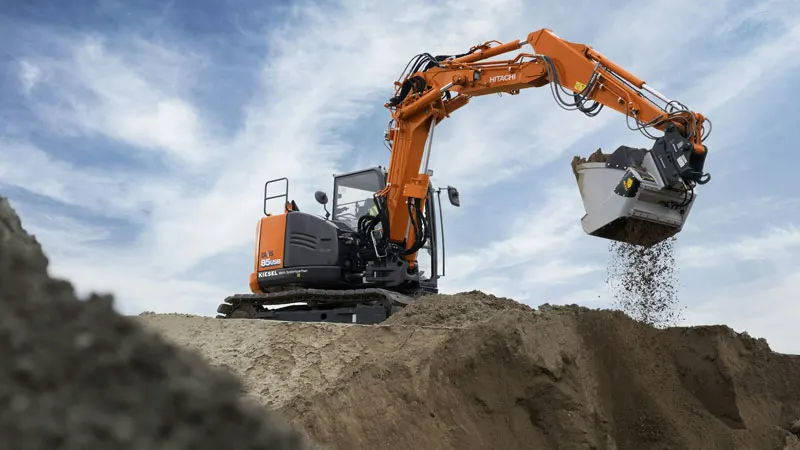
Your excavator’s breakout force and tonnage define which attachment you can run, so check your excavator model specifications and match your attachment size accordingly. Undersized gear wears out rapidly when operating beyond its design limits, while oversized gear wastes fuel moving unnecessary weight.
The width of your attachment must match your machine’s stability and lifting capacity, since too wide creates tipping risks and reduces digging depth. Consider material density when selecting attachments for capacity, as sand or wood chips require wider buckets despite a lower digging force, while clay or rock necessitate narrower profiles that concentrate breakout force.
Whether you’re digging trenches, loading trucks, or screening material, matching attachment specifications to your application ensures maximum efficiency throughout the job.
Tilt buckets, grabs, and hydraulically actuated excavator attachments require adequate auxiliary flow through the hydraulic circuit. Therefore, check your excavator’s specifications and match the flow requirements with a safety margin, as insufficient hydraulic power can cause slow operation and damage both the attachment and excavator hydraulics. Heavy-duty features and premium steel cost more upfront but pay back through extended life when you calculate your actual operational efficiency, with continuous shifts in hard conditions justifying heavy construction that pays back within a year, while occasional use in mild conditions might not justify the premium.
Australian manufacturers work closely with excavator operators to understand local conditions, and know how Brisbane clay fails buckets, how Pilbara rock destroys edges, and how coastal salt corrodes pins. This knowledge informs steel selection, reinforcement placement, and features that work in Australian conditions, rather than generic specifications adapted from overseas.
Why Australian-Made Excavator Attachments Perform Better
Australian-made attachments perform better because design decisions target local conditions from the start. Manufacturers designing for global markets optimise for average conditions worldwide, whereas we design for abrasive Western sand, sticky Queensland clay, and hard mining rock by carefully selecting the right steel grade, reinforcement, and edge configurations for those conditions.
When you need replacement or custom work, Australian manufacturing means weeks, not months, for delivery with local service and parts availability that matters when you’re on tight schedules. Import suppliers work from standard catalogues with limited options, while Australian manufacturers can modify specifications, adjust dimensions, and incorporate features that solve your specific tasks. That flexibility makes the difference between equipment that almost fits your needs and equipment built exactly for what you’re doing.
The numbers tell the story clearly. Budget imports might save 20 to 30% upfront, but Australian-made attachments routinely deliver two to three times the service life in demanding conditions, making them cheaper over the equipment’s working life when you account for replacement costs and the downtime that comes with premature failures. For a detailed analysis of why local manufacturing wins long-term, read why Aussie attachments come out on top.
Make the Right Choice for Your Conditions and Your Bottom Line
Choose attachments based on working environment, not just machine tonnage, because the right steel grade, edge design, and reinforcement differ fundamentally between wet tropics, hard rock, and coastal sand, and understanding these differences saves money over equipment life. The cheapest attachment rarely provides the best value once you account for replacement costs, downtime, and productivity losses, while proper specifications and quality construction pay back through years of service rather than months, followed by expensive replacement.
At Hogan Engineering, we’ve been manufacturing excavator attachments for Australian conditions since 1947 and understand wet tropics clay, hard rock mining, and coastal sand because we’ve built equipment that works in all of them. With high-quality attachments and excavator buckets for all applications, if you’re wondering what the right attachment is for your next job, contact us to speak with the team. They’ll be happy to make recommendations based on your environment, machine, and project requirements, and can discuss whether custom attachments are needed for your project.